

Compressed Air & Gas Dryers
Breathing Air System
Turn your plant’s compressed air into air your people can safely breathe, for as long as the job takes.
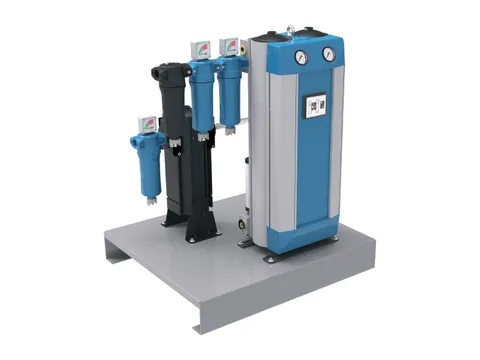
Product overview
Plant air, made safe to breathe
Our breathing air system turns ordinary compressed air into air your people can breathe through airline respirators, blast helmets, hoods and full-face masks. It removes water, oil, particles, odour and carbon monoxide to the limits of EN 12021:2014 and OSHA 29 CFR 1910.134 Grade D, and, for healthcare, the European Pharmacopoeia medical air monograph.
Air straight from a compressor carries oil aerosol and vapour, condensed water, pipe scale and whatever gases were drawn in at the intake, and an overheating oil-lubricated compressor can generate CO from its own lubricant. A worker at moderate exertion breathes roughly 19 m³ of air over an 8-hour shift, and every contaminant in it goes straight to the lungs.
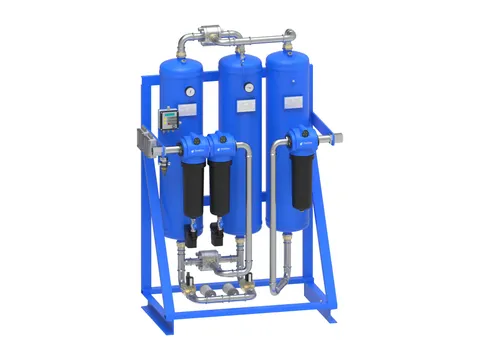
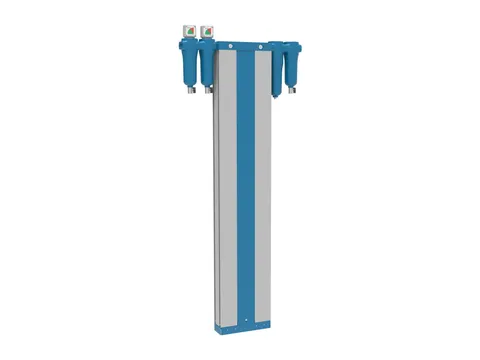
The system treats the air in a fixed sequence of coalescing filtration, adsorption drying, catalytic CO conversion, activated carbon and particulate after-filtration, and a gas monitor watches for CO continuously. Install it centrally to feed a dedicated breathing air ring main, or as a point-of-use unit beside a blast room, paint booth or asbestos removal enclosure.
- ≤ 5 ml/m³Carbon monoxide limit, EN 12021:2014
- ≤ 0.5 mg/m³Oil limit, EN 12021:2014
- −40 °CTypical pressure dew point
- ≤ 0.01 mg/m³Total oil after activated carbon, ISO 8573-1 Class 1
Benefits
The problems it solves
Plant compressed air is treated for tools and processes, not for lungs. Here is what it can do to the person wearing the respirator, and how the system stops it.
-
Carbon monoxide you can’t sense
The problem
CO has no colour, odour or taste and builds up in the blood over hours. It reaches compressed air from contaminated intake air or an overheating compressor.
How it solves it
A catalyst converts low CO concentrations to CO₂ automatically, and a continuous monitor alarms before the limit is reached, giving the wearer time to leave and switch to an escape supply.
-
Oil in the lungs
The problem
Inhaled oil droplets deposit in the airways and alveoli, and repeated exposure is associated with lipoid pneumonia.
How it solves it
Coalescing filters and activated carbon bring total oil, aerosol plus vapour, to ISO 8573-1:2010 Class 1, 0.01 mg/m³ or lower.
-
Frozen and fogged equipment
The problem
Water in a regulator or demand valve can freeze as the air expands, stopping the supply, and liquid in the facepiece fogs visors.
How it solves it
A −40 °C pressure dew point keeps hoses and regulators free of ice, even on outdoor and cold-weather jobs.
-
Masks that come off
The problem
Air that tastes or smells of oil leads workers to lift their masks, removing the protection entirely.
How it solves it
Odour-free, dry air at a steady temperature reduces the discomfort that tempts workers to remove their masks.
-
Jobs cut short
The problem
A stored air supply limits how long a task can run.
How it solves it
Breathing air flows for as long as your compressor runs, including oil-lubricated machines, and one central system can serve many respirator outlets.
-
Your legal duty
The problem
Employers carry personal legal responsibility for the quality of the air their workers breathe.
How it solves it
The system meets the contaminant limits of EN 12021, OSHA 29 CFR 1910.134 and the European Pharmacopoeia, and monitoring data and test certificates show it to inspectors and clients.
Where it’s used
Wherever your people work in air they must not breathe
Supplied air protects the wearer wherever the surrounding air carries dust, fume, vapour or worse, from a paint booth to a confined tank.
-

Spray painting and coating
Isocyanate paints in automotive refinishing and aerospace, which call for supplied-air protection in many jurisdictions.
-

Chemicals and petrochemicals
Tank cleaning, catalyst changeouts, turnarounds and entry into areas with hydrogen sulphide or solvent vapour.
-
Pharmaceuticals
Supplied-air suits for operators in potent-compound and cytotoxic suites.
-
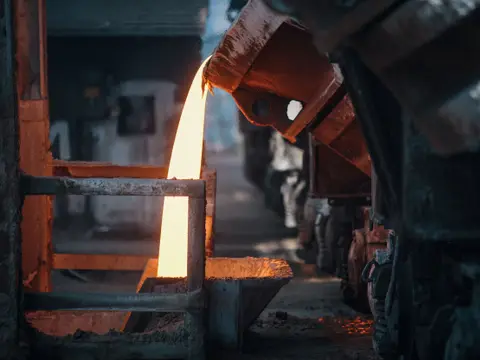
Foundries, welding and metal processing
Supplied-air welding helmets against fume containing manganese and hexavalent chromium.
-

Shipyards and tank interiors
Portable breathing air units for confined-space coating and grit blasting.
-
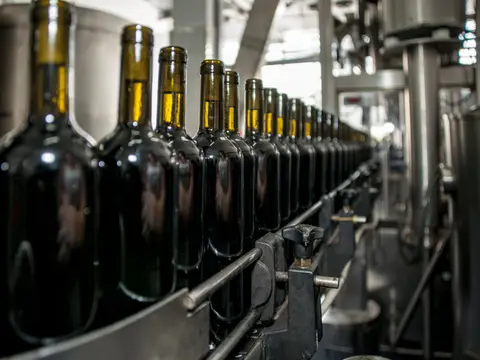
Food processing
Supplied air for workers during fumigation and chemical cleaning.
Also abrasive blasting, asbestos removal, nuclear decommissioning, hospital medical air, laboratories, mining and tunnelling, and composites and fibreglass lay-up.
How it works
Filter, dry, convert, polish, check
Each stage protects the next: liquid comes out before the desiccant, the air is dried before it reaches the catalyst, and the monitor checks what the wearer actually breathes.
-
1. FilterCoalescing filters at 1 µm and 0.01 µm capture liquid water, oil aerosol and solid particles, and automatic drains discharge the collected liquid.
-
2. DryTwin desiccant towers adsorb the water vapour, taking the air to a pressure dew point of typically −40 °C. One tower dries while the other is regenerated by a small flow of dried air, expanded to atmosphere.
-
3. Convert COA hopcalite catalyst converts carbon monoxide to carbon dioxide at ambient temperature. Converting 10 ppm CO adds only 10 ppm CO₂, insignificant against the 500 ppm limit.
-
4. PolishActivated carbon adsorbs oil vapour, hydrocarbons and odours, bringing total oil to ISO 8573-1 Class 1, and a particulate after-filter retains dust shed by the treatment media.
-
5. Check and deliverA gas monitor measures CO continuously and alarms before the limit is reached. A regulator sets the pressure your respirators need, and dedicated couplings carry the air to each wearer.
EN 12021:2014 limits for compressed breathing air: carbon monoxide ≤ 5 ml/m³, carbon dioxide ≤ 500 ml/m³, oil ≤ 0.5 mg/m³.
Get the full details
Our brochure covers it in detail, and our questionnaire tells us what we need to recommend the right one for your plant.
Keep exploring
More from our range
Equipment for every stage of your compressed air, and our own engineers to test, commission and look after it.
-
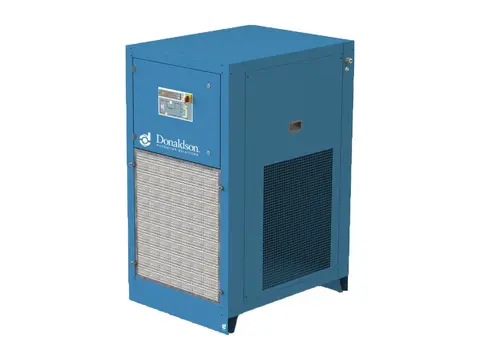
Refrigerated Air Dryers
Dry, condensate-free air for your plant, with no compressed air spent drying.
View product -
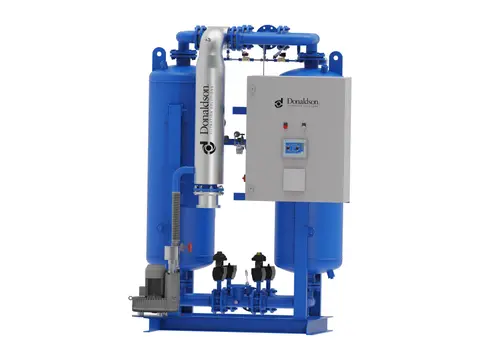
Heated Desiccant Dryers
Deep, stable dew points for your air, with heat doing the regeneration.
View product -
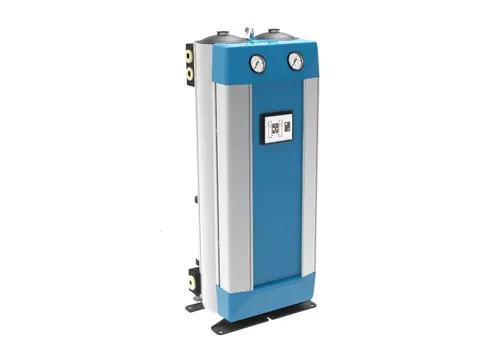
Heatless Desiccant Dryers
Deep dew points without heaters, for hazardous areas and remote sites.
View product -
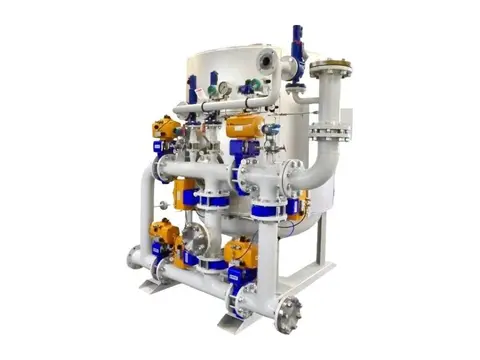
Hydrogen Dryers & De-Oxo Units
Electrolytic hydrogen purified of oxygen and water, ready for fuel cells.
View product -
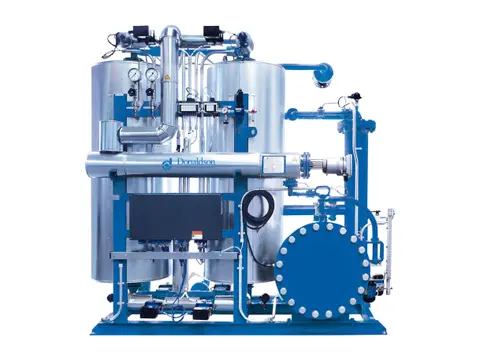
Biogas & Natural Gas Dryers
Dry, condensate-free fuel gas for your engines, boilers and upgrading plant.
View product -
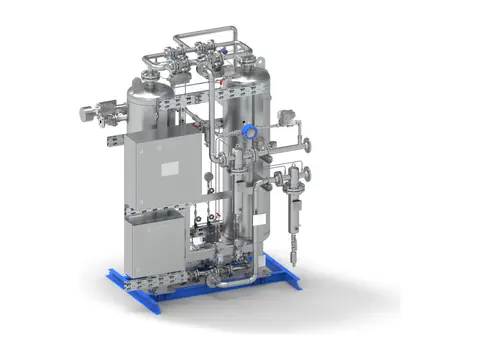
CO₂ Dryers
Beverage-grade dry CO₂ for your recovery plant, with no gas vented.
View product -
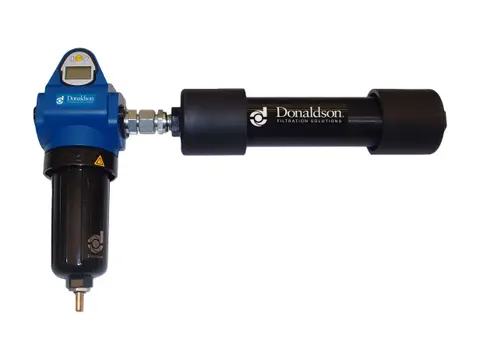
Membrane Dryers
Dry air at the point of use, with no power and no moving parts.
View product
-
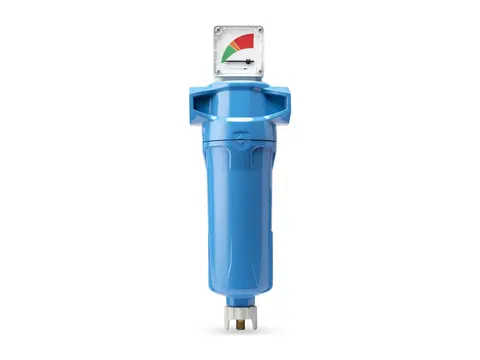
Coalescing Filters
Takes oil and water aerosols out of your air, down to 0.01 mg/m³.
View product -
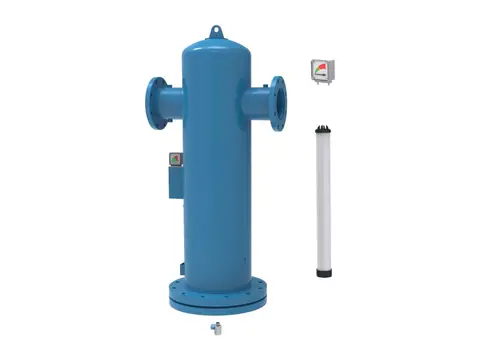
Particulate Filters
Dry, dust-free air for your plant, down to 0.01 µm particles.
View product -
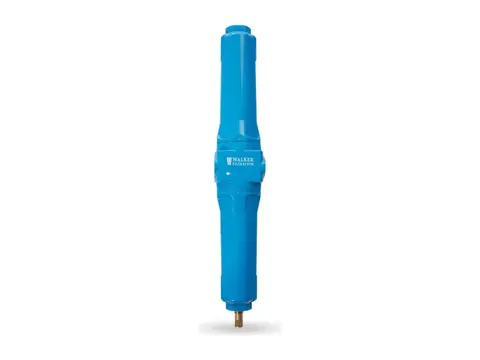
Compressed Air Duplex Filters
Change filter elements without interrupting your air supply.
View product -
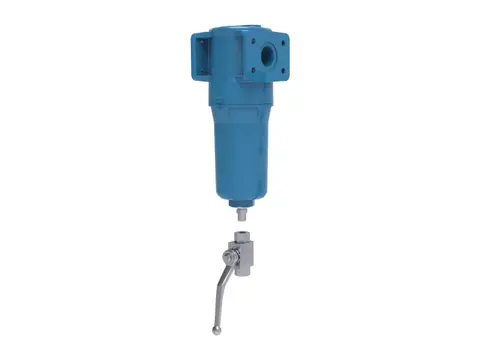
High Pressure Filters
Certified air purity for your high-pressure lines, up to 350 bar g.
View product -
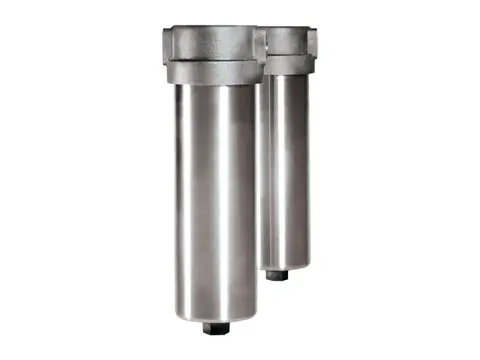
High Temperature Filters
Particle-free compressed air and gas where your process runs hot.
View product -
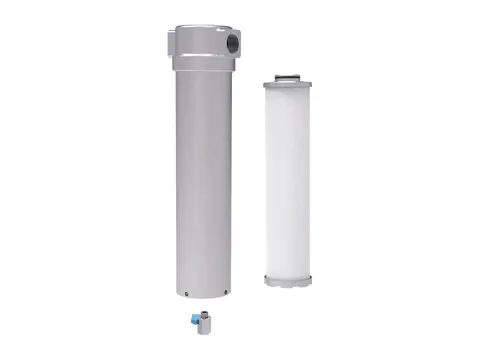
Ammonia and Refrigerant Filters
Keeps compressor oil out of your condensers and evaporators.
View product -
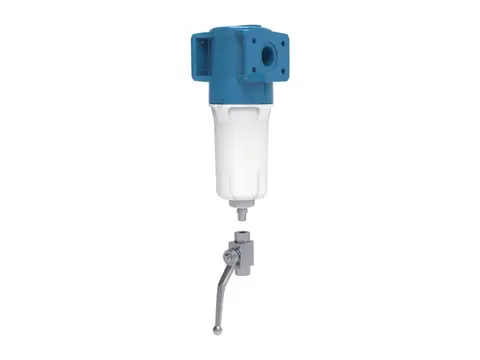
Oxygen Filters
Particle-free oxygen for your system, without adding an ignition source.
View product -
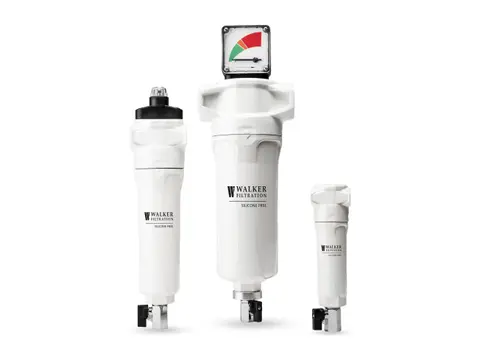
Silicone-Free Filters
Crater-free paint finishes, from air free of paint-wetting contaminants.
View product -
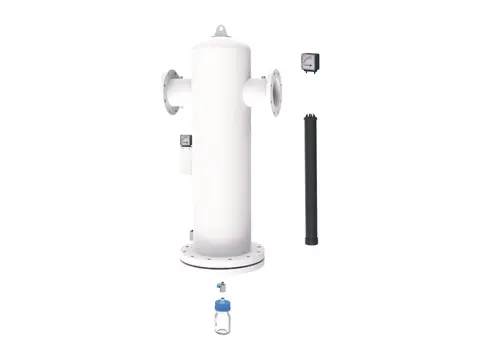
Medical Vacuum Filters
Keeps pathogens from hospital suction away from your pumps and exhaust.
View product -
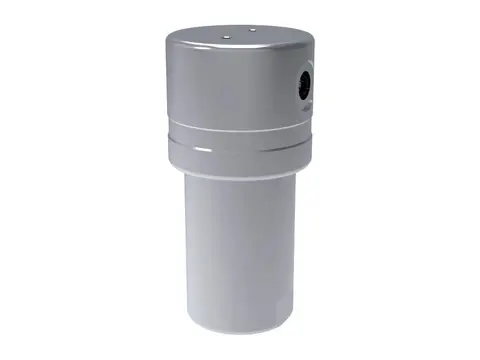
Hydrogen Filters
Particle, aerosol and oil-free hydrogen, from electrolyser to dispenser.
View product -
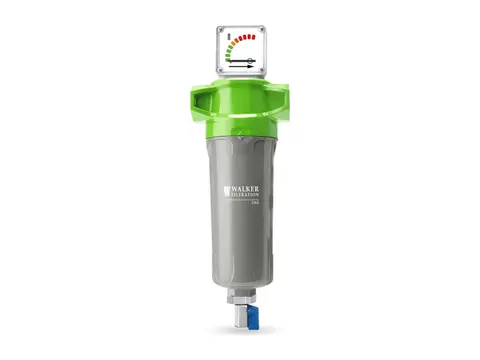
CNG Filters
Oil-free, particle-free natural gas from your compressor to the vehicle.
View product
-
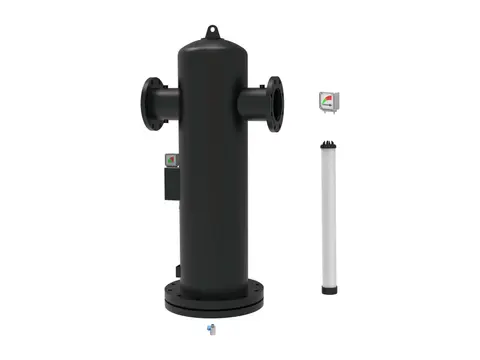
Centrifugal Moisture Separators
Bulk liquid out of your air by centrifugal force, with no element to replace.
View product -
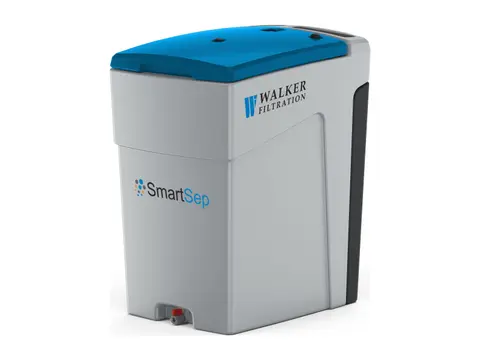
Oil Water Separator
Turns oily compressor condensate into water fit for sewer discharge.
View product -
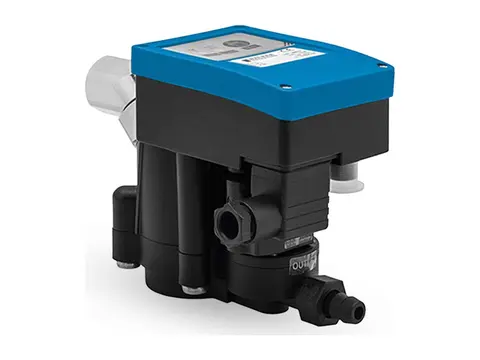
Zero-Loss Electronic Drain
Discharges every drop of condensate from your system, never your compressed air.
View product -
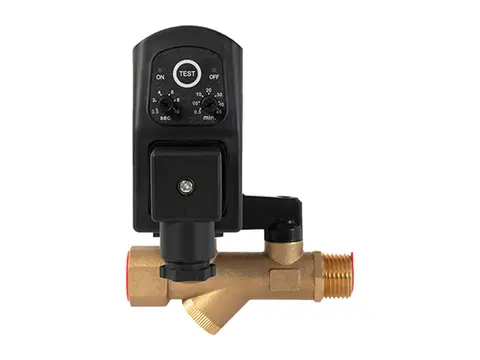
Timer Drain
Scheduled, positive condensate discharge from any collection point in your system.
View product -
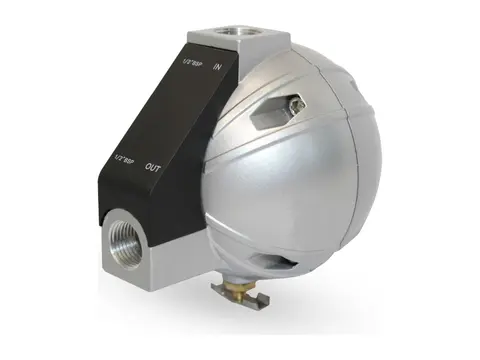
Mechanical Float Drain
Buoyancy-driven condensate removal with no power and no air loss.
View product -
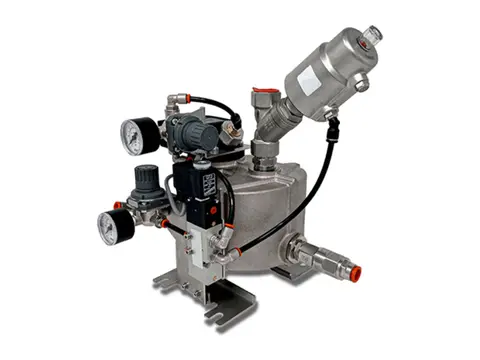
Vacuum Drain
Empties liquid from your vacuum system without breaking the vacuum.
View product
-
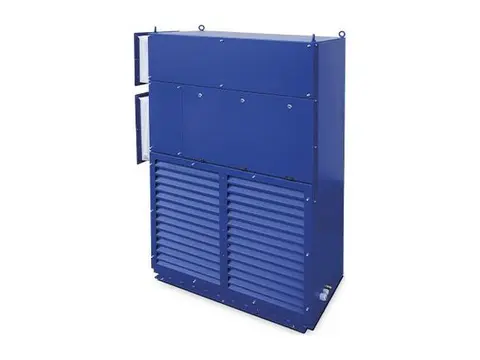
Crane Air Conditioner
Cool, clean cabins and electrical rooms for cranes working in extreme heat.
View product -
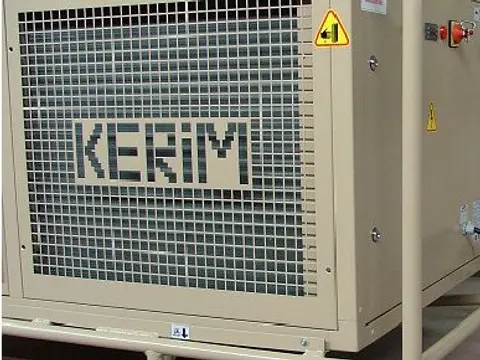
Tent Air Conditioner
Controlled climate for your tents, shelters and temporary structures.
View product -
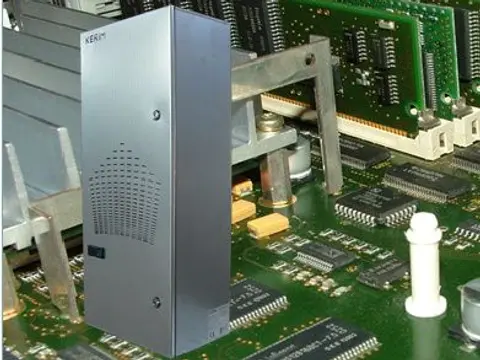
Panel Air Conditioner
Cool, clean, dry control panels, even in your hottest, dirtiest plant areas.
View product -
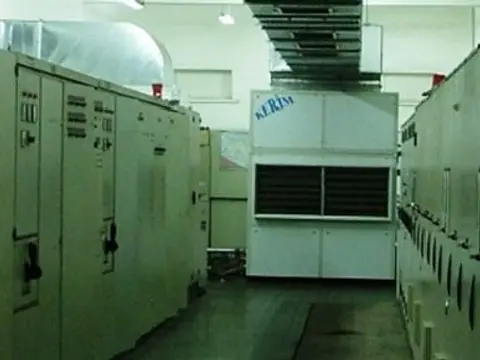
Air / Water Cooled Air Conditioner
Stable room temperatures for your electrical rooms in extreme plant heat.
View product
-
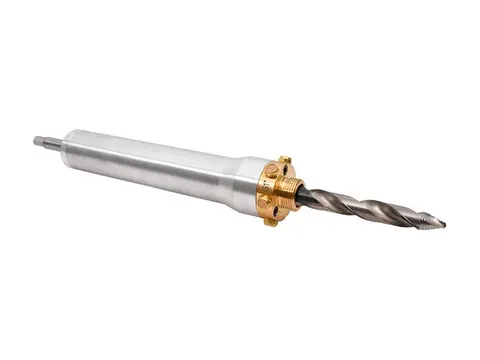
Hot Tapping
Add measurement ports to your live air lines without stopping production.
View product -
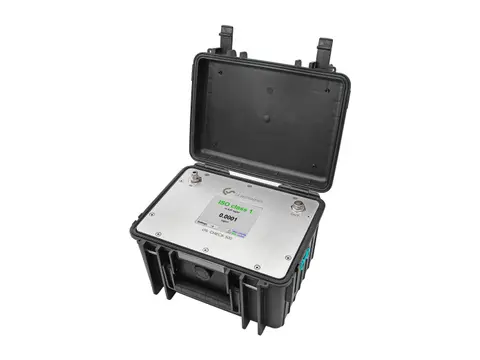
Compressed Air Quality Measurement
Prove your air's ISO 8573-1 purity: particles, oil and dew point.
View product -
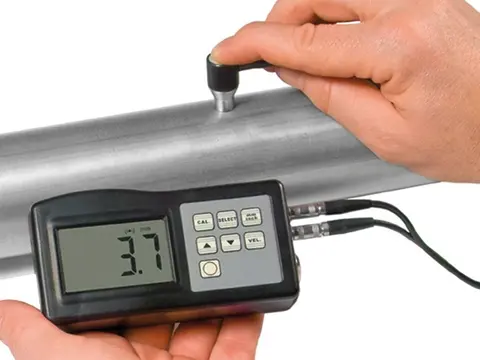
Digital Thickness Meter
Measure the metal left in your receivers and pipework, from the outside.
View product -
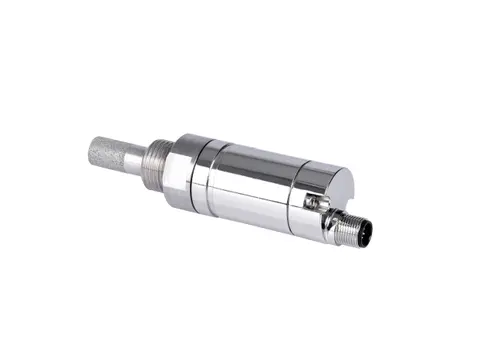
Dew Point Meter
Proof your air is dry, measured at line pressure.
View product -
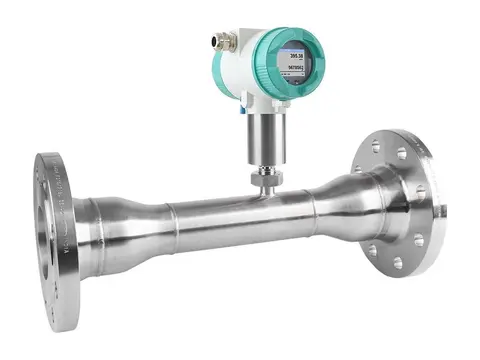
Flow Meter
True standard flow of your compressed air, whatever the line pressure.
View product -
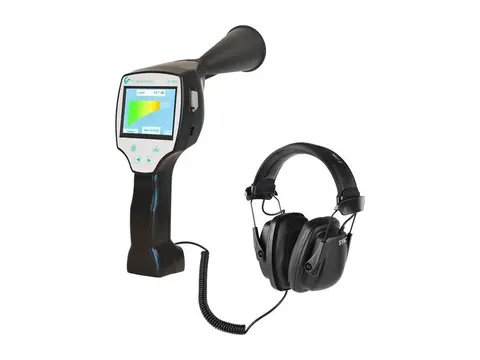
Leak Detector
Hear, locate and cost every compressed air leak in your plant.
View product -
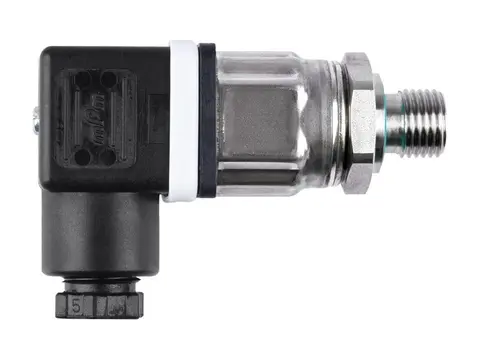
Pressure Sensor
Live pressure data from your compressor room to every point of use.
View product -
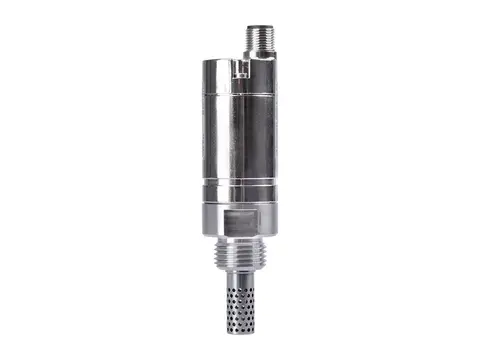
Humidity Meter
Humidity, temperature and dew point from one probe.
View product -
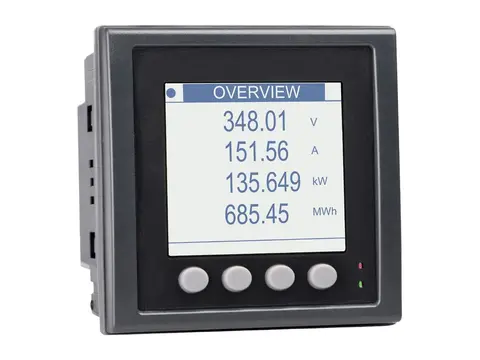
Power Meter
Measure the true power, energy and efficiency of your compressors.
View product
-
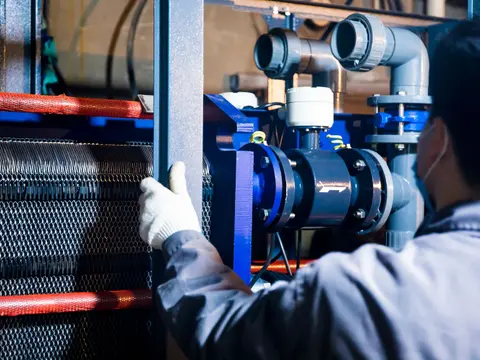
Health Testing of Compressed Air & Gas Dryers
Measured proof your dryer delivers its rated dew point.
View service -
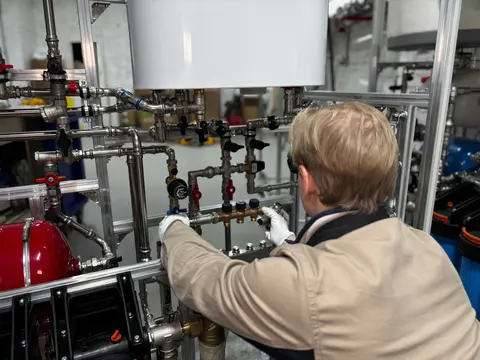
Commissioning and Service of Compressed Air & Gas Dryers
Verified dew point from first start-up through your dryer's service life.
View service -
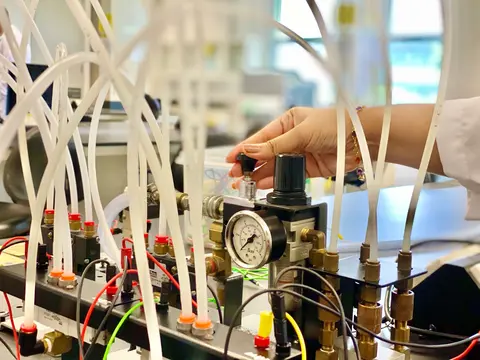
Compressed Air Quality Testing
Measured, documented proof of your compressed air purity class.
View service -
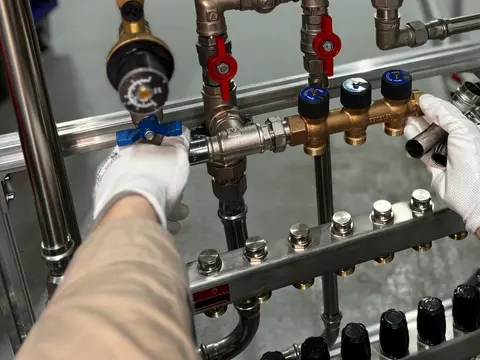
Dew Point Measurement Testing
Verified pressure dew point at the points that matter in your network.
View service -
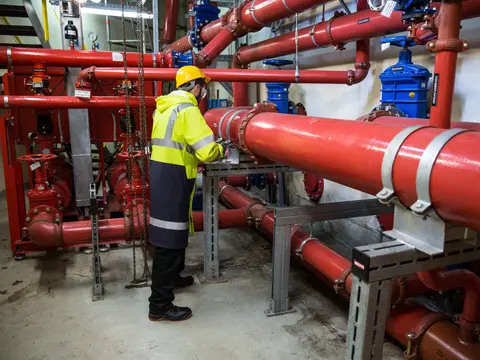
Compressed Air Flow Testing
Measured air demand, leakage and cost for your plant, not estimates.
View service -
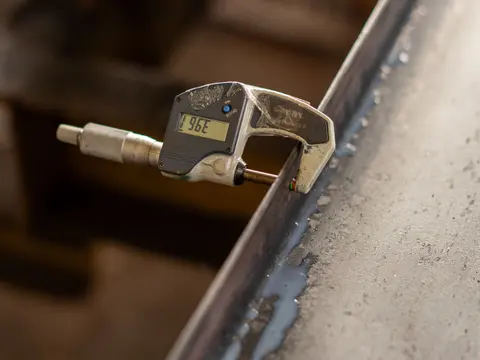
Wall Thickness Testing
Know the remaining wall, corrosion rate and safe life of your equipment.
View service -
Sourcing
Spares, consumables and whole systems for your plant, sourced globally.
View service
