
Measurement Equipments
Power Meter
See what your compressors really draw, and how much of that energy actually turns into air.
Product overview
Know the true energy cost of your compressed air
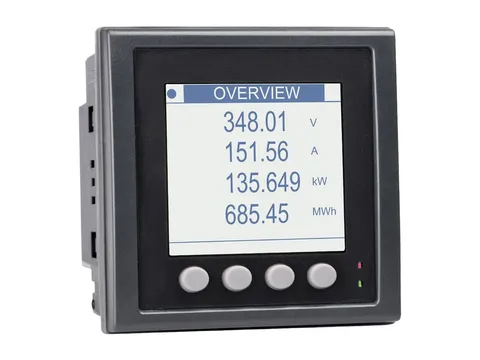
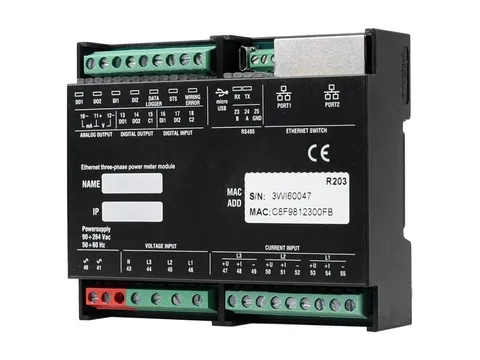
Our power meter measures the electrical energy your compressor, dryer or whole compressor room draws, and relates it to the air produced. It records active power (kW), accumulated energy (kWh), current, voltage, power factor and reactive power on each phase of a three-phase supply. Paired with a compressed air flow meter, it gives you specific power in kW per m³/min, or specific energy in kWh per m³: the efficiency figure of your air system.
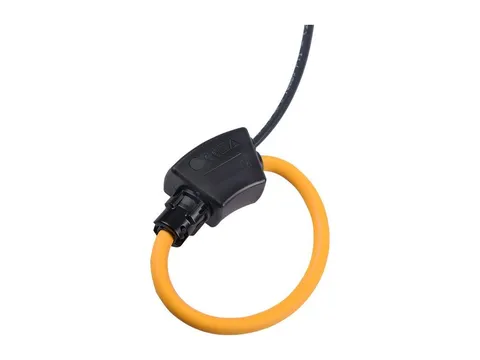
Current sensors clamp around the supply conductors and voltage leads connect to the same phases. The meter samples both thousands of times a second and multiplies them to give true active power, including the effect of phase shift and harmonic distortion. That matters in a compressor room, where unloaded motors run at low power factor and variable speed drives draw distorted current.
Use it for a temporary audit of one to several weeks, clamped around live cables without disconnecting the compressor, or for continuous monitoring that feeds your energy management system. A 75 kW compressor running 8,000 hours a year at an average input of 70 kW consumes 560,000 kWh, and a measured load profile shows how much of that makes air and how much goes on unloaded running, blowdown and leaks.
- kW per m³/minSpecific power, the efficiency figure of your air system
- 560,000 kWhA year for a 75 kW compressor averaging 70 kW over 8,000 hours
- 25–35 %Of full-load power commonly drawn unloaded by oil-injected screw compressors
- About 7 %More compressor energy for each extra 1 bar of discharge pressure
Benefits
The problems it solves
Electricity is the dominant cost of owning a compressor, yet most plants never measure it. Here is what that hides, and how the meter brings it into view.
-
Current readings mislead
The problem
Panel ammeters show current, not power. When a compressor unloads, its power factor falls steeply, so current overstates what it consumes.
How it solves it
The meter measures true active power: a 90 kW compressor drawing 80 A unloaded at 0.40 power factor uses 22 kW, only about 25 % of its loaded power, though its current is still 55 % of loaded current.
-
Hidden unloaded running
The problem
A fixed-speed compressor running unloaded still drives its motor, air end and fan while delivering no air.
How it solves it
The power trace separates loaded, unloaded, blowdown, standby and stopped states, and shows the hours and energy spent in each.
-
Leaks with no price
The problem
Leak repair competes with other projects for maintenance time and budget.
How it solves it
Power drawn when production stops puts a figure on it: a compressor room drawing 40 kW through a 48-hour weekend uses 1,920 kWh, roughly 100,000 kWh a year, on leaks and unloaded running.
-
Nameplates are not bills
The problem
A motor rating shows shaft output capacity, not input. Actual input varies with discharge pressure, inlet temperature, part load, fan duty and motor efficiency.
How it solves it
Measured kW and kWh express your real consumption in energy and money per shift, day and year.
-
Savings you cannot prove
The problem
Without a measured baseline, the savings from a new compressor, drive or controller cannot be calculated with confidence, and achieved savings cannot be proven.
How it solves it
Before-and-after measurements by the same method prove the result of leak repairs, pressure reductions and equipment changes.
-
Efficiency that slips
The problem
Air-end wear, fouled coolers, blocked inlet filters and failing unloading valves all make your compressors less efficient.
How it solves it
A gradual rise in specific power at the same pressure and flow points to them early.
Where it’s used
Wherever compressors run up the bill
Any plant where compressors are among the largest electrical loads, and anyone who needs to prove what an improvement has saved.
-

Automotive and engineering
Large multi-compressor rooms supplying assembly tools, paint shops and robots across several shifts.
-
Textiles
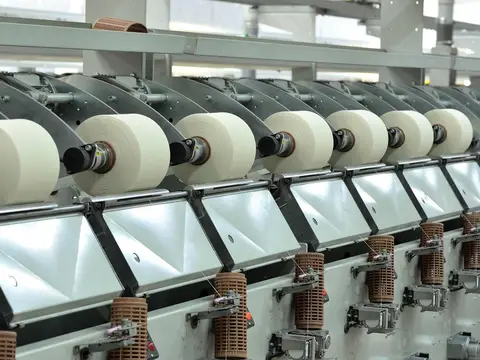
Air-jet weaving looms and spinning machines that consume high air volumes continuously.
-

Plastics and packaging
PET blow moulding compressors at 30–40 bar g, among the largest electrical loads in the plant.
-

Food, beverage and pharmaceuticals
Energy data tracked together with air quality compliance data.
-

Cement and glass
Compressors and blowers running continuously for conveying and combustion duties.
-

Steel and mining
Compressors, blowers and vacuum pumps running continuously for process duties.
Also compressed air energy assessments to ISO 11011:2013, ISO 50001 energy management, measurement and verification of savings, compressor acceptance testing to ISO 1217:2009, hospital medical air and vacuum plants, nitrogen and oxygen generation, and leak surveys.
How it works
Clamp, measure, compare
The meter reads the current and voltage on every phase, multiplies them into true power, and sets that against the air your compressor delivers.
-
1. Clamp onCurrent sensors clamp around the three supply conductors upstream of the starter or drive, with no cable disconnected and no production stop. Fused voltage leads connect to the same phases.
-
2. Sample and multiplyThe meter samples voltage and current on every channel at the same instant, thousands of times a second, and averages their product. That gives true active power, phase shift and harmonics included, summed across all three phases.
-
3. Power over timeAdding up power over time gives energy in kWh per interval, shift or day. For a compressor drawing 80 kW loaded and 24 kW unloaded, the stepped trace shows exactly how long it spends delivering no air.
-
4. Air alongsideA flow meter and pressure transmitter on the discharge header record the air your plant actually receives, logged every 1 to 10 seconds on the same time base as the power.
-
5. Specific powerDividing power by flow gives specific power in kW per m³/min, the efficiency figure of your system. A specific energy of 0.1 kWh per m³ equals a specific power of 6 kW per m³/min.
Specific power is meaningful only with the pressure and the flow reference stated.
Get the full details
Our brochure covers it in detail, and our questionnaire tells us what we need to recommend the right one for your plant.
Keep exploring
More from our range
Equipment for every stage of your compressed air, and our own engineers to test, commission and look after it.
-
Refrigerated Air Dryers
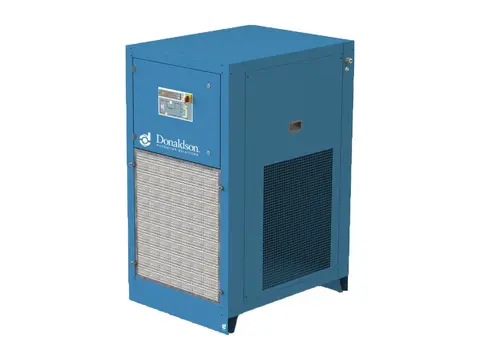
Dry, condensate-free air for your plant, with no compressed air spent drying.
View product -
Heated Desiccant Dryers
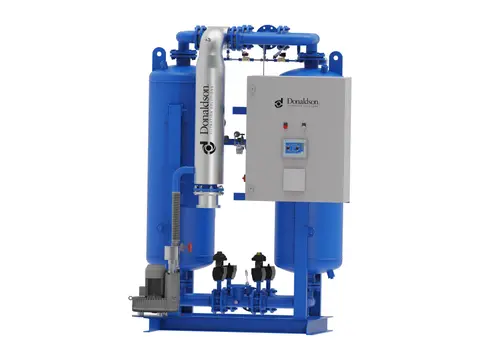
Deep, stable dew points for your air, with heat doing the regeneration.
View product -
Heatless Desiccant Dryers
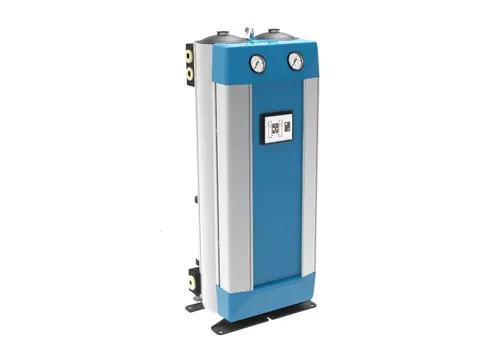
Deep dew points without heaters, for hazardous areas and remote sites.
View product -
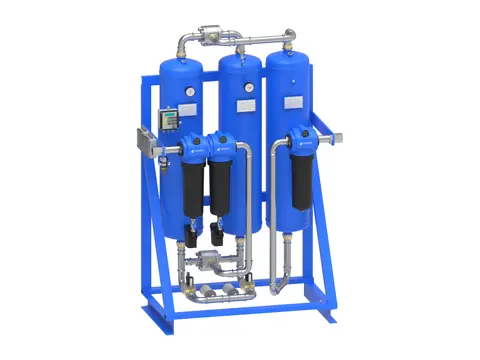
Breathing Air Systems
Your plant’s compressed air, made safe to breathe.
View product -
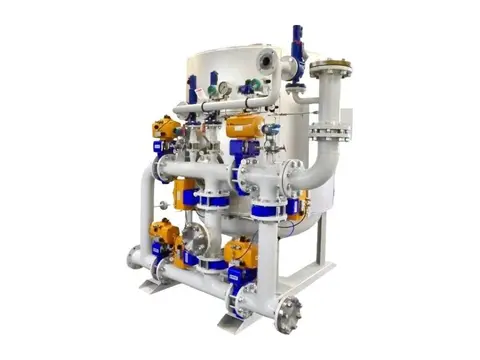
Hydrogen Dryers & De-Oxo Units
Electrolytic hydrogen purified of oxygen and water, ready for fuel cells.
View product -
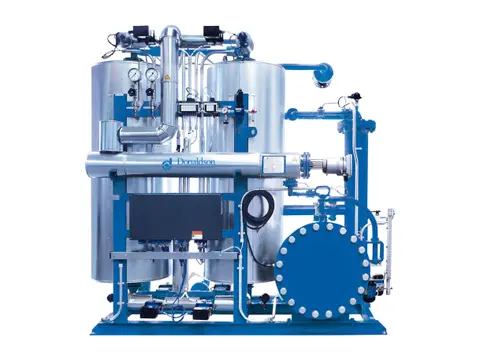
Biogas & Natural Gas Dryers
Dry, condensate-free fuel gas for your engines, boilers and upgrading plant.
View product -
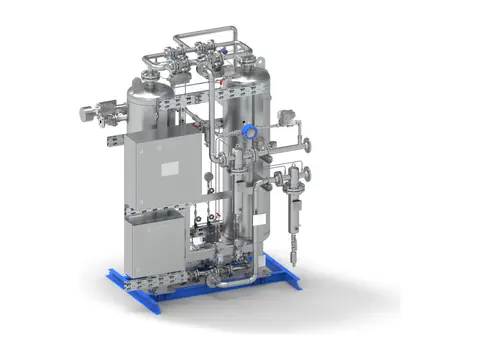
CO₂ Dryers
Beverage-grade dry CO₂ for your recovery plant, with no gas vented.
View product -
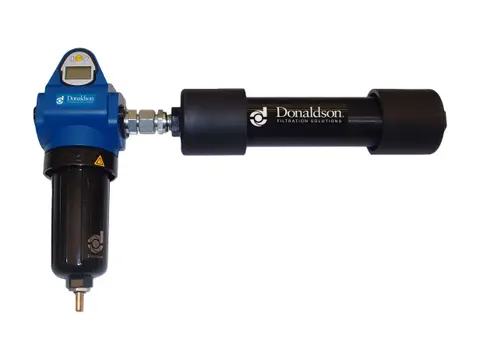
Membrane Dryers
Dry air at the point of use, with no power and no moving parts.
View product
-
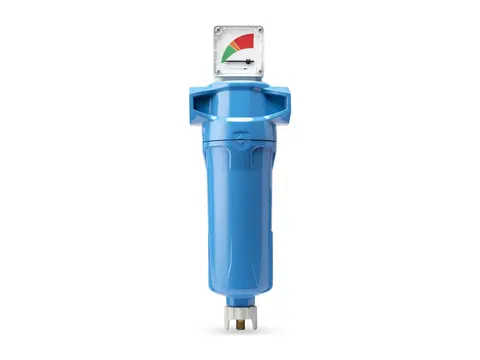
Coalescing Filters
Takes oil and water aerosols out of your air, down to 0.01 mg/m³.
View product -
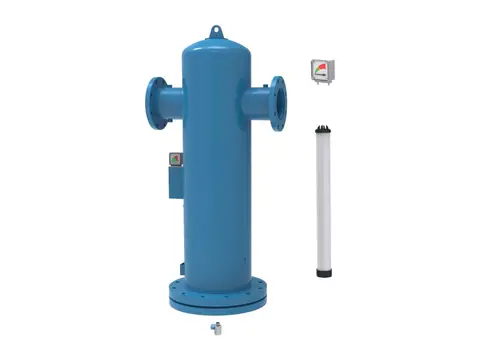
Particulate Filters
Dry, dust-free air for your plant, down to 0.01 µm particles.
View product -
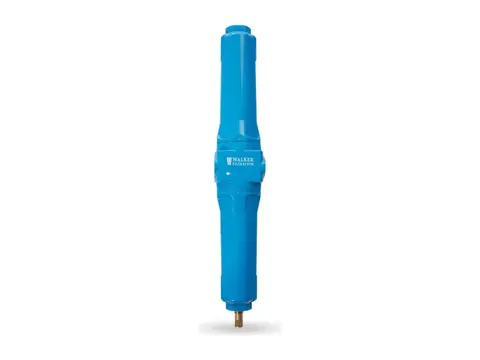
Compressed Air Duplex Filters
Change filter elements without interrupting your air supply.
View product -
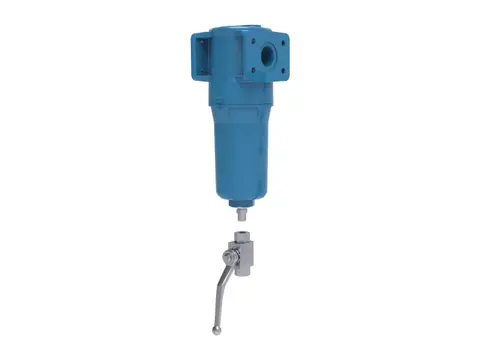
High Pressure Filters
Certified air purity for your high-pressure lines, up to 350 bar g.
View product -
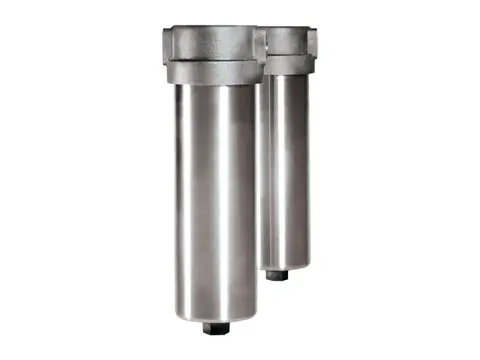
High Temperature Filters
Particle-free compressed air and gas where your process runs hot.
View product -
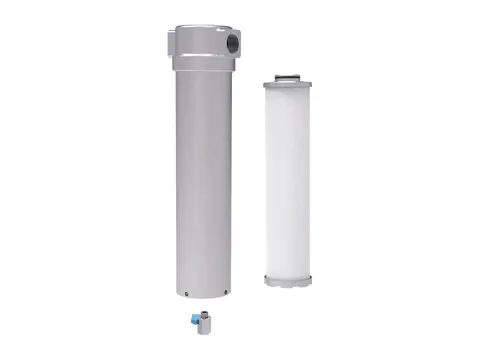
Ammonia and Refrigerant Filters
Keeps compressor oil out of your condensers and evaporators.
View product -
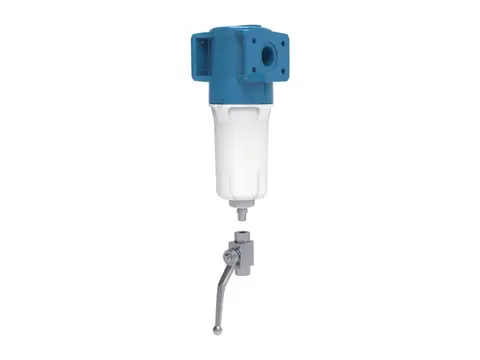
Oxygen Filters
Particle-free oxygen for your system, without adding an ignition source.
View product -
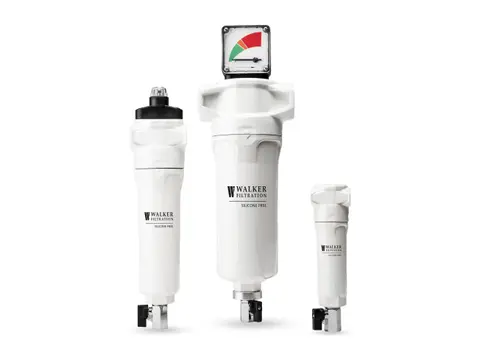
Silicone-Free Filters
Crater-free paint finishes, from air free of paint-wetting contaminants.
View product -
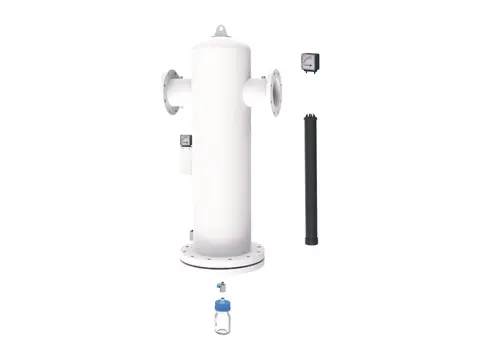
Medical Vacuum Filters
Keeps pathogens from hospital suction away from your pumps and exhaust.
View product -
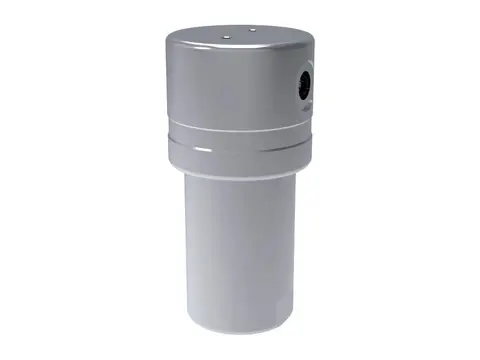
Hydrogen Filters
Particle, aerosol and oil-free hydrogen, from electrolyser to dispenser.
View product -
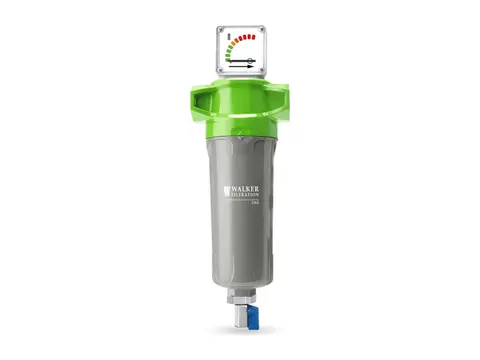
CNG Filters
Oil-free, particle-free natural gas from your compressor to the vehicle.
View product
-
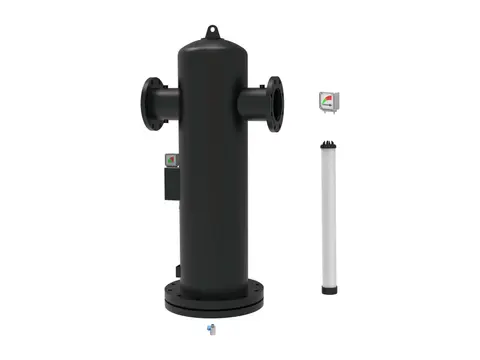
Centrifugal Moisture Separators
Bulk liquid out of your air by centrifugal force, with no element to replace.
View product -
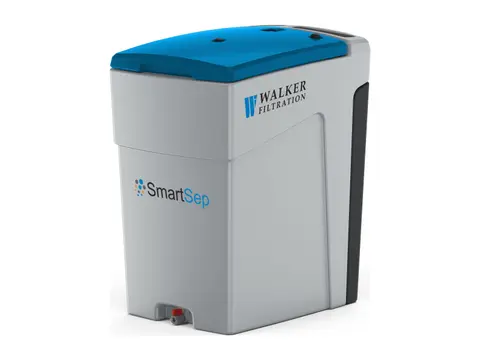
Oil Water Separator
Turns oily compressor condensate into water fit for sewer discharge.
View product -
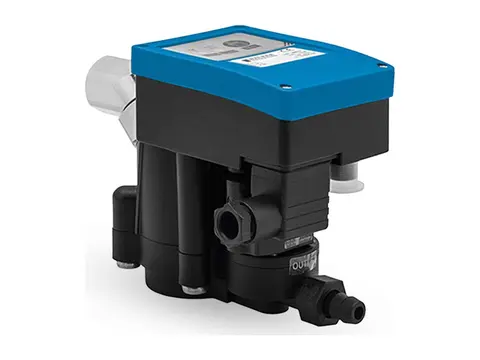
Zero-Loss Electronic Drain
Discharges every drop of condensate from your system, never your compressed air.
View product -
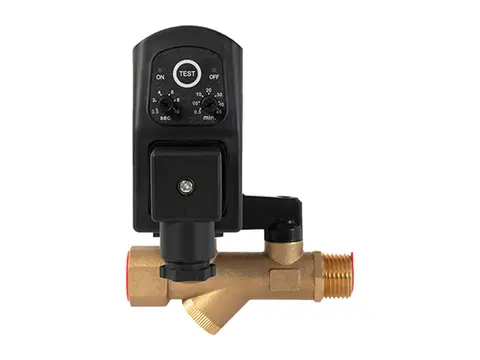
Timer Drain
Scheduled, positive condensate discharge from any collection point in your system.
View product -
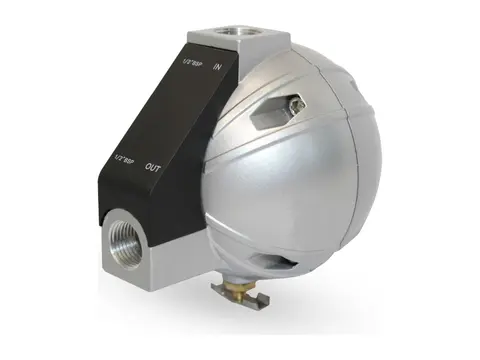
Mechanical Float Drain
Buoyancy-driven condensate removal with no power and no air loss.
View product -
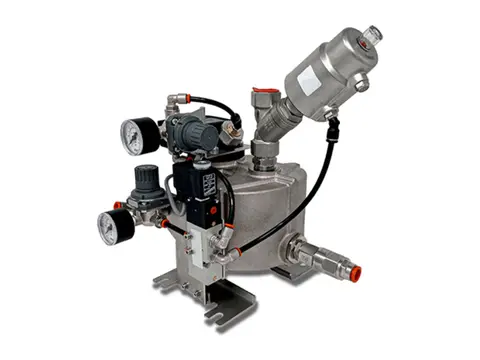
Vacuum Drain
Empties liquid from your vacuum system without breaking the vacuum.
View product
-
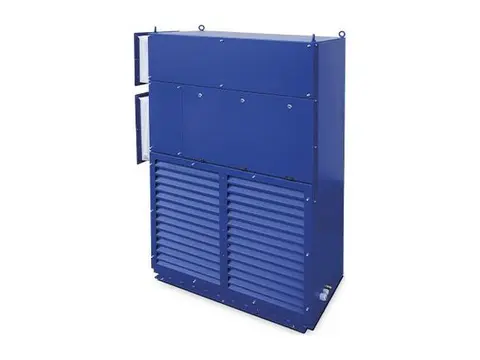
Crane Air Conditioner
Cool, clean cabins and electrical rooms for cranes working in extreme heat.
View product -
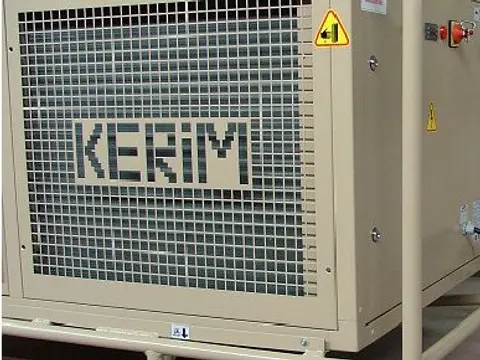
Tent Air Conditioner
Controlled climate for your tents, shelters and temporary structures.
View product -
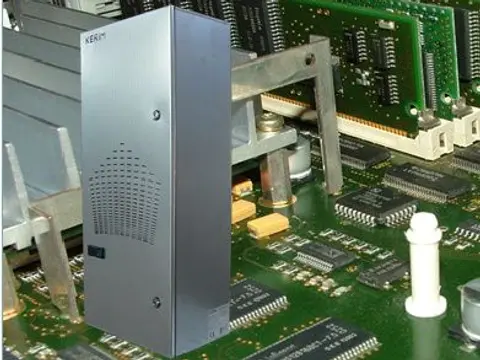
Panel Air Conditioner
Cool, clean, dry control panels, even in your hottest, dirtiest plant areas.
View product -
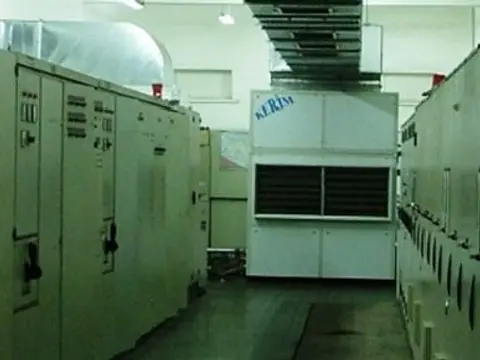
Air / Water Cooled Air Conditioner
Stable room temperatures for your electrical rooms in extreme plant heat.
View product
-
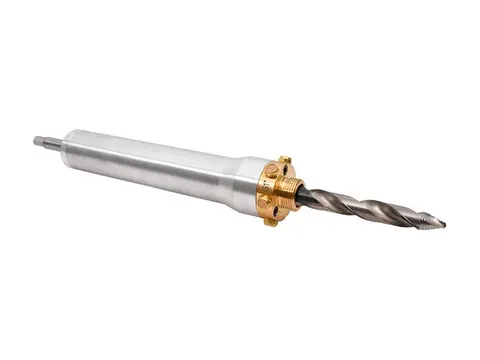
Hot Tapping
Add measurement ports to your live air lines without stopping production.
View product -
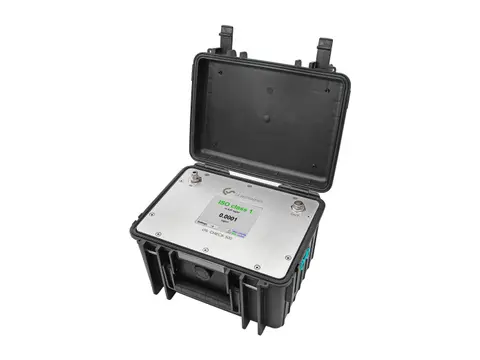
Compressed Air Quality Measurement
Prove your air's ISO 8573-1 purity: particles, oil and dew point.
View product -
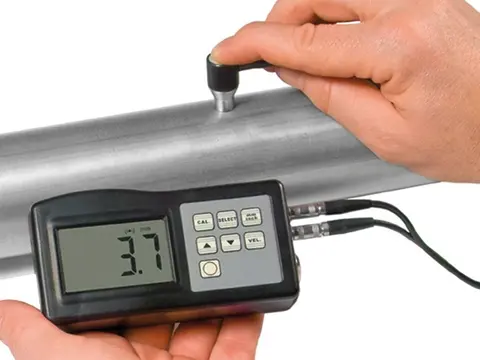
Digital Thickness Meter
Measure the metal left in your receivers and pipework, from the outside.
View product -
Dew Point Meter
Proof your air is dry, measured at line pressure.
View product -
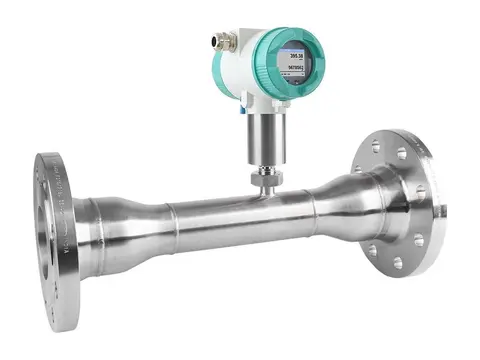
Flow Meter
True standard flow of your compressed air, whatever the line pressure.
View product -
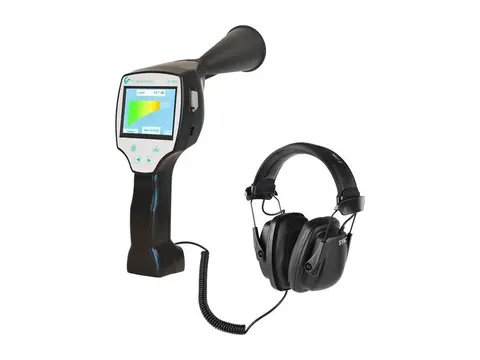
Leak Detector
Hear, locate and cost every compressed air leak in your plant.
View product -
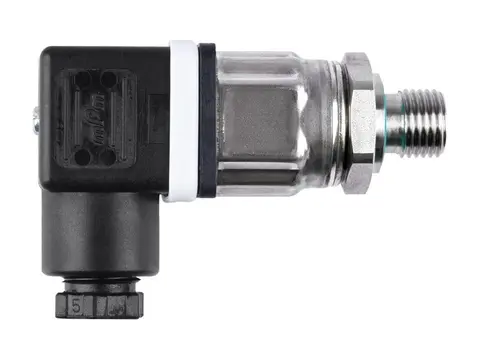
Pressure Sensor
Live pressure data from your compressor room to every point of use.
View product -
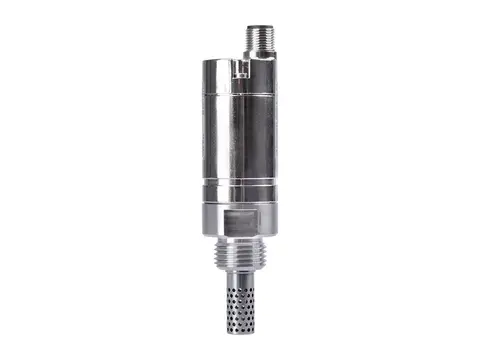
Humidity Meter
Humidity, temperature and dew point from one probe.
View product
-
Health Testing of Compressed Air & Gas Dryers
Measured proof your dryer delivers its rated dew point.
View service -
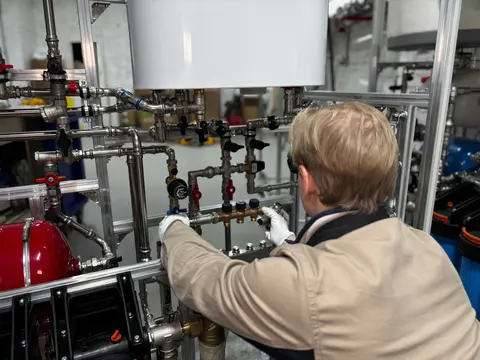
Commissioning and Service of Compressed Air & Gas Dryers
Verified dew point from first start-up through your dryer's service life.
View service -

Compressed Air Quality Testing
Measured, documented proof of your compressed air purity class.
View service -
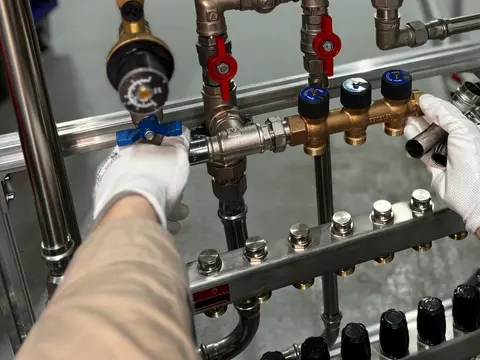
Dew Point Measurement Testing
Verified pressure dew point at the points that matter in your network.
View service -
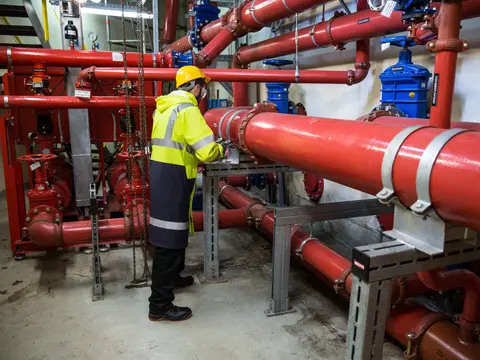
Compressed Air Flow Testing
Measured air demand, leakage and cost for your plant, not estimates.
View service -
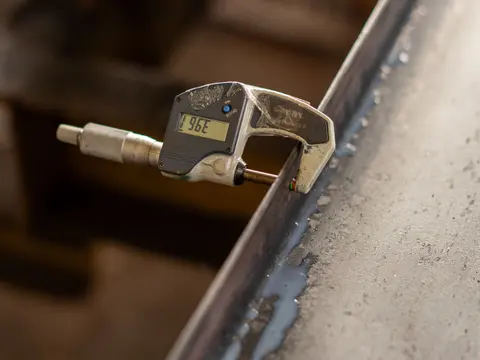
Wall Thickness Testing
Know the remaining wall, corrosion rate and safe life of your equipment.
View service -
Sourcing
Spares, consumables and whole systems for your plant, sourced globally.
View service
