

Condensate Management
Timer Drain
A forceful, regular blast that clears condensate and sludge from your sumps, on a schedule you set and can hear.
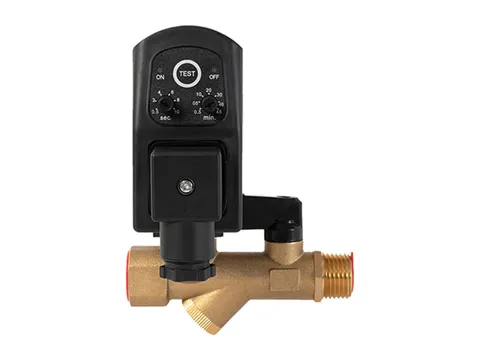
Product overview
Positive discharge, on a schedule you set
Our timer drain fits at the lowest point of your separator, receiver, filter bowl, dryer or drip leg. An electronic timer opens a normally closed solenoid valve for a set open time, typically 0.5–10 seconds, at a set interval, typically 0.5–45 minutes, and system pressure drives the collected liquid out.
The discharge is forceful: at 7 bar g, liquid leaves a 4 mm valve seat at about 37 m/s. The blast flushes rust, pipe scale and oily sludge out of your sump and valve seat, so dirty and emulsified condensate never silts it up.
It works on time alone, so its behaviour is completely predictable and you can confirm it by watching or listening for the blast. Once the liquid has gone the valve vents compressed air until it closes, so the open time is set no longer than your condensate load needs.
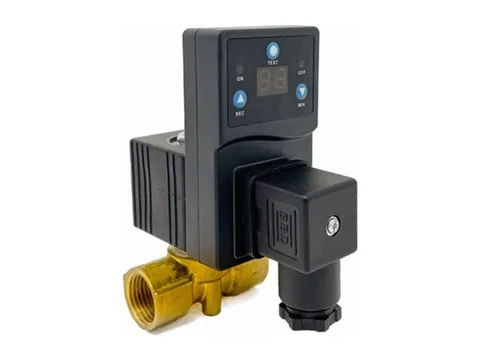
- 0.5–45 minTypical interval between discharges
- 0.5–10 sTypical open time
- About 37 m/sLiquid leaving a 4 mm seat at 7 bar g
- 16 bar gAnd above, with suitable valves
Benefits
The problems it solves
Liquid collects in the same places in every compressed air system, and it keeps coming around the clock. Here is what happens when it stays there, and how the timer drain clears it.
-
Sludge-blocked drains
The problem
Rust, pipe scale and oily sludge settle in sumps, block drain ports and lodge in valve seats.
How it solves it
The full-pressure blast clears rust, scale, sludge and emulsified oil through the valve seat at every cycle.
-
Flooded separators and filters
The problem
Once the liquid reaches the swirl zone or the filter element, it is picked up again and carried downstream as a slug.
How it solves it
Emptying the sump at every interval holds the level below that point, so your separators and filters keep working.
-
Unattended nights
The problem
A receiver or separator sump can fill in a few hours at peak load, and drain points are often where nobody is present.
How it solves it
The drain keeps discharging through nights, weekends and holidays, with no operator needed.
-
Is it working?
The problem
A drain that has stopped gives no warning until the equipment above it floods.
How it solves it
Discharge happens at a known interval with a distinct sound, so you confirm it by sight or sound, and a missing blast points straight to a fault.
-
Corroded receivers
The problem
Standing liquid takes up receiver volume and corrodes the vessel bottom, where wall thickness is critical.
How it solves it
Regular draining keeps your receiver's shell dry at its lowest point.
-
Loads that change with the seasons
The problem
At the same flow, condensate volume rises by about 75 % between 25 °C and 35 °C ambient conditions.
How it solves it
Interval and open time are set on site for each drain point and adjusted as the seasons change.
Where it’s used
Wherever liquid collects
Every compressed air system collects liquid at its aftercooler separator, receiver, filters, dryer and low points. A timer drain fits under each one.
-

Automotive and body shops
Keeping water out of air for spray painting, sealant application and pneumatic tools, where carryover causes paint defects.
-

Food and beverage
Removing liquid ahead of the filtration and drying stages that supply air for conveying, packaging and product contact.
-

Textiles
Air-jet looms and spinning machines use large air volumes, and drains keep liquid off yarn and nozzles.
-

Steel, foundries and cement
High ambient temperatures bring large condensate loads, and scale-laden condensate needs a drain that flushes its own seat.
-

Power generation
Drains on service air and instrument air receivers.
-

Plastics
Drains on the low-pressure and high-pressure receivers of blow-moulding air systems.
Also general manufacturing, mining and quarrying, construction and portable compressors, oil, gas and petrochemicals with explosion-protected coils, rail workshops and depots, pharmaceuticals and electronics, and workshops and garages.
How it works
Collect, blast, close
The timer opens the valve at every interval, whether the sump holds a litre of water or none. System pressure does the rest.
-
1. CollectThe solenoid valve is closed and condensate collects in the sump for the set interval, typically 0.5–45 minutes. The timer does not measure the level, so the interval is set for your peak load.
-
2. OpenThe timer energises the coil for the set open time, typically 0.5–10 seconds, and the valve opens.
-
3. Liquid outSystem pressure drives the liquid out. At 7 bar g it leaves a 4 mm seat at about 37 m/s, flushing rust, scale and oily sludge off the seat.
-
4. Air ventsOnce the liquid has gone, compressed air follows for the rest of the open time, about 0.95 m³ of free air a minute through a 4 mm seat. Setting the open time no longer than your load needs keeps this down.
-
5. CloseThe open time ends and a spring closes the valve. Liquid collects again until the next cycle.
Figures at 7 bar g, with a 4 mm valve seat.
Get the full details
Our brochure covers it in detail, and our questionnaire tells us what we need to recommend the right one for your plant.
Keep exploring
More from our range
Equipment for every stage of your compressed air, and our own engineers to test, commission and look after it.
-
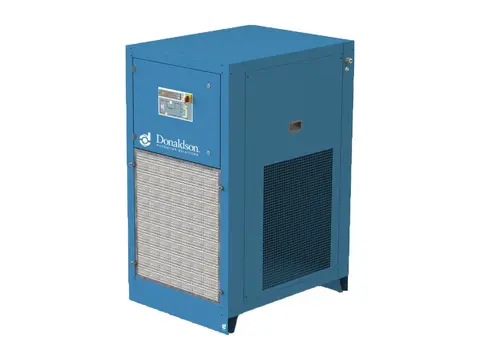
Refrigerated Air Dryers
Dry, condensate-free air for your plant, with no compressed air spent drying.
View product -
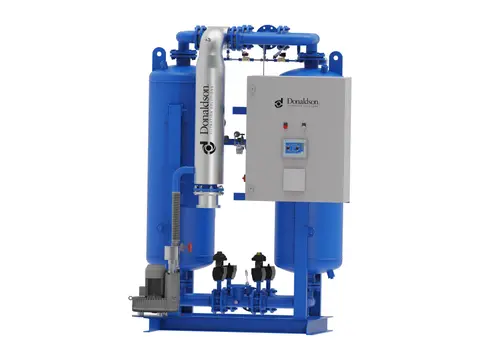
Heated Desiccant Dryers
Deep, stable dew points for your air, with heat doing the regeneration.
View product -
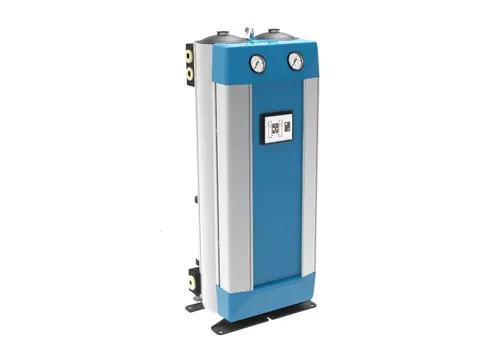
Heatless Desiccant Dryers
Deep dew points without heaters, for hazardous areas and remote sites.
View product -
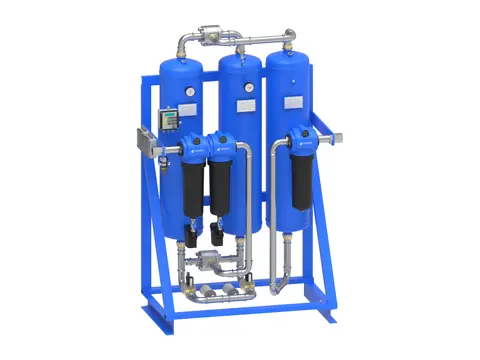
Breathing Air Systems
Your plant’s compressed air, made safe to breathe.
View product -
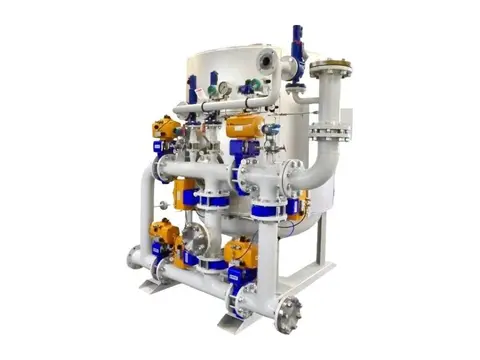
Hydrogen Dryers & De-Oxo Units
Electrolytic hydrogen purified of oxygen and water, ready for fuel cells.
View product -
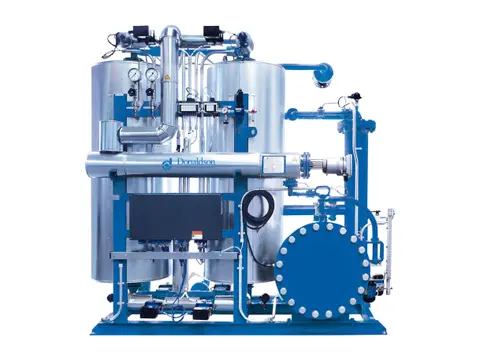
Biogas & Natural Gas Dryers
Dry, condensate-free fuel gas for your engines, boilers and upgrading plant.
View product -
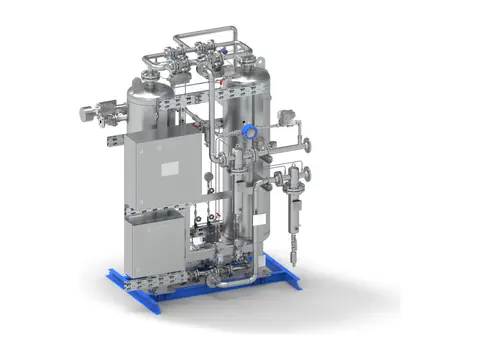
CO₂ Dryers
Beverage-grade dry CO₂ for your recovery plant, with no gas vented.
View product -
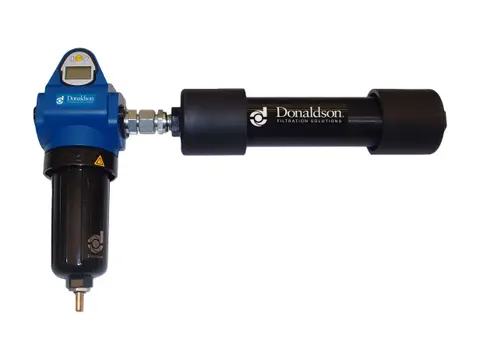
Membrane Dryers
Dry air at the point of use, with no power and no moving parts.
View product
-
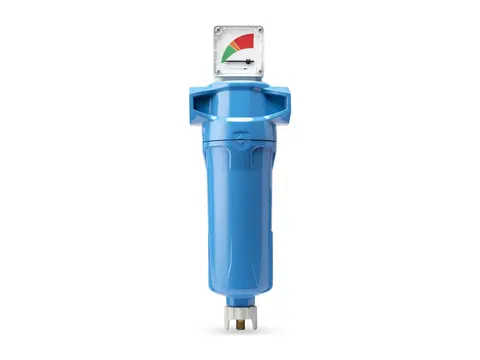
Coalescing Filters
Takes oil and water aerosols out of your air, down to 0.01 mg/m³.
View product -
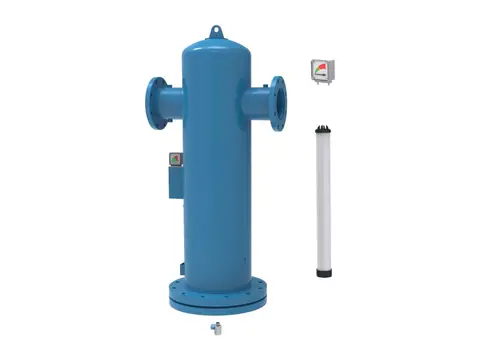
Particulate Filters
Dry, dust-free air for your plant, down to 0.01 µm particles.
View product -
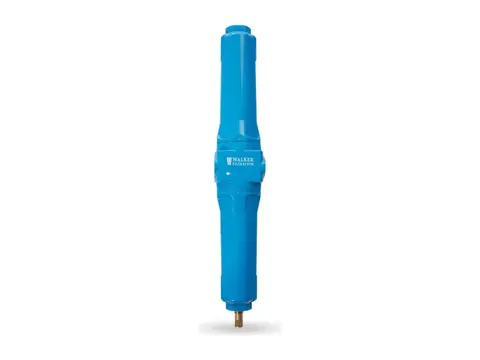
Compressed Air Duplex Filters
Change filter elements without interrupting your air supply.
View product -
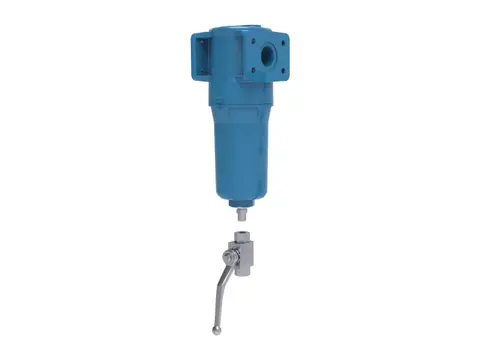
High Pressure Filters
Certified air purity for your high-pressure lines, up to 350 bar g.
View product -
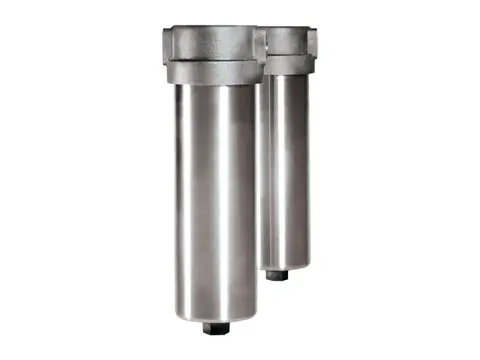
High Temperature Filters
Particle-free compressed air and gas where your process runs hot.
View product -
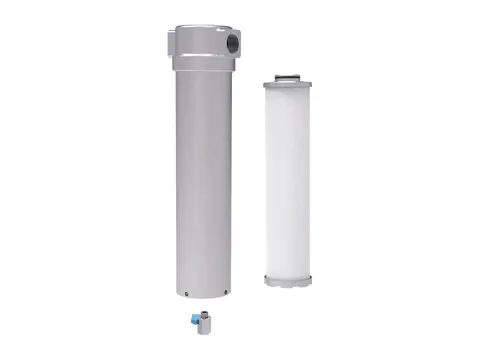
Ammonia and Refrigerant Filters
Keeps compressor oil out of your condensers and evaporators.
View product -
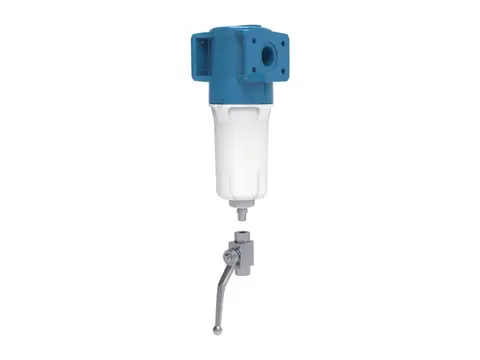
Oxygen Filters
Particle-free oxygen for your system, without adding an ignition source.
View product -
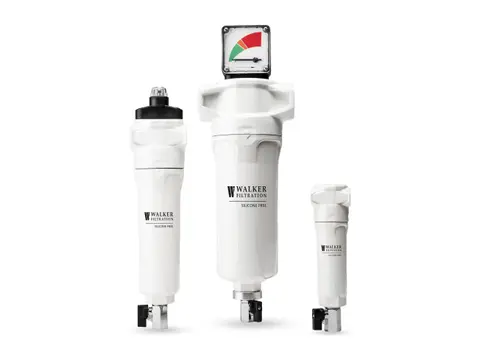
Silicone-Free Filters
Crater-free paint finishes, from air free of paint-wetting contaminants.
View product -
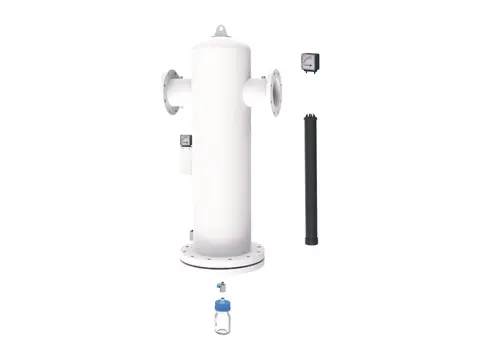
Medical Vacuum Filters
Keeps pathogens from hospital suction away from your pumps and exhaust.
View product -
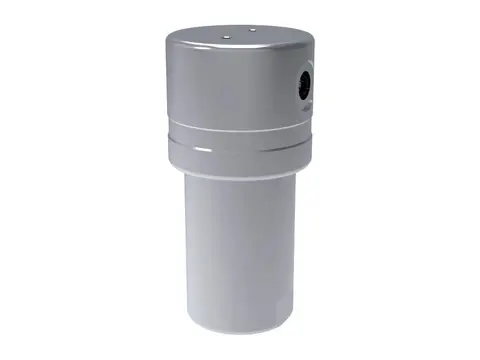
Hydrogen Filters
Particle, aerosol and oil-free hydrogen, from electrolyser to dispenser.
View product -
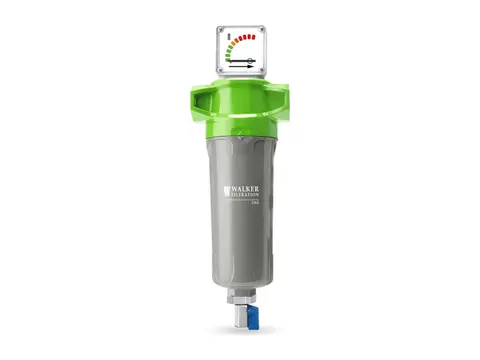
CNG Filters
Oil-free, particle-free natural gas from your compressor to the vehicle.
View product
-
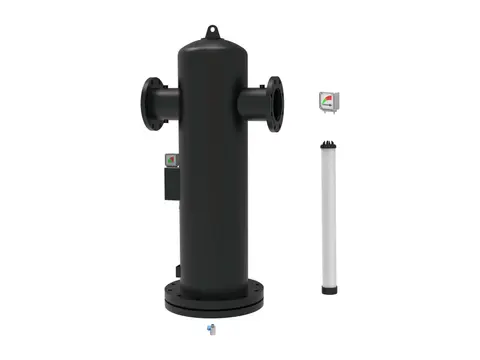
Centrifugal Moisture Separators
Bulk liquid out of your air by centrifugal force, with no element to replace.
View product -
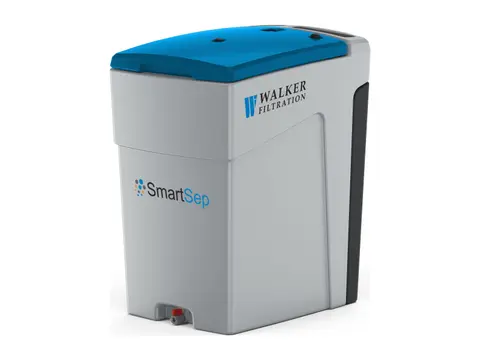
Oil Water Separator
Turns oily compressor condensate into water fit for sewer discharge.
View product -
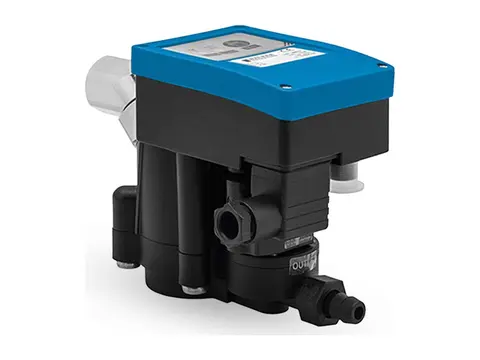
Zero-Loss Electronic Drain
Discharges every drop of condensate from your system, never your compressed air.
View product -
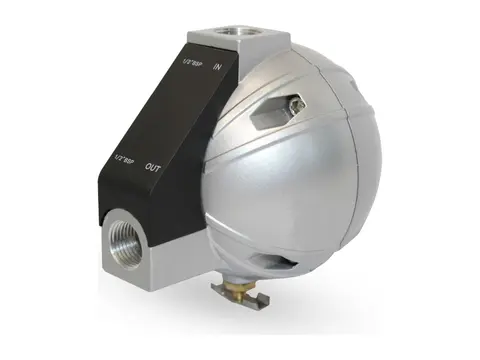
Mechanical Float Drain
Buoyancy-driven condensate removal with no power and no air loss.
View product -
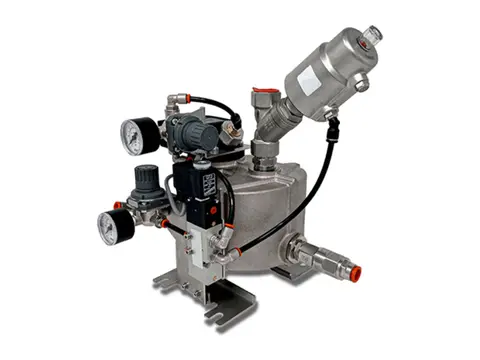
Vacuum Drain
Empties liquid from your vacuum system without breaking the vacuum.
View product
-
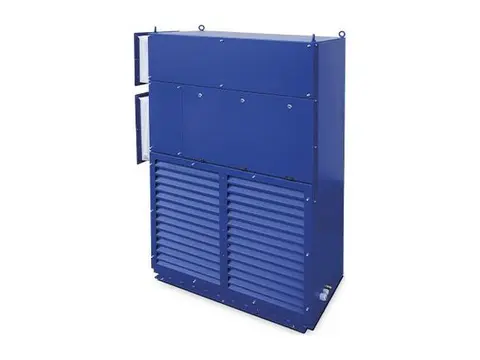
Crane Air Conditioner
Cool, clean cabins and electrical rooms for cranes working in extreme heat.
View product -
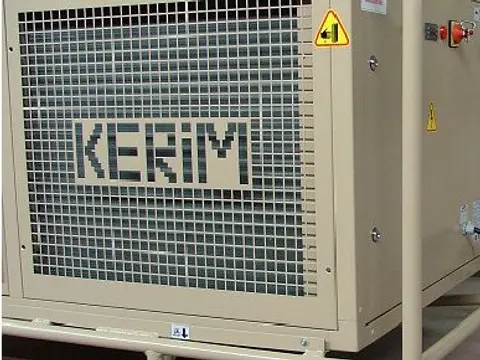
Tent Air Conditioner
Controlled climate for your tents, shelters and temporary structures.
View product -
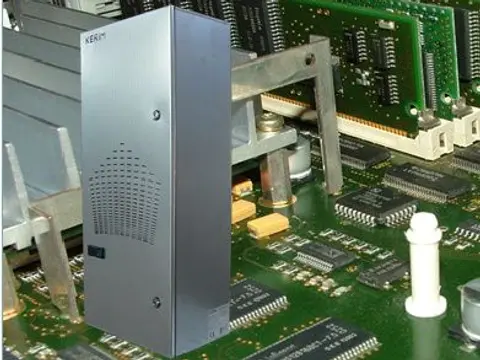
Panel Air Conditioner
Cool, clean, dry control panels, even in your hottest, dirtiest plant areas.
View product -
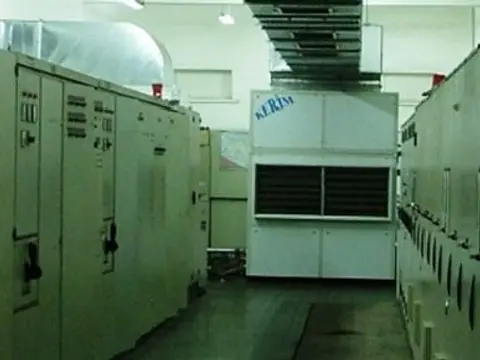
Air / Water Cooled Air Conditioner
Stable room temperatures for your electrical rooms in extreme plant heat.
View product
-
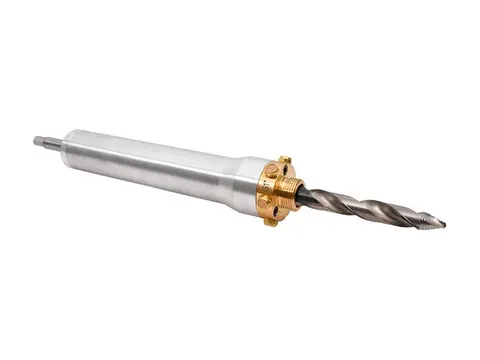
Hot Tapping
Add measurement ports to your live air lines without stopping production.
View product -
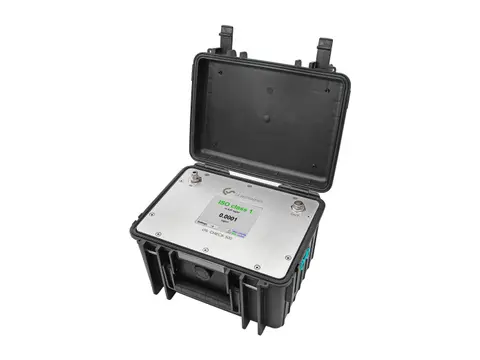
Compressed Air Quality Measurement
Prove your air's ISO 8573-1 purity: particles, oil and dew point.
View product -
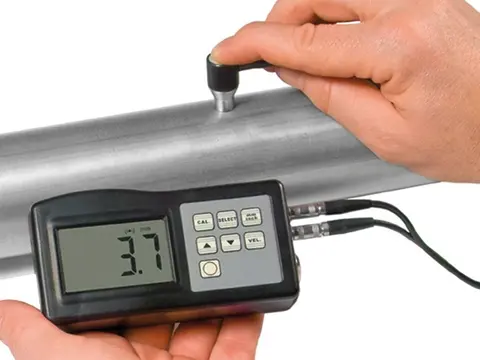
Digital Thickness Meter
Measure the metal left in your receivers and pipework, from the outside.
View product -
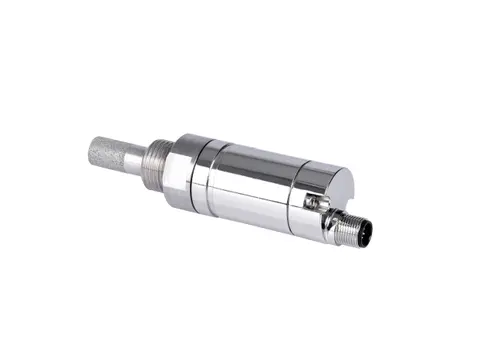
Dew Point Meter
Proof your air is dry, measured at line pressure.
View product -
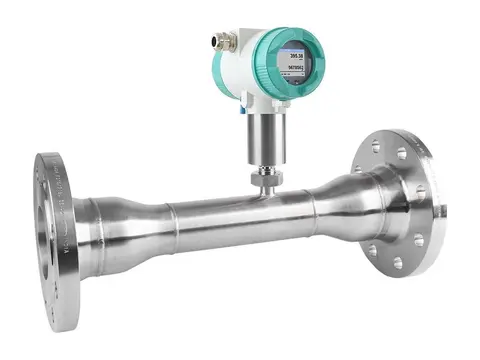
Flow Meter
True standard flow of your compressed air, whatever the line pressure.
View product -
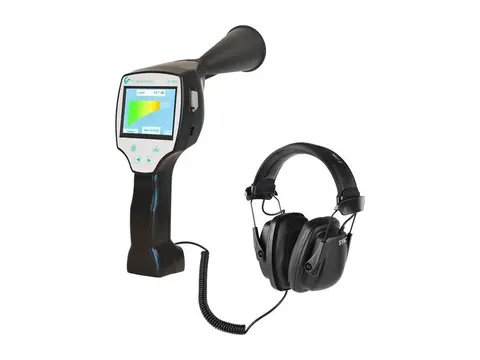
Leak Detector
Hear, locate and cost every compressed air leak in your plant.
View product -
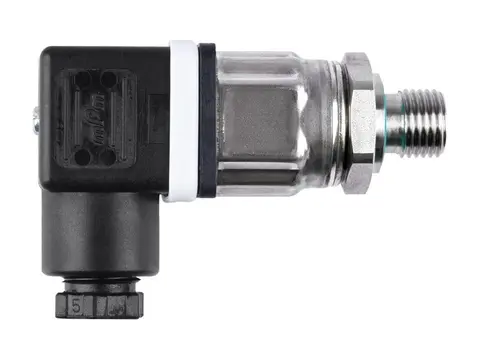
Pressure Sensor
Live pressure data from your compressor room to every point of use.
View product -
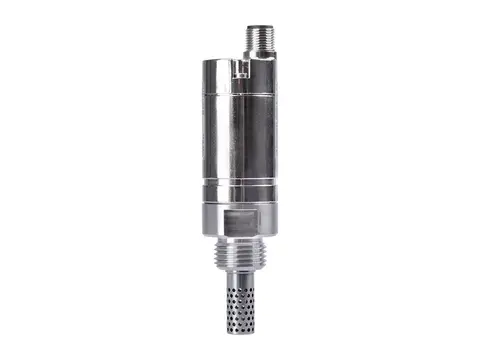
Humidity Meter
Humidity, temperature and dew point from one probe.
View product -
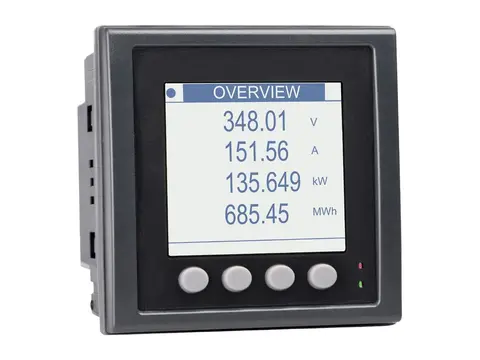
Power Meter
Measure the true power, energy and efficiency of your compressors.
View product
-
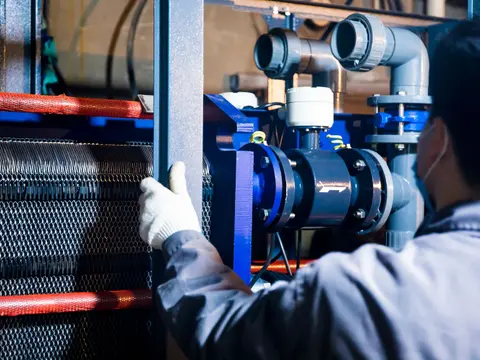
Health Testing of Compressed Air & Gas Dryers
Measured proof your dryer delivers its rated dew point.
View service -
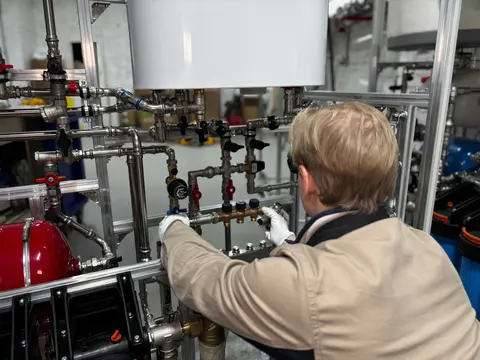
Commissioning and Service of Compressed Air & Gas Dryers
Verified dew point from first start-up through your dryer's service life.
View service -
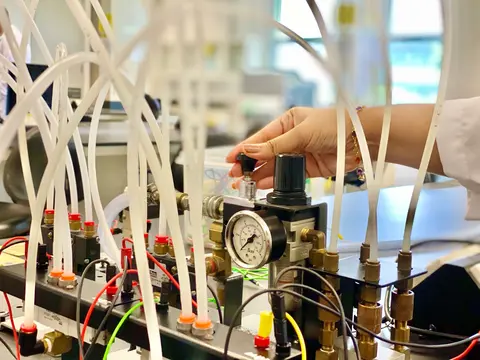
Compressed Air Quality Testing
Measured, documented proof of your compressed air purity class.
View service -
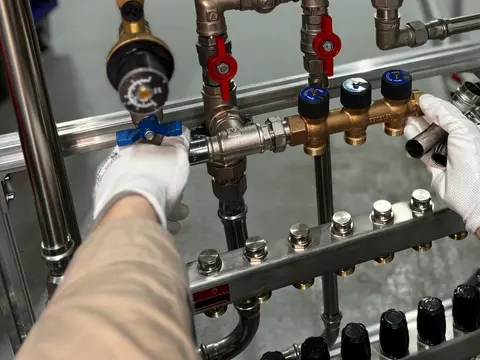
Dew Point Measurement Testing
Verified pressure dew point at the points that matter in your network.
View service -
Compressed Air Flow Testing
Measured air demand, leakage and cost for your plant, not estimates.
View service -
Wall Thickness Testing
Know the remaining wall, corrosion rate and safe life of your equipment.
View service -
Sourcing
Spares, consumables and whole systems for your plant, sourced globally.
View service
