
Measurement Equipments
Hot Tapping Kit
Put flow and dew point probes exactly where you need them, while your air keeps flowing and your plant keeps running.
Product overview
Measurement ports in live lines, with production running
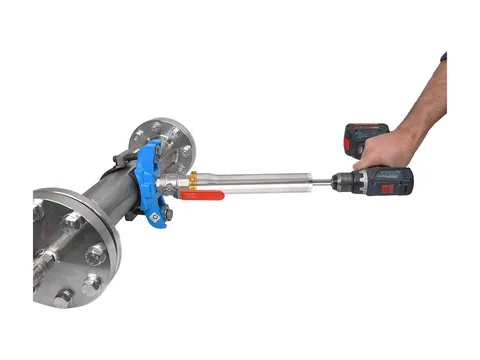
Our hot tapping kit drills a measurement port into your compressed air or technical gas pipe while the line stays at full operating pressure. Production carries on throughout, and no section of your network has to be vented, isolated or re-commissioned.
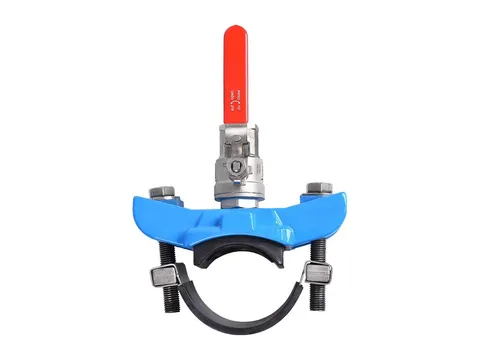
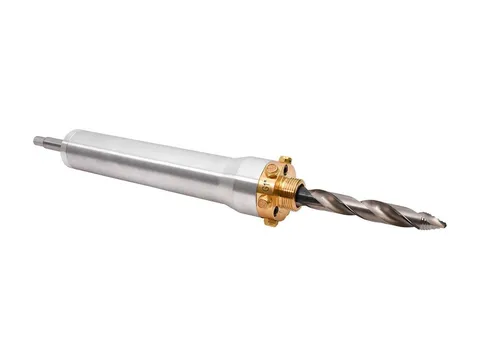
A saddle clamp gives the pipe a threaded connection, a full-bore ball valve screws into it, and a drilling device sealed against line pressure cuts the hole through the open valve. The valve is then closed and the drilling device removed, leaving an isolated ½ inch port ready for a flow, dew point, pressure or temperature probe.
“Hot” means live, not heat: the drilling is mechanical cutting, with no flame or welding. The valve stays on your pipe for good, so one port serves a measurement location for its whole life, and a portable probe can move between several prepared points.
- ½ inchMost common port for insertion probes
- ZeroDowntime and air vented to install
- About 93 NShaft force held at 7 bar g
- No flameClamp-on, so no hot-work permit
Benefits
Instruments in, production uninterrupted
Most networks were installed without flow or dew point instrumentation, and many plants cannot stop their air to add it. Here is what stands in the way, and how hot tapping clears it.
-
No production stoppage
The problem
Shutting down the air network stops every machine on it, and a continuous process may get one planned shutdown a year.
How it solves it
The port is drilled while your network runs at normal pressure and flow, so instrumentation no longer waits for the shutdown calendar.
-
No air vented
The problem
Every cubic metre of pipe and receiver volume vented from 7 bar g releases about 7 m³ of free air, which then has to be compressed again.
How it solves it
Your line is never vented, so no stored air is wasted and nothing needs repressurising.
-
Probes you can service
The problem
A probe fitted straight into a pipe can only come out if the line is depressurised, so in practice it stays in and drifts.
How it solves it
The ball valve stays on the pipe, so any probe can be withdrawn for calibration, cleaning or replacement at any time, without depressurising.
-
No hot work
The problem
Welding a boss onto a line needs welding procedures and hot-work controls.
How it solves it
Clamp-on saddles and mechanical cutting mean no flame, no welding and no fire permit.
-
A clean pipe interior
The problem
Opening a depressurised pipe lets in ambient dust and humidity, and a clean, dry network must then be purged before its air is back in specification.
How it solves it
The saddle, valve and drilling housing form a sealed chamber, so your pipe interior is never open to atmosphere.
-
Measurement where it counts
The problem
Without a port, leakage, consumption per area and air quality at the point of use stay unknown.
How it solves it
Ports go where straight runs and representative air exist, each takes flow, dew point, pressure or temperature probes, and one set of probes can survey your whole site.
Where it’s used
Wherever the air cannot stop
Plants that run around the clock, and plants whose air systems are validated, add their measurement points through hot tapping.
-
Continuous-process plants
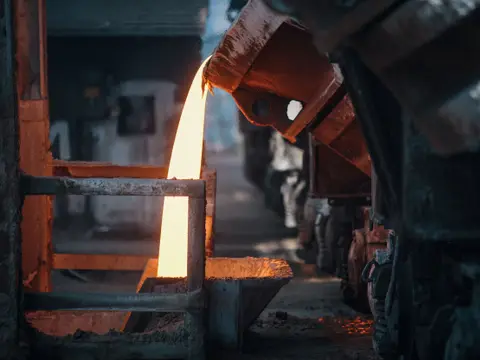
Steel mills, glass works, cement and chemical plants that may get one air shutdown a year add instrumentation between turnarounds.
-

Food and beverage
Dew point monitoring on bottling, packaging and processing lines to BCAS Guideline 102 and HACCP, without interrupting production.
-
Pharmaceuticals
Dew point and flow monitoring added to validated air systems, without venting lines that would then need re-qualification.
-

Automotive
Body shops, paint shops and assembly lines allocate air per line and track leakage for ISO 50001 energy programmes.
-
Textiles
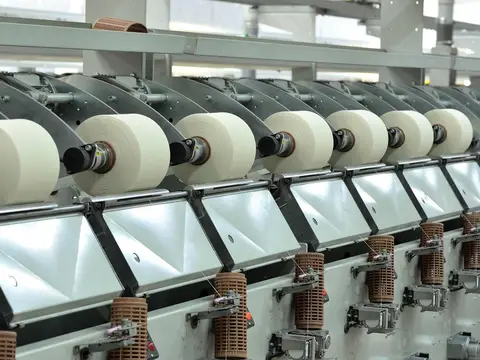
Branch flow measurement shows the consumption of each loom group, among the largest air users in industry.
-

Power generation
Instrument air serving valve actuators and dampers stays live while dew point monitoring is added.
Also hospital medical air plants, clean dry air in electronics and semiconductors, PET blow moulding on 30–40 bar g lines where the drilling device is rated for that pressure, nitrogen, argon and CO₂ networks, and energy auditors moving portable probes between prepared points during ISO 11011 assessments.
How it works
Drill under pressure, never open the line
Every step happens inside a sealed chamber connected to your pipe, so there is never a direct path from the air inside to atmosphere.
-
1. Clamp the saddleA saddle clamp, sealed to the pipe by its gasket, gives the wall a threaded ½ inch connection. Its bolts are tightened evenly before drilling, because the gasket’s seal is only proven once the hole breaks through.
-
2. Fit the valveA full-bore ball valve screws into the saddle and is opened fully. Its bore is larger than the drill bit, so the bit, and later the probe, pass through the ball without touching it.
-
3. Drill under pressureThe drilling device screws onto the open valve and its bit cuts through the pipe wall. At breakthrough, line pressure pushes a 13 mm shaft outward with about 93 N at 7 bar g; the feed holds it while the gland seal keeps the air in. A short blow-off through the vent carries chips out through the tool, not into your pipe.
-
4. Retract and isolateThe bit is withdrawn above the ball and the valve closed with a quarter turn. The housing is vented, its gauge confirms zero pressure, and the drilling device comes off, leaving a sealed port.
-
5. Insert the probeThe probe’s gland screws onto the closed valve and its safety restraint is fitted. The valve is opened, the probe pushed to its depth, commonly the pipe centreline, aligned with the flow, and the gland tightened.
Forces shown for a line at 7 bar g.
Get the full details
Our brochure covers it in detail, and our questionnaire tells us what we need to recommend the right one for your plant.
Keep exploring
More from our range
Equipment for every stage of your compressed air, and our own engineers to test, commission and look after it.
-
Refrigerated Air Dryers
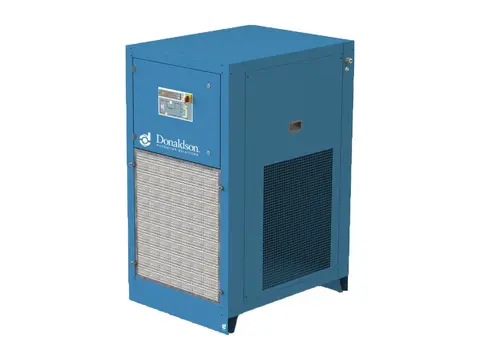
Dry, condensate-free air for your plant, with no compressed air spent drying.
View product -
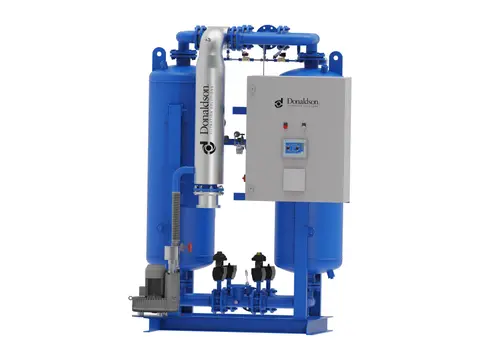
Heated Desiccant Dryers
Deep, stable dew points for your air, with heat doing the regeneration.
View product -
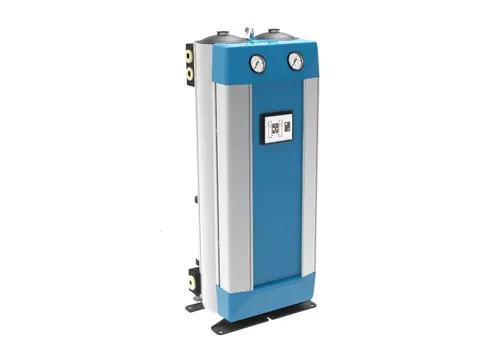
Heatless Desiccant Dryers
Deep dew points without heaters, for hazardous areas and remote sites.
View product -
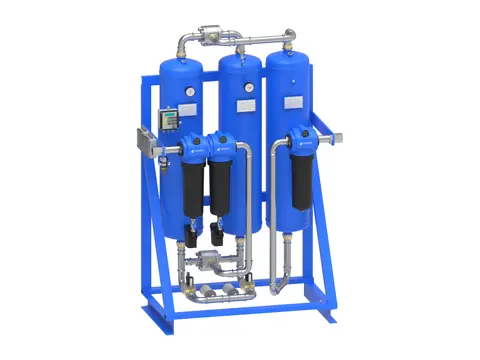
Breathing Air Systems
Your plant’s compressed air, made safe to breathe.
View product -
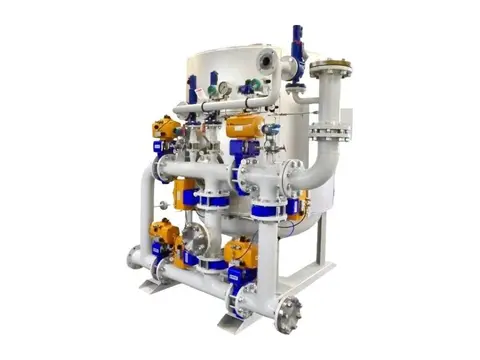
Hydrogen Dryers & De-Oxo Units
Electrolytic hydrogen purified of oxygen and water, ready for fuel cells.
View product -
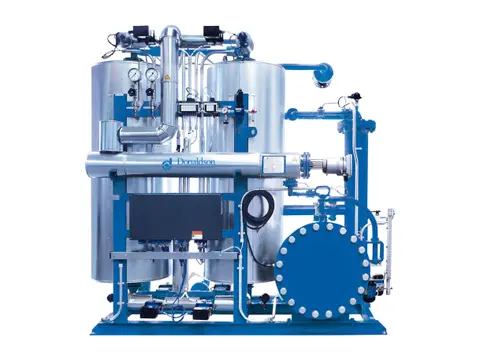
Biogas & Natural Gas Dryers
Dry, condensate-free fuel gas for your engines, boilers and upgrading plant.
View product -
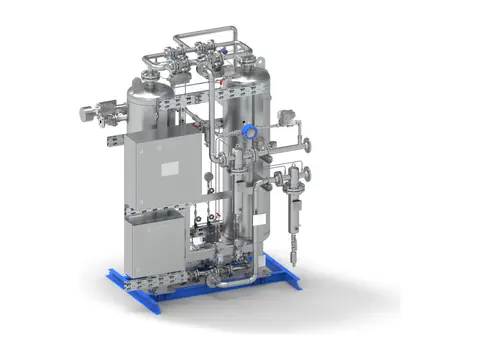
CO₂ Dryers
Beverage-grade dry CO₂ for your recovery plant, with no gas vented.
View product -
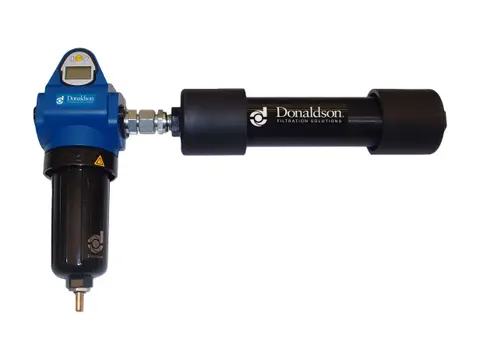
Membrane Dryers
Dry air at the point of use, with no power and no moving parts.
View product
-
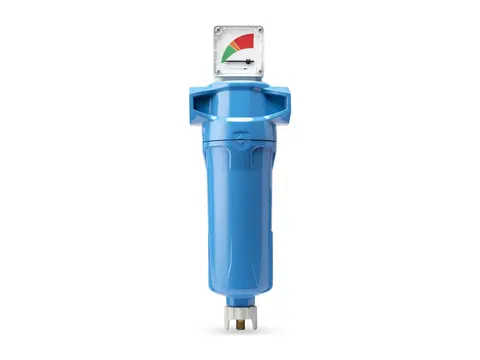
Coalescing Filters
Takes oil and water aerosols out of your air, down to 0.01 mg/m³.
View product -
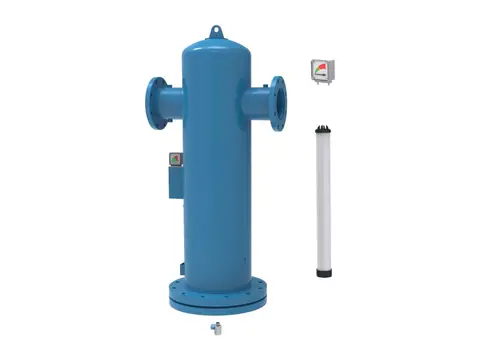
Particulate Filters
Dry, dust-free air for your plant, down to 0.01 µm particles.
View product -
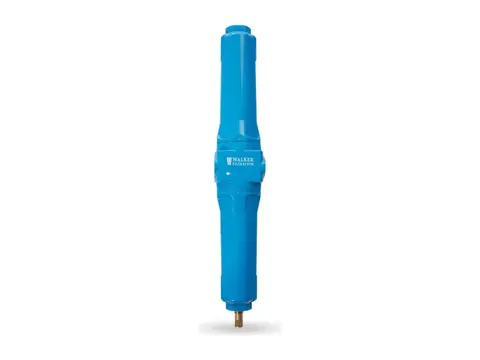
Compressed Air Duplex Filters
Change filter elements without interrupting your air supply.
View product -
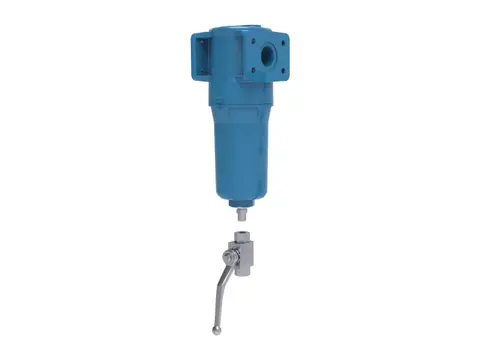
High Pressure Filters
Certified air purity for your high-pressure lines, up to 350 bar g.
View product -
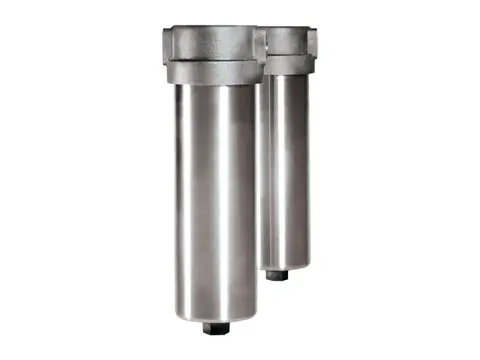
High Temperature Filters
Particle-free compressed air and gas where your process runs hot.
View product -
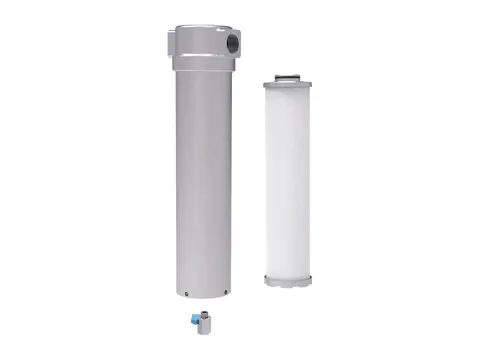
Ammonia and Refrigerant Filters
Keeps compressor oil out of your condensers and evaporators.
View product -
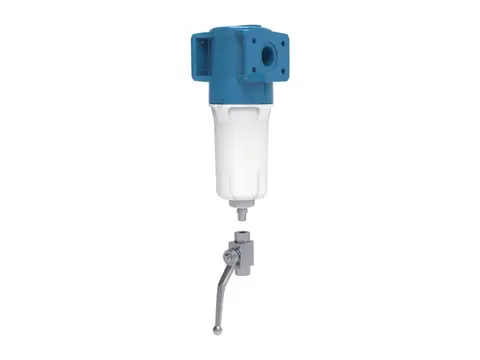
Oxygen Filters
Particle-free oxygen for your system, without adding an ignition source.
View product -
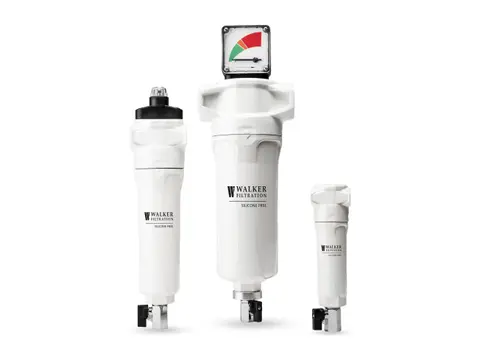
Silicone-Free Filters
Crater-free paint finishes, from air free of paint-wetting contaminants.
View product -
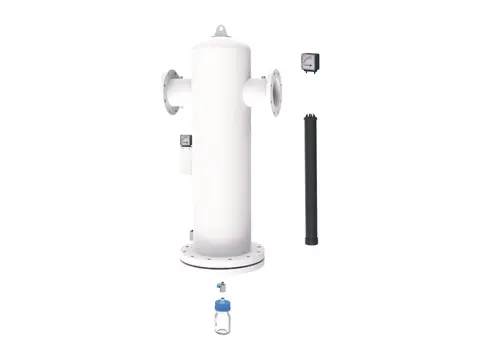
Medical Vacuum Filters
Keeps pathogens from hospital suction away from your pumps and exhaust.
View product -
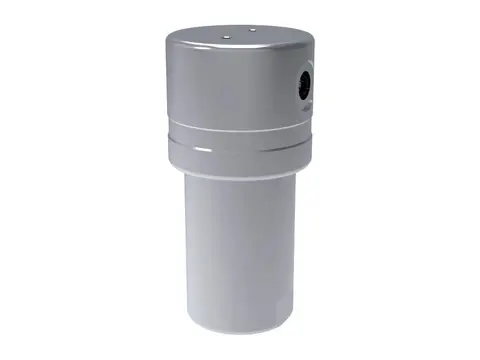
Hydrogen Filters
Particle, aerosol and oil-free hydrogen, from electrolyser to dispenser.
View product -
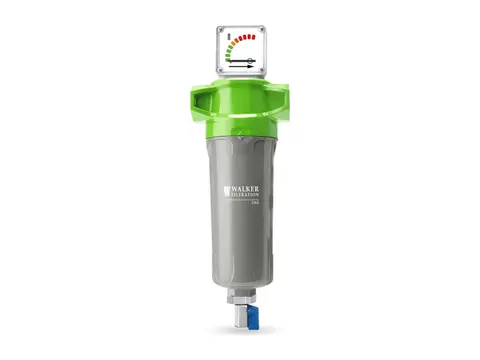
CNG Filters
Oil-free, particle-free natural gas from your compressor to the vehicle.
View product
-
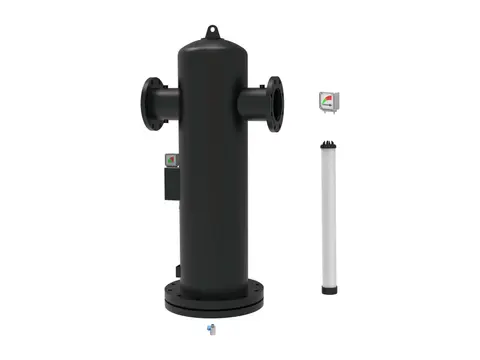
Centrifugal Moisture Separators
Bulk liquid out of your air by centrifugal force, with no element to replace.
View product -
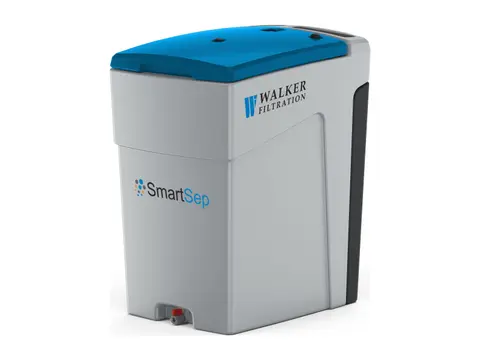
Oil Water Separator
Turns oily compressor condensate into water fit for sewer discharge.
View product -
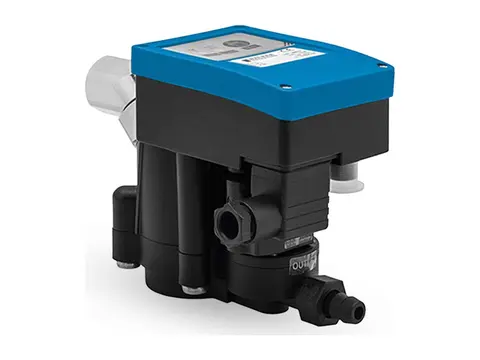
Zero-Loss Electronic Drain
Discharges every drop of condensate from your system, never your compressed air.
View product -
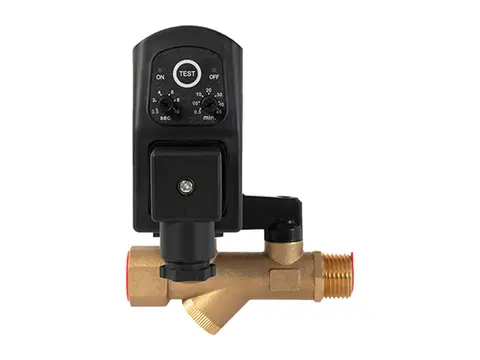
Timer Drain
Scheduled, positive condensate discharge from any collection point in your system.
View product -
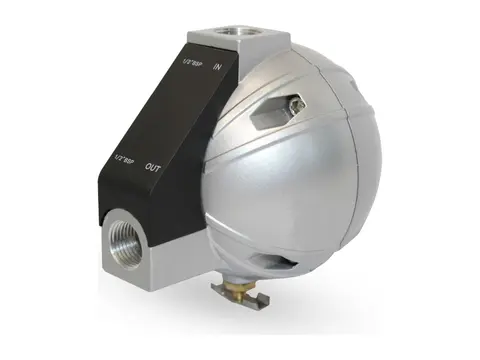
Mechanical Float Drain
Buoyancy-driven condensate removal with no power and no air loss.
View product -
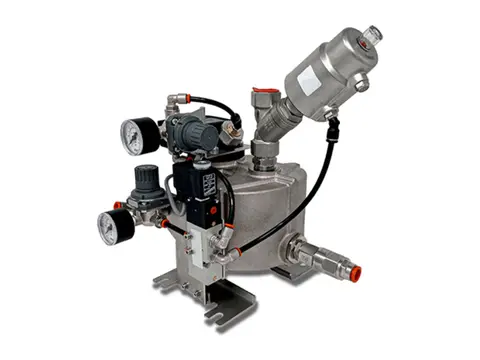
Vacuum Drain
Empties liquid from your vacuum system without breaking the vacuum.
View product
-
Crane Air Conditioner
Cool, clean cabins and electrical rooms for cranes working in extreme heat.
View product -
Tent Air Conditioner
Controlled climate for your tents, shelters and temporary structures.
View product -
Panel Air Conditioner
Cool, clean, dry control panels, even in your hottest, dirtiest plant areas.
View product -
Air / Water Cooled Air Conditioner
Stable room temperatures for your electrical rooms in extreme plant heat.
View product
-
Compressed Air Quality Measurement
Prove your air's ISO 8573-1 purity: particles, oil and dew point.
View product -
Digital Thickness Meter
Measure the metal left in your receivers and pipework, from the outside.
View product -
Dew Point Meter
Proof your air is dry, measured at line pressure.
View product -
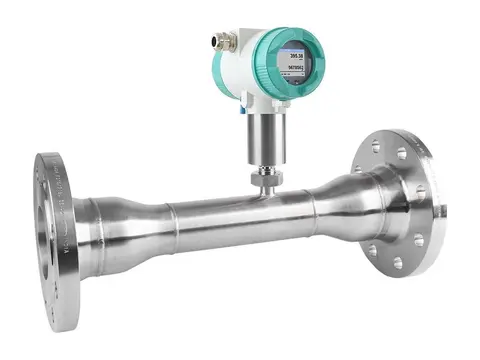
Flow Meter
True standard flow of your compressed air, whatever the line pressure.
View product -
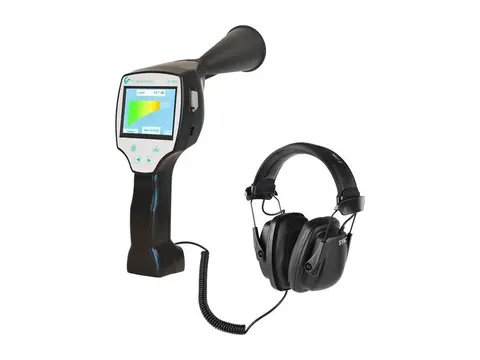
Leak Detector
Hear, locate and cost every compressed air leak in your plant.
View product -
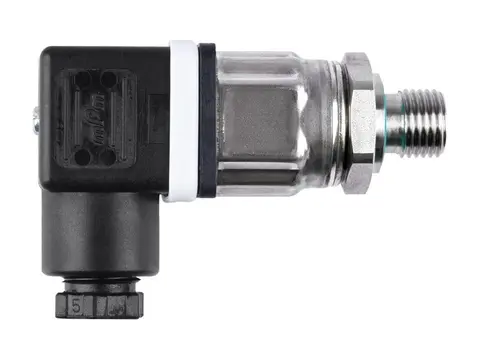
Pressure Sensor
Live pressure data from your compressor room to every point of use.
View product -
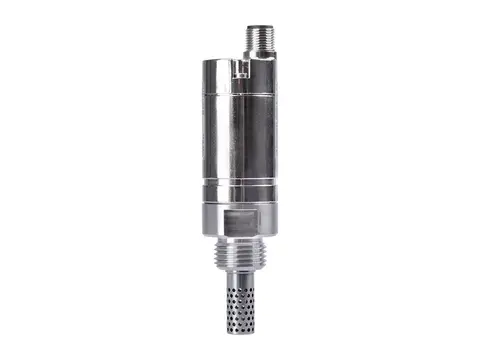
Humidity Meter
Humidity, temperature and dew point from one probe.
View product -
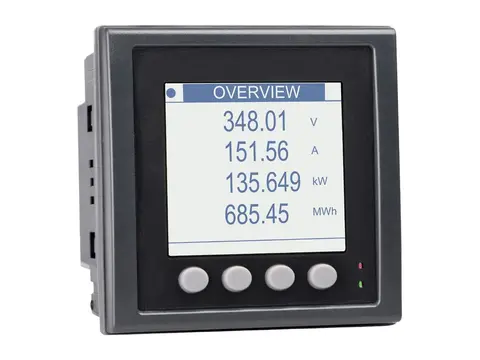
Power Meter
Measure the true power, energy and efficiency of your compressors.
View product
-
Health Testing of Compressed Air & Gas Dryers
Measured proof your dryer delivers its rated dew point.
View service -
Commissioning and Service of Compressed Air & Gas Dryers
Verified dew point from first start-up through your dryer's service life.
View service -
Compressed Air Quality Testing
Measured, documented proof of your compressed air purity class.
View service -
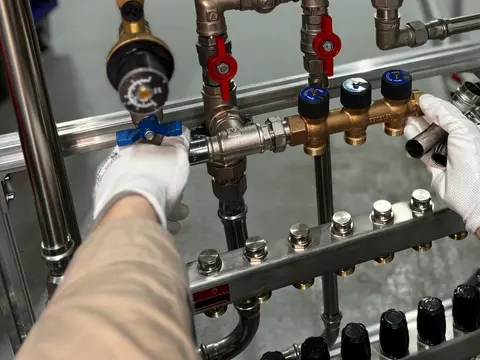
Dew Point Measurement Testing
Verified pressure dew point at the points that matter in your network.
View service -
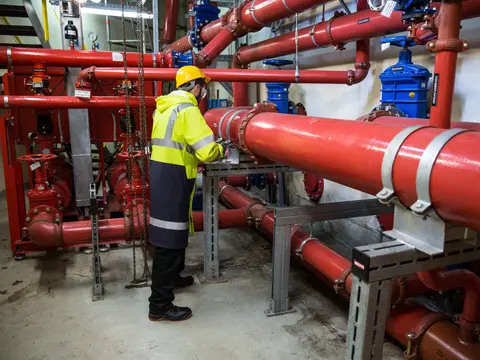
Compressed Air Flow Testing
Measured air demand, leakage and cost for your plant, not estimates.
View service -
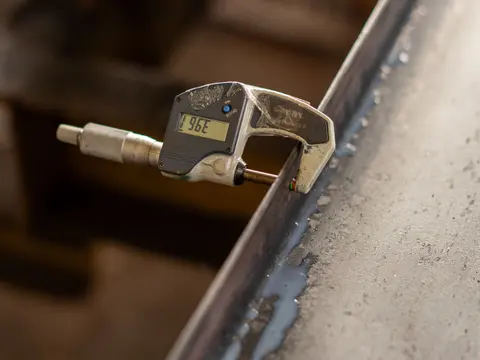
Wall Thickness Testing
Know the remaining wall, corrosion rate and safe life of your equipment.
View service -
Sourcing
Spares, consumables and whole systems for your plant, sourced globally.
View service
