
Compressed Air & Gas Filters
Hydrogen Filter
Clean hydrogen from electrolyser to dispenser, protecting the fuel cells, catalysts and seals that make it worth producing.
Product overview
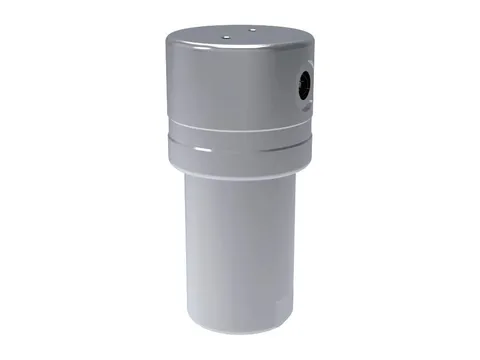
Particle, aerosol and oil-free hydrogen, at full pressure
Every hydrogen source carries contaminants: electrolyte mist and water from electrolysers, adsorbent and catalyst dust from dryers and purifiers, oil from lubricated compressors, and scale from cylinders, hoses and pipework. Our hydrogen filters remove the solid particles and liquid aerosols and, in the adsorption stage, the oil and hydrocarbon vapours.
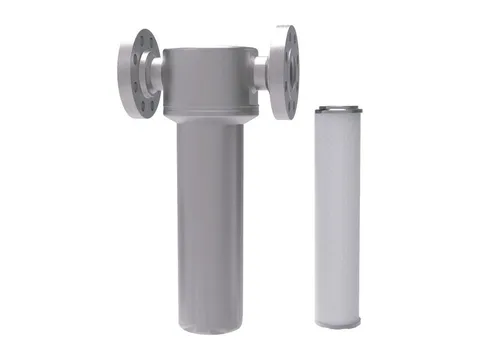
Coalescing filtration takes out water, potassium hydroxide (KOH) mist and oil aerosol, activated carbon holds oil and hydrocarbon vapour, and particulate filtration retains dust, fines and wear debris. They serve pressurised hydrogen lines from a few bar at an electrolyser outlet up to the 87.5 MPa maximum operating pressure of a 70 MPa vehicle dispenser.
Hydrogen ignites with as little as 0.017 mJ, permeates elastomer seals and embrittles susceptible metals, so every filter combines filtration performance with materials, seals, earthing and drain arrangements qualified for hydrogen service at its full design pressure.

- 87.5 MPaMaximum operating pressure of a 70 MPa dispenser
- 0.01 µmRetention of high-efficiency stages
- 1 mg/kgISO 14687:2019 Grade D particulate limit
- 0.017 mJEnergy that can ignite hydrogen
Benefits
The problems it solves
Fuel cells, catalysts and high-pressure seals tolerate very little contamination. Here is what reaches them without filtration, and how the filters stop it.
-
Damaged fuel cells
The problem
Potassium from electrolyser mist reduces membrane conductivity, oil films block catalyst sites, and particles puncture or abrade membranes.
How it solves it
Particulate and oil removal supports ISO 14687:2019 Grade D compliance and protects your membranes and platinum catalysts.
-
Leaking high-pressure seats
The problem
Gas expanding across a valve seat from 87.5 MPa reaches sonic velocity, and a particle in that jet erodes the seat until it leaks.
How it solves it
Clean gas keeps your valve seats, check valves and breakaway couplings sealing, reducing hydrogen leak sources.
-
Poisoned catalysts and adsorbents
The problem
Caustic droplets coat and deactivate de-oxo catalyst, and oil, particles or salts take hydrogenation catalysts out of service.
How it solves it
Coalescing ahead of your de-oxo unit and dryer keeps catalysts and adsorbents free of liquid and oil films for longer.
-
Worn compressors
The problem
Abrasive particles in the suction gas wear compressor valves and piston rings.
How it solves it
Filtered gas reduces valve and piston ring wear, lowering your compressor maintenance.
-
Risky element changes
The problem
Opening a housing that still contains hydrogen creates a flammable mixture exactly where the technician works.
How it solves it
Isolation valves, a nitrogen purge and a vent let you change an element without releasing hydrogen into the work area.
-
Ignition in hazardous areas
The problem
Particles and droplets moving at speed generate static charge, and a small spark from an unearthed housing can ignite escaping hydrogen.
How it solves it
A mechanical filter with bonded, earthed housings brings no electrical ignition source into your group IIC zones.
Where it’s used
From electrolyser to end use
Wherever hydrogen is made, compressed, stored or consumed, the filters sit close to the equipment they protect.
-

Refining, ammonia and methanol
Make-up hydrogen for hydrotreaters and hydrocrackers, and synthesis gas compressors and catalyst beds.
-
Metals
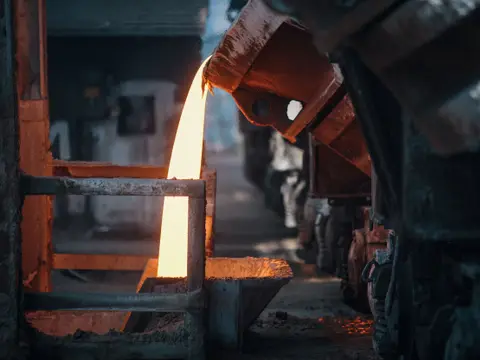
Bright annealing, powder sintering and direct reduction of iron ore.
-
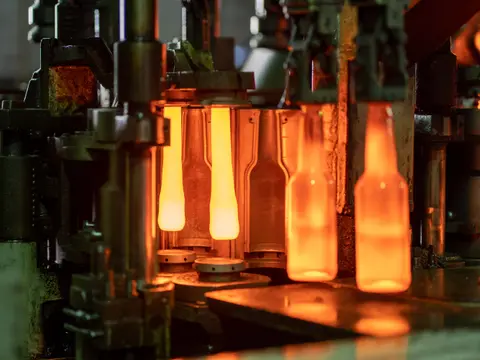
Glass
Nitrogen–hydrogen atmospheres in float glass tin baths.
-

Power generation
Filtered make-up hydrogen keeping the cooling gas clean in hydrogen-cooled turbo-generators.
-
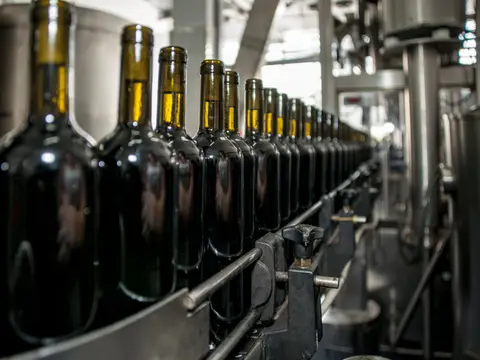
Food processing
Edible oil hydrogenation over nickel catalysts that sulphur and oil deposits deactivate.
-
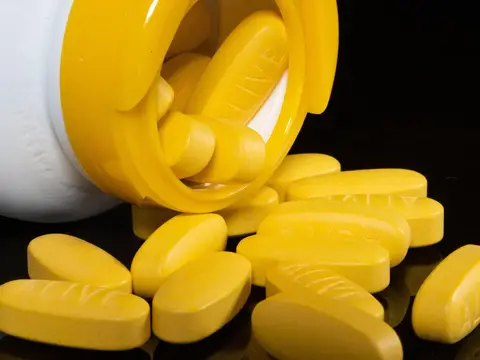
Pharmaceuticals and fine chemicals
Catalytic hydrogenation over palladium and platinum catalysts that need particle- and oil-free hydrogen.
Also hydrogen refuelling stations, PEM and alkaline electrolysis plants, fuel-cell mobility and stationary power, semiconductors and optical fibre, laboratories, gas networks, and welding and cutting.
How it works
Coalesce, adsorb, polish
Each stage removes one form of contamination, in the order that protects the stage after it, inside housings built for hydrogen at full pressure.
-
1. CoalesceHydrogen flows from the core of the element outward through the medium. Water droplets, KOH mist and oil aerosol are captured, merge into larger drops, drain to the sump and leave through the drain to closed collection.
-
2. AdsorbActivated carbon holds the oil and hydrocarbon vapours that pass the coalescer as gas. It always follows a coalescing stage, because liquid oil would block its pores.
-
3. Polish and checkA particulate filter retains carbon fines, adsorbent dust and pipe scale, typically to 1 µm or 0.01 µm. A sample point downstream lets you verify the gas against ISO 14687, whose Grade D limit for particulate is 1 mg/kg.
-
4. Earth every housingEach housing is bonded and earthed, because particles and droplets moving through a filter generate static charge, and hydrogen needs only 0.017 mJ to ignite.
-
5. Purge before serviceIsolation valves close, the housing is vented, and nitrogen pressure purging dilutes the hydrogen: three cycles to 10 bar absolute take it from 100 % to 0.1 %, far below the 4 % lower flammability limit.
Get the full details
Our brochure covers it in detail, and our questionnaire tells us what we need to recommend the right one for your plant.
Keep exploring
More from our range
Equipment for every stage of your compressed air, and our own engineers to test, commission and look after it.
-
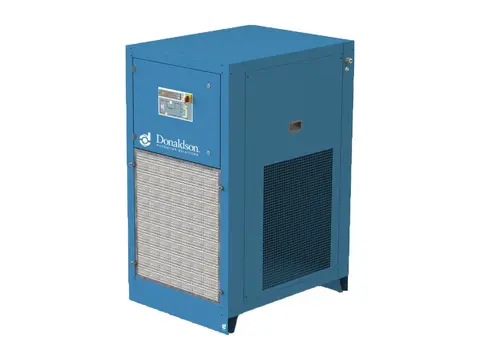
Refrigerated Air Dryers
Dry, condensate-free air for your plant, with no compressed air spent drying.
View product -
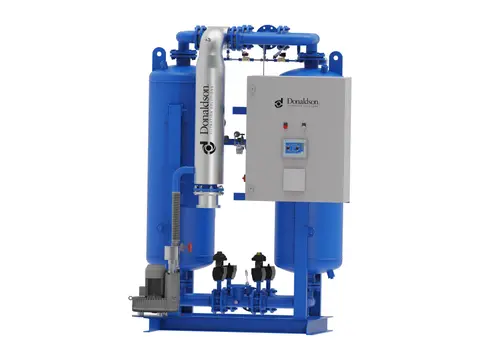
Heated Desiccant Dryers
Deep, stable dew points for your air, with heat doing the regeneration.
View product -
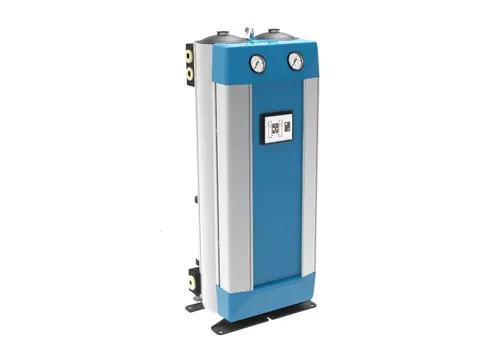
Heatless Desiccant Dryers
Deep dew points without heaters, for hazardous areas and remote sites.
View product -
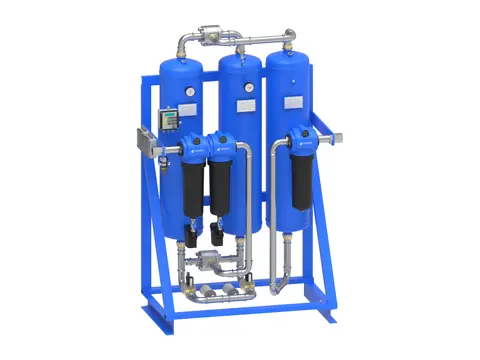
Breathing Air Systems
Your plant’s compressed air, made safe to breathe.
View product -
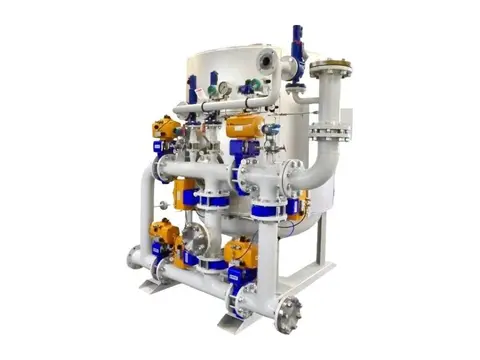
Hydrogen Dryers & De-Oxo Units
Electrolytic hydrogen purified of oxygen and water, ready for fuel cells.
View product -
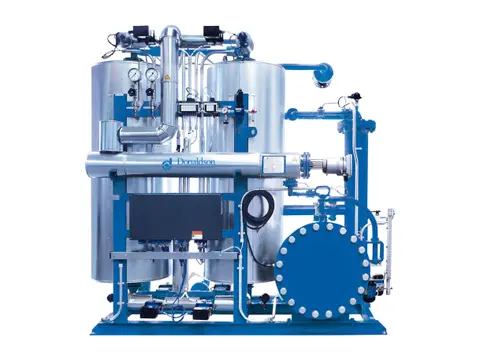
Biogas & Natural Gas Dryers
Dry, condensate-free fuel gas for your engines, boilers and upgrading plant.
View product -
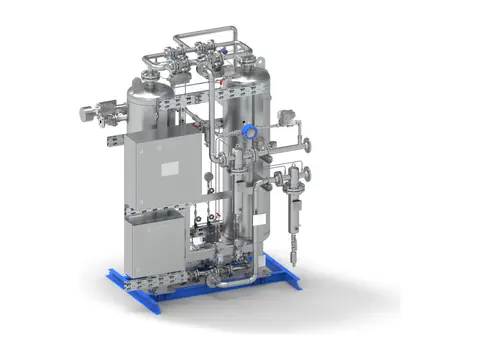
CO₂ Dryers
Beverage-grade dry CO₂ for your recovery plant, with no gas vented.
View product -
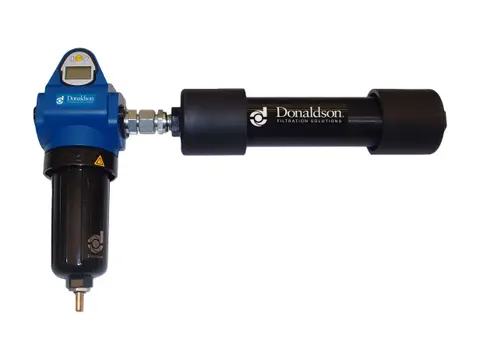
Membrane Dryers
Dry air at the point of use, with no power and no moving parts.
View product
-
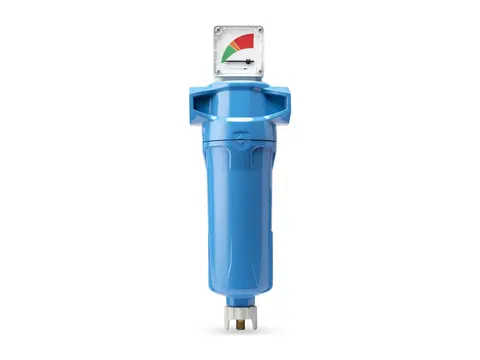
Coalescing Filters
Takes oil and water aerosols out of your air, down to 0.01 mg/m³.
View product -
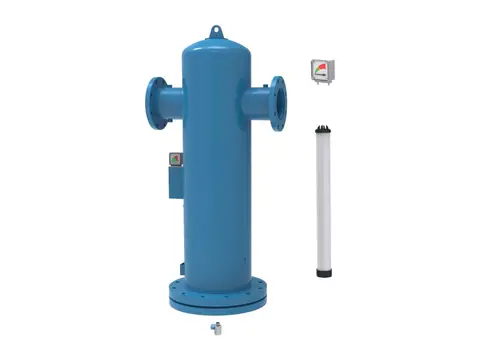
Particulate Filters
Dry, dust-free air for your plant, down to 0.01 µm particles.
View product -
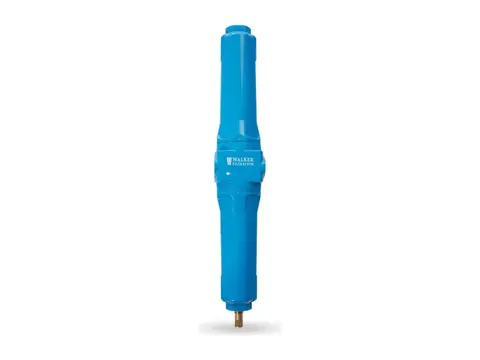
Compressed Air Duplex Filters
Change filter elements without interrupting your air supply.
View product -
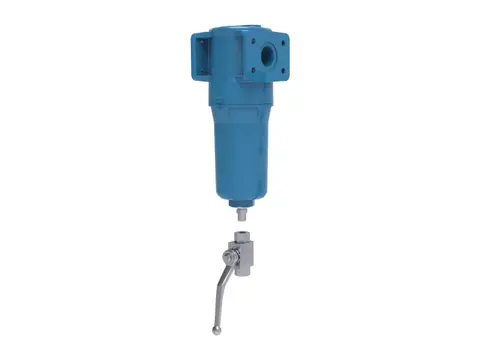
High Pressure Filters
Certified air purity for your high-pressure lines, up to 350 bar g.
View product -
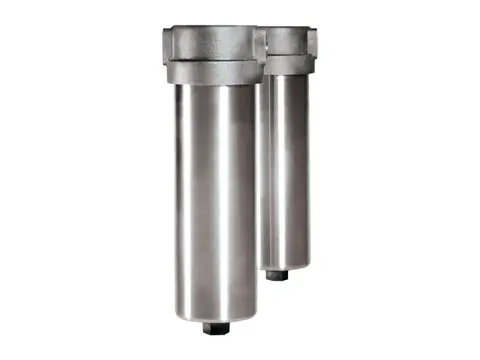
High Temperature Filters
Particle-free compressed air and gas where your process runs hot.
View product -
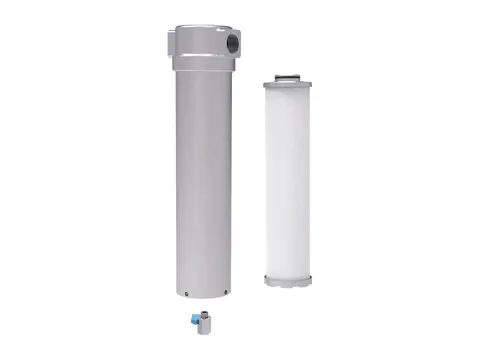
Ammonia and Refrigerant Filters
Keeps compressor oil out of your condensers and evaporators.
View product -
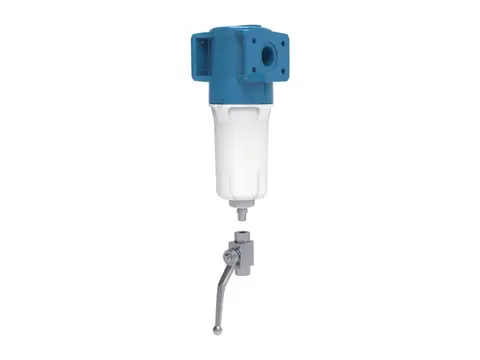
Oxygen Filters
Particle-free oxygen for your system, without adding an ignition source.
View product -
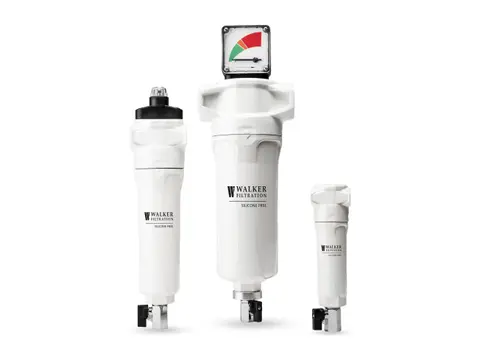
Silicone-Free Filters
Crater-free paint finishes, from air free of paint-wetting contaminants.
View product -
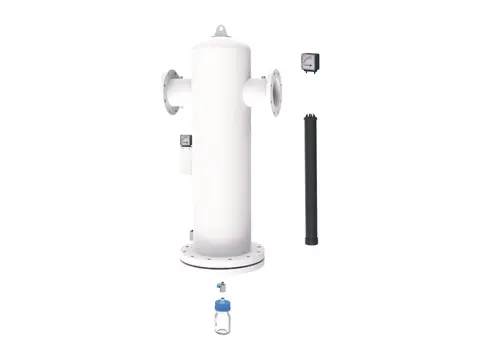
Medical Vacuum Filters
Keeps pathogens from hospital suction away from your pumps and exhaust.
View product -
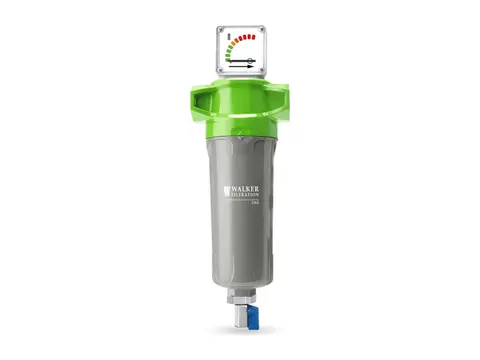
CNG Filters
Oil-free, particle-free natural gas from your compressor to the vehicle.
View product
-
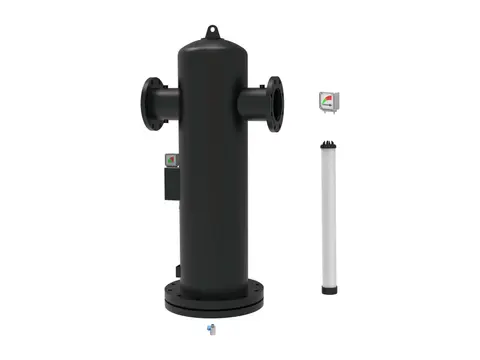
Centrifugal Moisture Separators
Bulk liquid out of your air by centrifugal force, with no element to replace.
View product -
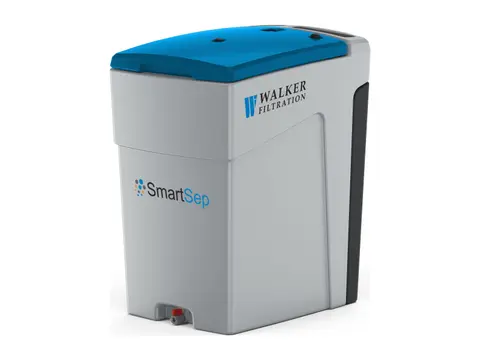
Oil Water Separator
Turns oily compressor condensate into water fit for sewer discharge.
View product -
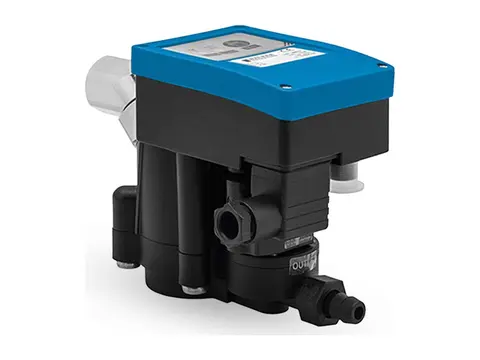
Zero-Loss Electronic Drain
Discharges every drop of condensate from your system, never your compressed air.
View product -
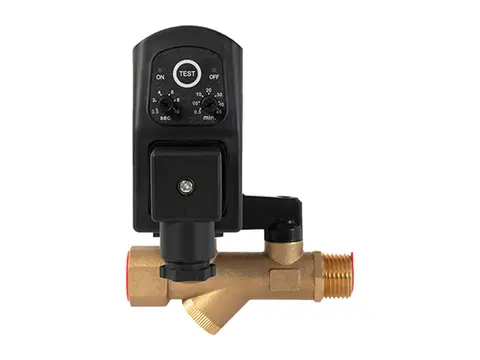
Timer Drain
Scheduled, positive condensate discharge from any collection point in your system.
View product -
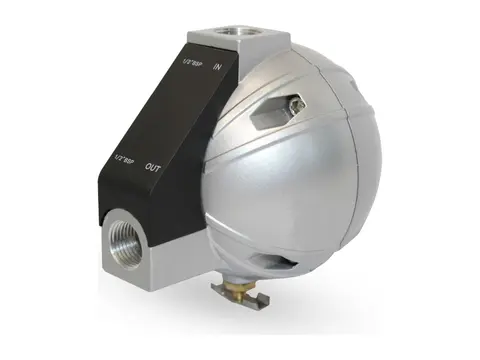
Mechanical Float Drain
Buoyancy-driven condensate removal with no power and no air loss.
View product -
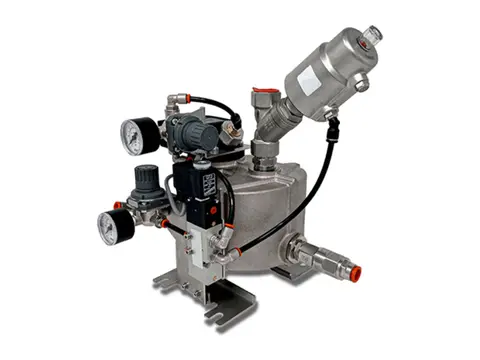
Vacuum Drain
Empties liquid from your vacuum system without breaking the vacuum.
View product
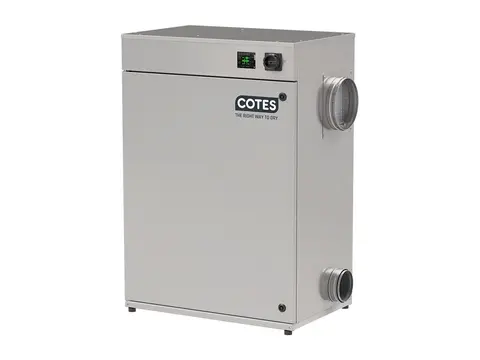
-
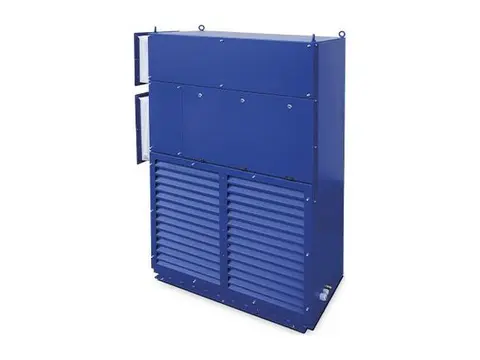
Crane Air Conditioner
Cool, clean cabins and electrical rooms for cranes working in extreme heat.
View product -
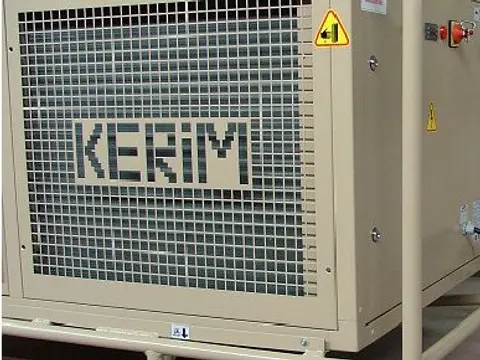
Tent Air Conditioner
Controlled climate for your tents, shelters and temporary structures.
View product -
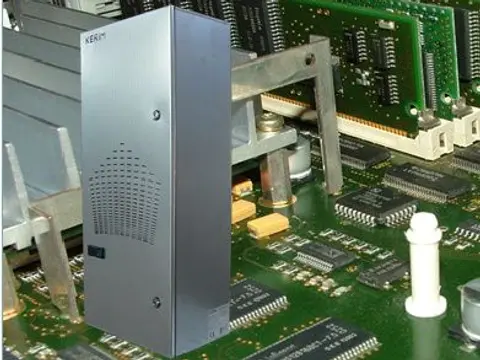
Panel Air Conditioner
Cool, clean, dry control panels, even in your hottest, dirtiest plant areas.
View product -
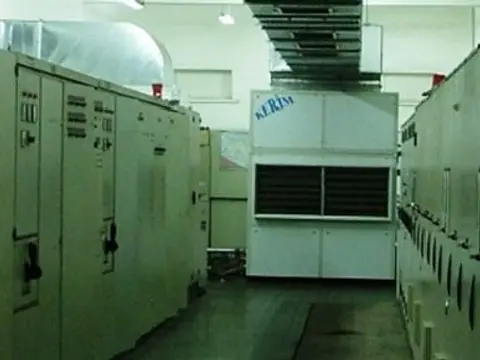
Air / Water Cooled Air Conditioner
Stable room temperatures for your electrical rooms in extreme plant heat.
View product
-
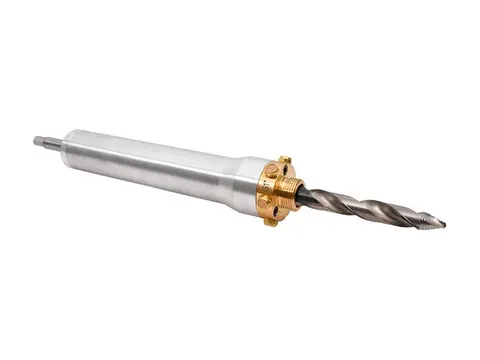
Hot Tapping
Add measurement ports to your live air lines without stopping production.
View product -
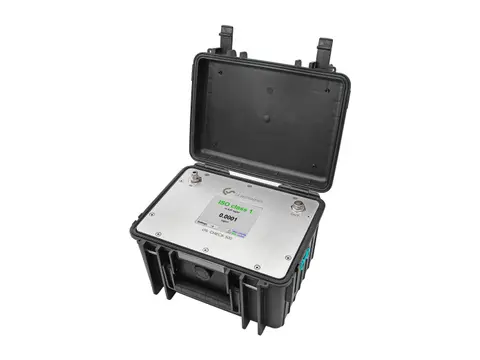
Compressed Air Quality Measurement
Prove your air's ISO 8573-1 purity: particles, oil and dew point.
View product -
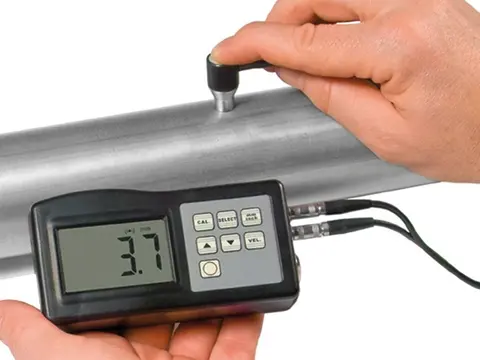
Digital Thickness Meter
Measure the metal left in your receivers and pipework, from the outside.
View product -
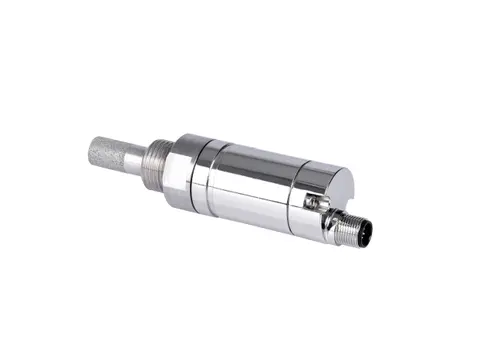
Dew Point Meter
Proof your air is dry, measured at line pressure.
View product -
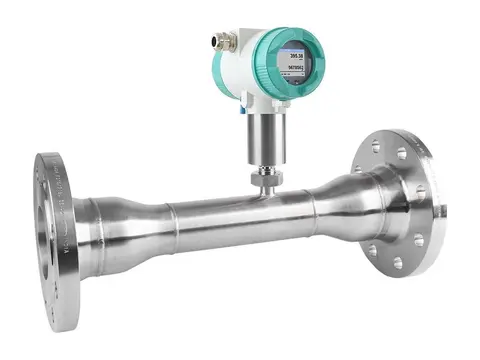
Flow Meter
True standard flow of your compressed air, whatever the line pressure.
View product -
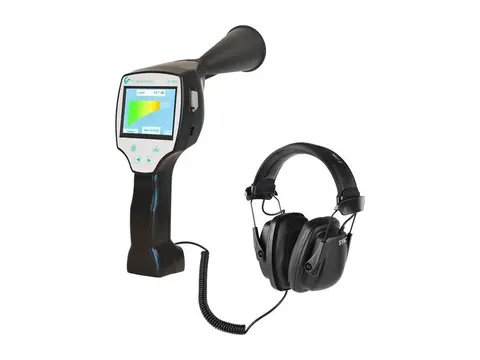
Leak Detector
Hear, locate and cost every compressed air leak in your plant.
View product -
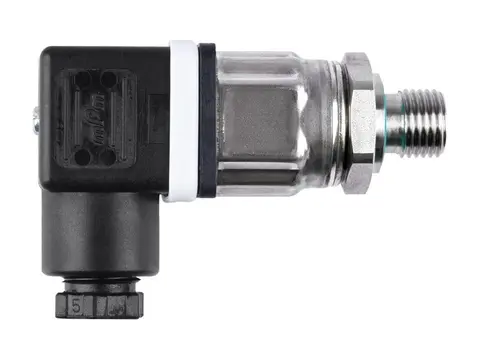
Pressure Sensor
Live pressure data from your compressor room to every point of use.
View product -
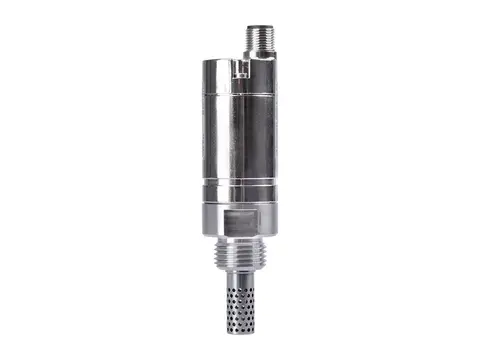
Humidity Meter
Humidity, temperature and dew point from one probe.
View product -
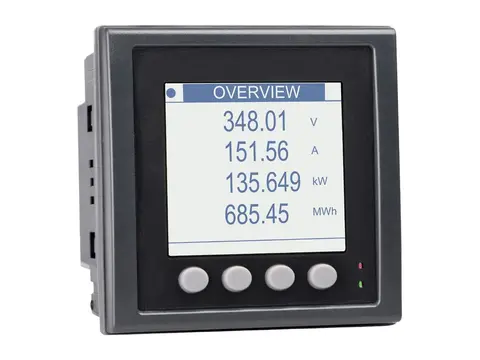
Power Meter
Measure the true power, energy and efficiency of your compressors.
View product
-
Health Testing of Compressed Air & Gas Dryers
Measured proof your dryer delivers its rated dew point.
View service -
Commissioning and Service of Compressed Air & Gas Dryers
Verified dew point from first start-up through your dryer's service life.
View service -
Compressed Air Quality Testing
Measured, documented proof of your compressed air purity class.
View service -
Dew Point Measurement Testing
Verified pressure dew point at the points that matter in your network.
View service -
Compressed Air Flow Testing
Measured air demand, leakage and cost for your plant, not estimates.
View service -
Wall Thickness Testing
Know the remaining wall, corrosion rate and safe life of your equipment.
View service -
Sourcing
Spares, consumables and whole systems for your plant, sourced globally.
View service
