
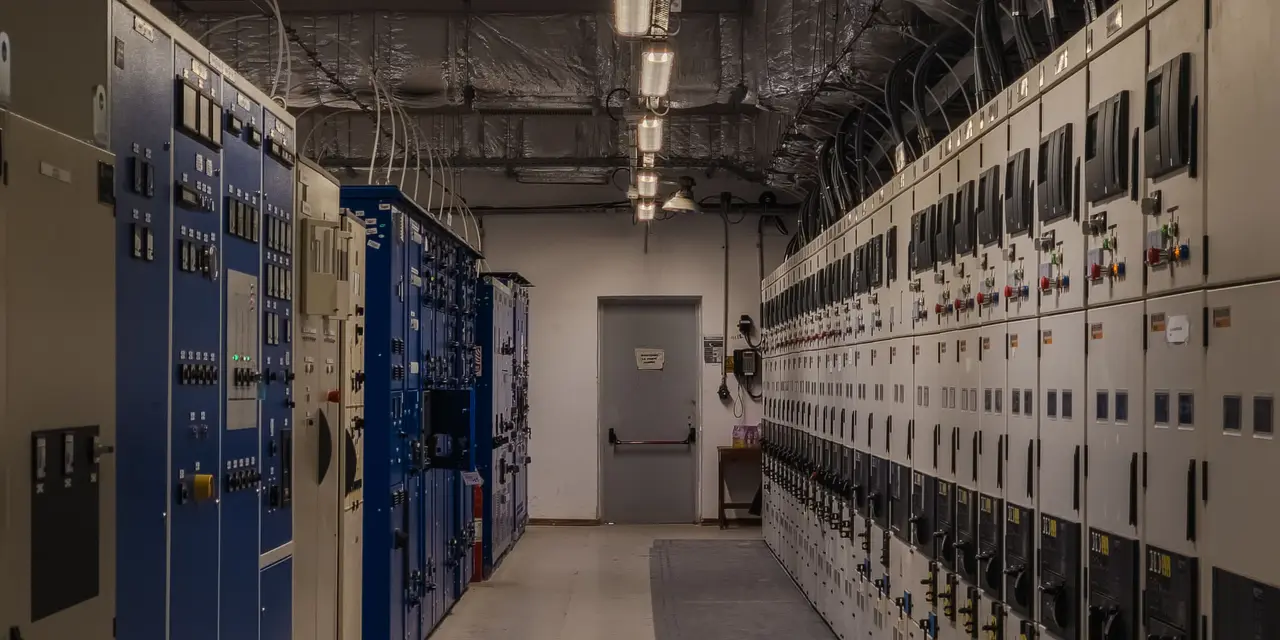
Industrial Air Conditioners
Crane Air Conditioner
A cool, clear cabin for your operator and cool, clean drives for your crane, however hot the plant around them runs.
Product overview
Cool cabins and drive rooms, right where the heat is
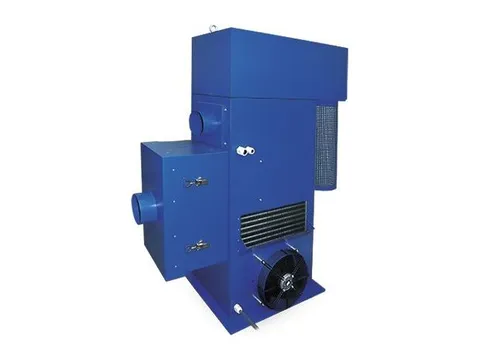
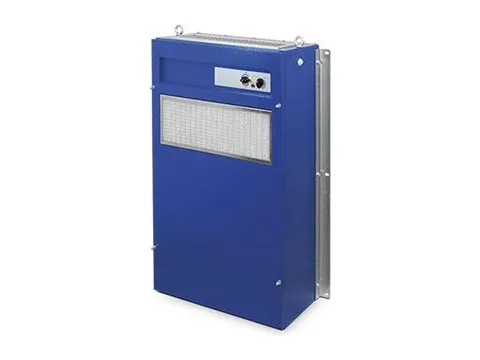
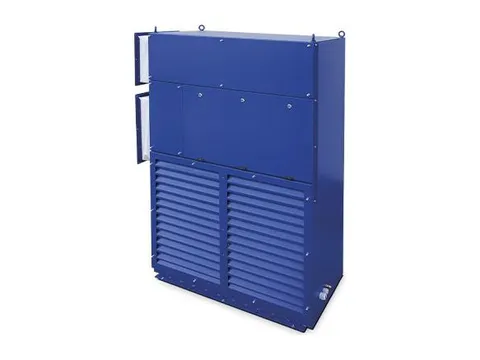
Our crane air conditioner is a self-contained cooling unit that mounts on the roof or rear wall of your operator cabin or crane electrical room, and travels with the crane along the runway, trolley girder or boom. It needs only an electrical supply from the crane, with no ducts or chilled water lines to follow the crane's movement.
It keeps two air streams apart. Your cabin air circulates across the cold evaporator and comes back cooler and drier, while outside air carries the heat away across the condenser. Only a metered, filtered quantity of fresh air enters, enough to ventilate the cabin and hold it at a slight positive pressure, so outside dust, fumes and moisture stay out.
It is built to deliver its rated cooling at high ambient temperature, to keep working with its intake exposed to dust, and to tolerate the shock, sway and vibration of a working crane without refrigerant leaks.
- 50 °C or moreOutside air it rejects heat to
- 24–26 °CCabin held near, for a full shift
- 40 °CCommon drive rating it keeps you within
- About 0.7 kg/hWater taken from 50 m³/h of humid fresh air
Benefits
The problems it solves
A crane cabin is small, glazed on several sides and sits above heat, dust or salt. Here is what that does to your operator and your drives, and how the air conditioner stops it.
-
Heat-stressed operators
The problem
Heat stress reduces concentration and lengthens reaction time, while your operator lifts ladles of liquid metal or loads over people.
How it solves it
A cabin held near 24–26 °C with moderate humidity lets your operator work a full shift without accumulating heat strain.
-
Drives tripping mid-lift
The problem
Drives are commonly rated for 40 °C and derated above it, and an over-temperature trip stops the crane mid-lift.
How it solves it
The electrical room stays within the ambient limits of your drives and PLCs, so over-temperature stoppages do not interrupt production.
-
Electronics ageing fast
The problem
A common manufacturer rule is that electrolytic capacitor life halves for every 10 K rise in operating temperature.
How it solves it
Lower operating temperature slows capacitor ageing and other temperature-driven failures in your drives.
-
Conductive dust
The problem
Steel plant, coal and port dust absorbs moisture on circuit boards and forms leakage paths, causing tracking and flashover.
How it solves it
Recirculated, filtered air and positive pressure keep conductive and abrasive dust off your electronics and out of the operator's breathing zone.
-
Misted glazing
The problem
Humid air mists the inside of the cabin glazing and wets circuit boards when the crane parks overnight.
How it solves it
Air crossing the cold evaporator gives up its moisture, so the glazing stays clear and your operator sees the hook and load.
-
Salt and corrosive air
The problem
Coastal and industrial atmospheres fall in ISO 9223 corrosivity categories C4 and C5, attacking terminals, pins and relay contacts.
How it solves it
Enclosure air stays recirculated and filtered, which removes most of that exposure from your terminals and contacts.
Where it’s used
Wherever your cranes work in heat, dust or salt
The unit serves the operator cabin, the crane electrical room, or both on the same crane.
-
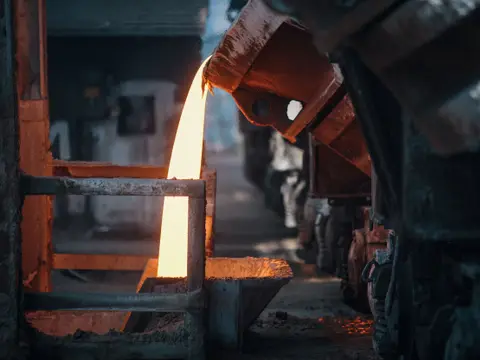
Steel plants and foundries
Ladle, charging and teeming cranes in melt shops, and slab, coil and billet cranes in rolling mills, above molten metal and hot product.
-

Cement plants
Clinker and raw material gantry and grab cranes near kilns and coolers.
-
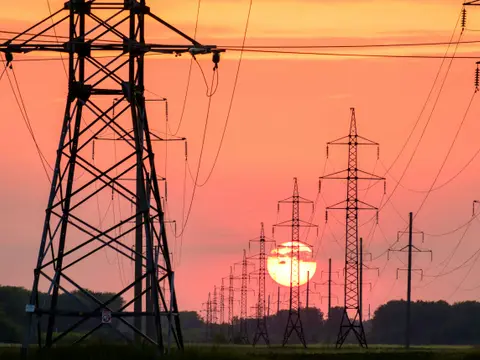
Power generation
Coal yard cranes, turbine hall cranes and ash handling cranes.
Also aluminium smelters, ports and container terminals, bulk material handling, glass manufacturing, shipyards, tower cranes on construction sites, pulp and paper, waste-to-energy plants, offshore and marine deck cranes, and mining and mineral processing.
How it works
Cool the cabin, reject the heat outside
A sealed refrigeration circuit lifts heat out of your cabin and releases it to outside air that is hotter than the cabin itself.
-
1. Cool and dry the cabin airWarm cabin air and filtered fresh air pass the filter and the evaporator, where refrigerant boils at 5 °C and about 3.5 bar absolute. The air cools below its dew point, its water condenses on the coil and drains away, and the fan sweeps the cool, dry air across the upper cabin and the windscreen.
-
2. CompressThe compressor draws in the refrigerant vapour and compresses it to about 18.9 bar absolute, a pressure ratio of about 5.4, raising its temperature well above the condensing temperature.
-
3. Reject the heat outsideThe condenser fan draws outside air across the hot coil, and the refrigerant condenses to liquid at 65 °C. At a real-cycle COP of 2.5, a unit delivering 3 kW of cooling rejects about 4.2 kW to outside air.
-
4. ExpandThe expansion valve drops the liquid back to the evaporating pressure. Part of it flashes to vapour and cools the rest to 5 °C, ready to take up heat again.
-
5. Keep the cabin sealedA sealed, insulated partition divides the cabin side from the outside side, so the two air streams exchange heat only through the refrigerant. A small flow of filtered fresh air keeps the cabin above ambient pressure, so dust and fumes cannot get in.
Figures for R134a evaporating at 5 °C and condensing at 65 °C.
Get the full details
Our brochure covers it in detail, and our questionnaire tells us what we need to recommend the right one for your plant.
Keep exploring
More from our range
Equipment for every stage of your compressed air, and our own engineers to test, commission and look after it.
-
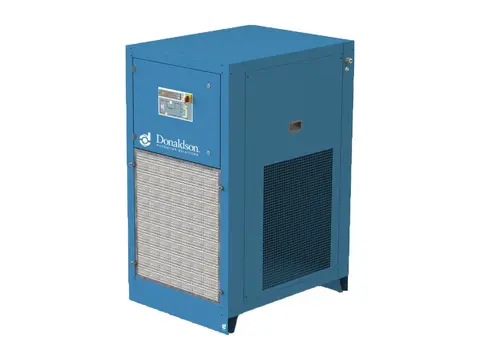
Refrigerated Air Dryers
Dry, condensate-free air for your plant, with no compressed air spent drying.
View product -
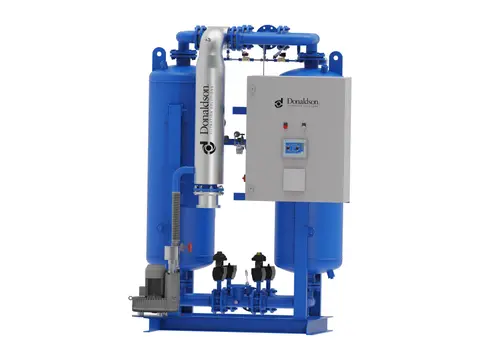
Heated Desiccant Dryers
Deep, stable dew points for your air, with heat doing the regeneration.
View product -
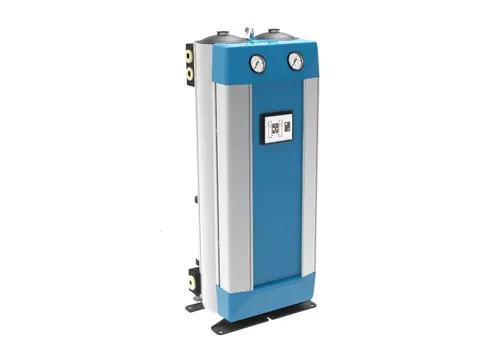
Heatless Desiccant Dryers
Deep dew points without heaters, for hazardous areas and remote sites.
View product -
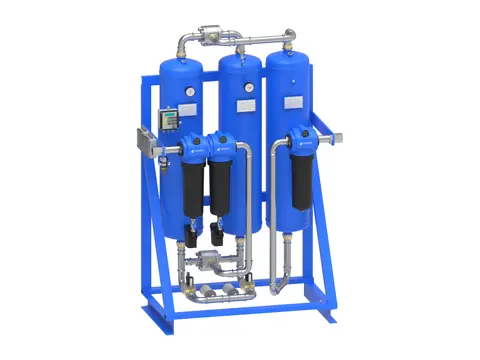
Breathing Air Systems
Your plant’s compressed air, made safe to breathe.
View product -
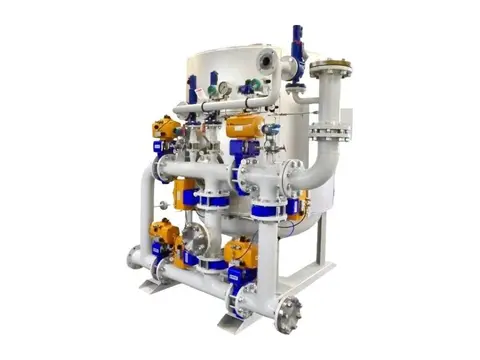
Hydrogen Dryers & De-Oxo Units
Electrolytic hydrogen purified of oxygen and water, ready for fuel cells.
View product -
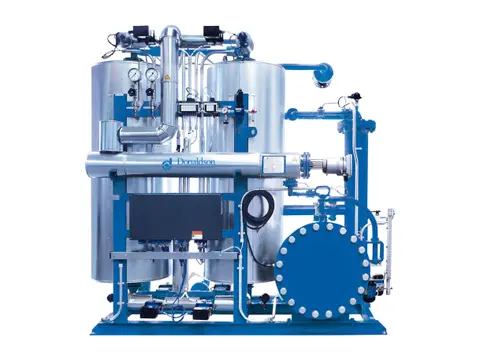
Biogas & Natural Gas Dryers
Dry, condensate-free fuel gas for your engines, boilers and upgrading plant.
View product -
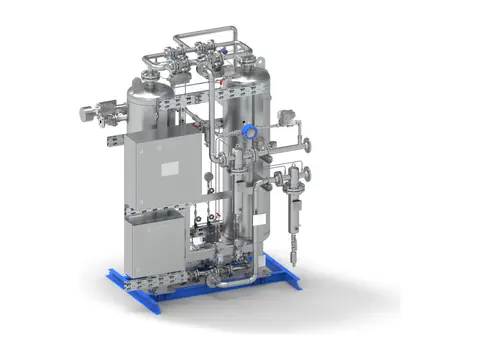
CO₂ Dryers
Beverage-grade dry CO₂ for your recovery plant, with no gas vented.
View product -
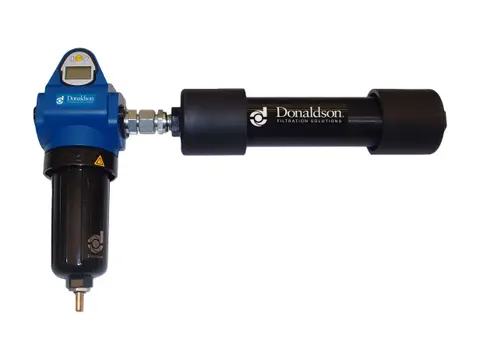
Membrane Dryers
Dry air at the point of use, with no power and no moving parts.
View product
-
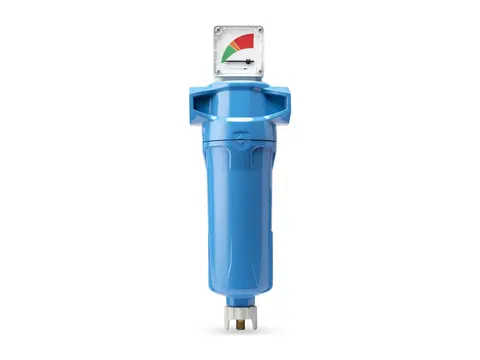
Coalescing Filters
Takes oil and water aerosols out of your air, down to 0.01 mg/m³.
View product -
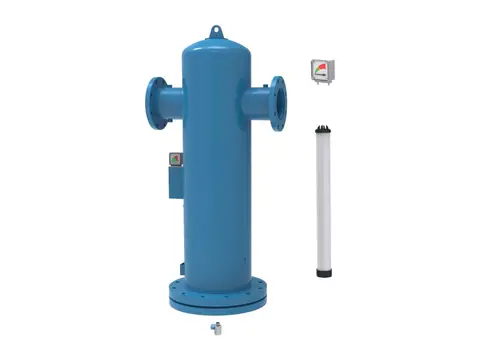
Particulate Filters
Dry, dust-free air for your plant, down to 0.01 µm particles.
View product -
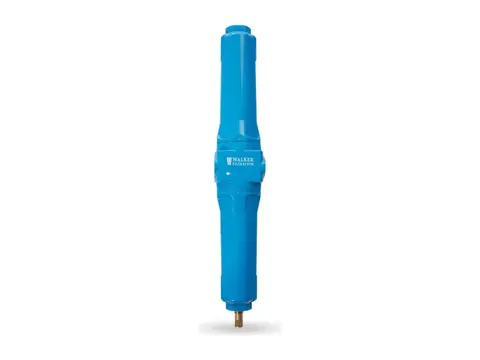
Compressed Air Duplex Filters
Change filter elements without interrupting your air supply.
View product -
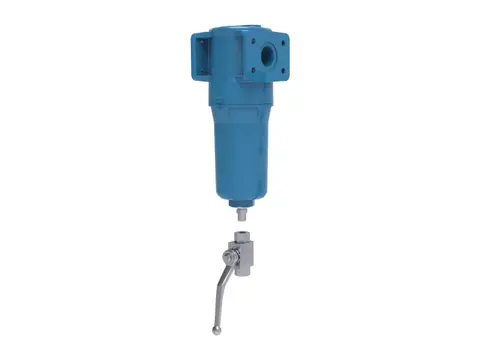
High Pressure Filters
Certified air purity for your high-pressure lines, up to 350 bar g.
View product -
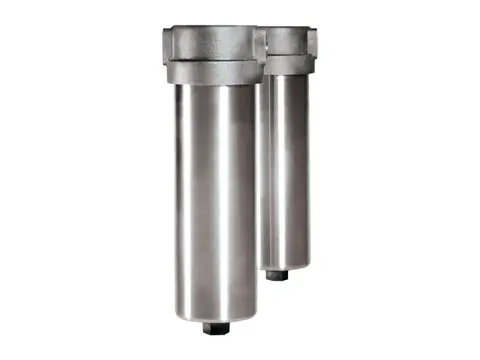
High Temperature Filters
Particle-free compressed air and gas where your process runs hot.
View product -
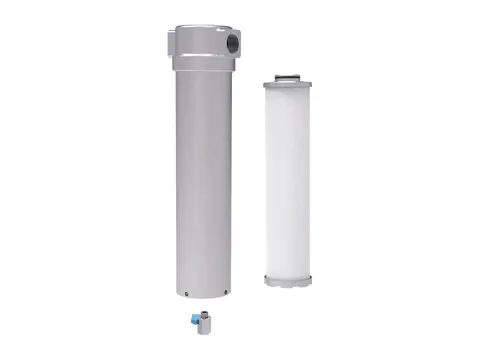
Ammonia and Refrigerant Filters
Keeps compressor oil out of your condensers and evaporators.
View product -
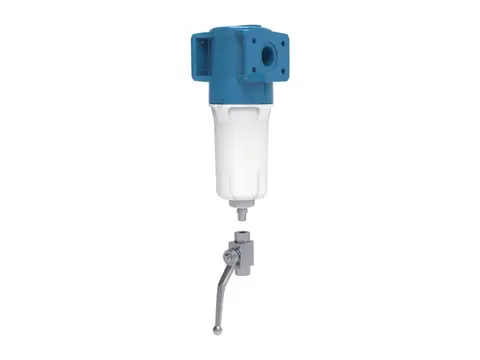
Oxygen Filters
Particle-free oxygen for your system, without adding an ignition source.
View product -
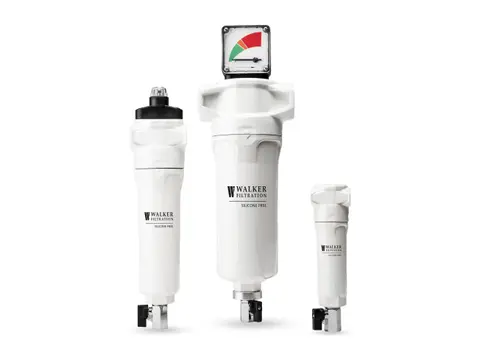
Silicone-Free Filters
Crater-free paint finishes, from air free of paint-wetting contaminants.
View product -
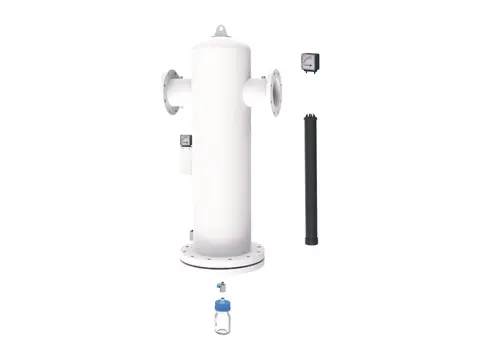
Medical Vacuum Filters
Keeps pathogens from hospital suction away from your pumps and exhaust.
View product -
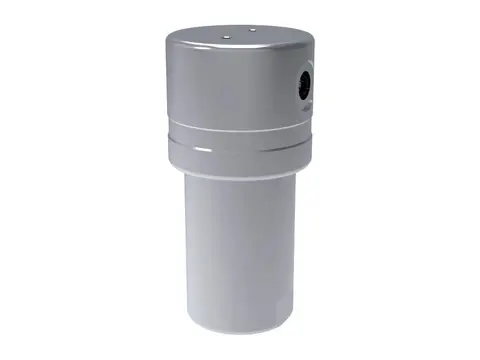
Hydrogen Filters
Particle, aerosol and oil-free hydrogen, from electrolyser to dispenser.
View product -
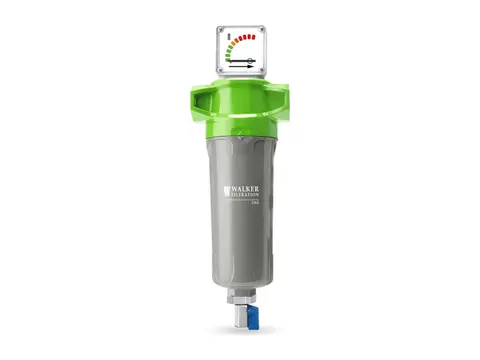
CNG Filters
Oil-free, particle-free natural gas from your compressor to the vehicle.
View product
-
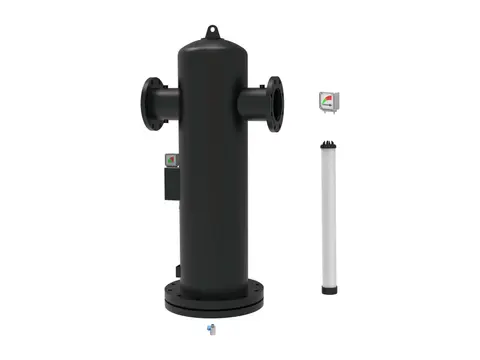
Centrifugal Moisture Separators
Bulk liquid out of your air by centrifugal force, with no element to replace.
View product -
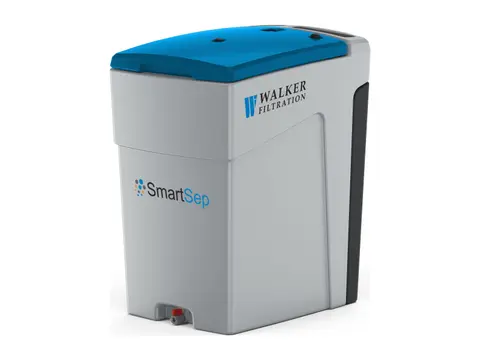
Oil Water Separator
Turns oily compressor condensate into water fit for sewer discharge.
View product -
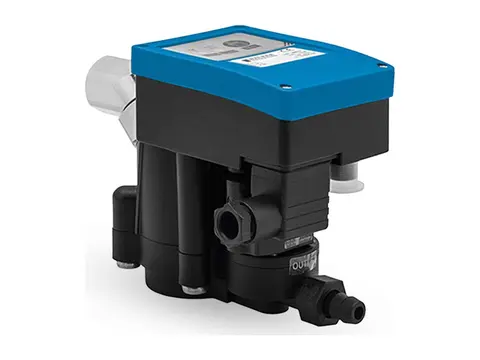
Zero-Loss Electronic Drain
Discharges every drop of condensate from your system, never your compressed air.
View product -
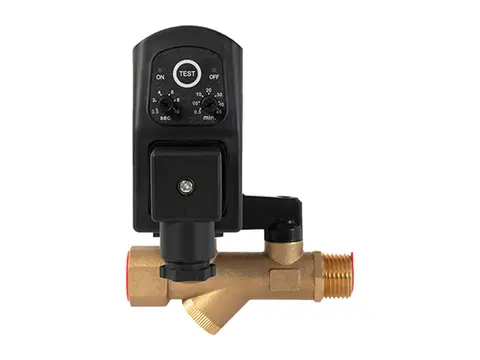
Timer Drain
Scheduled, positive condensate discharge from any collection point in your system.
View product -
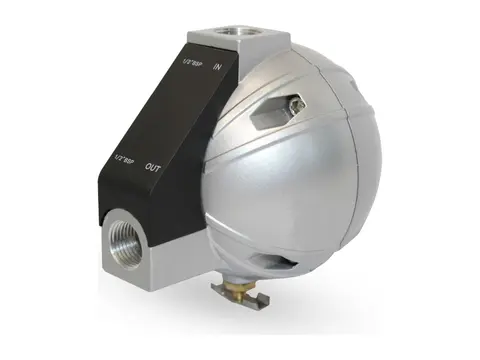
Mechanical Float Drain
Buoyancy-driven condensate removal with no power and no air loss.
View product -
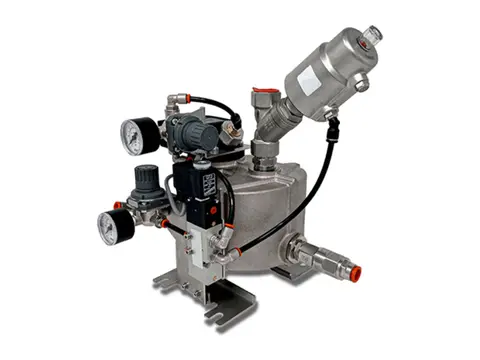
Vacuum Drain
Empties liquid from your vacuum system without breaking the vacuum.
View product
-
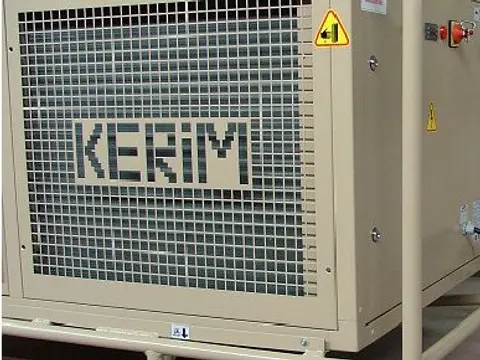
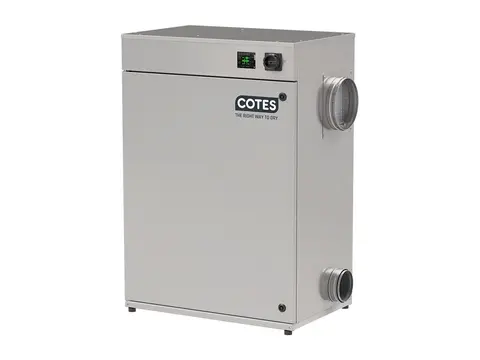
Tent Air Conditioner
Controlled climate for your tents, shelters and temporary structures.
View product -
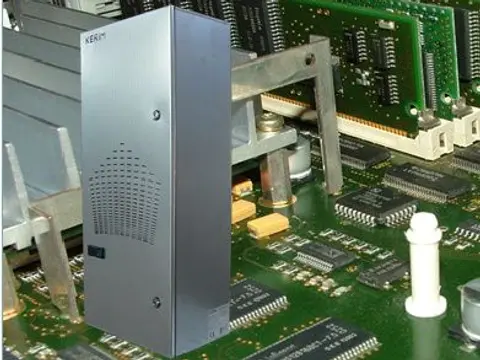
Panel Air Conditioner
Cool, clean, dry control panels, even in your hottest, dirtiest plant areas.
View product -
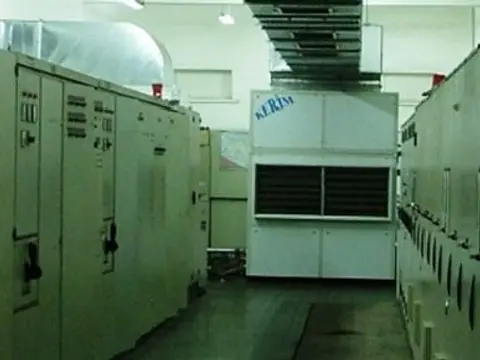
Air / Water Cooled Air Conditioner
Stable room temperatures for your electrical rooms in extreme plant heat.
View product
-
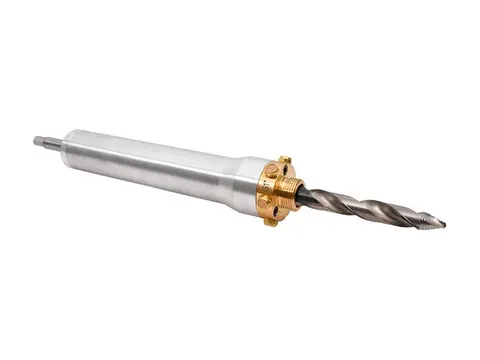
Hot Tapping
Add measurement ports to your live air lines without stopping production.
View product -
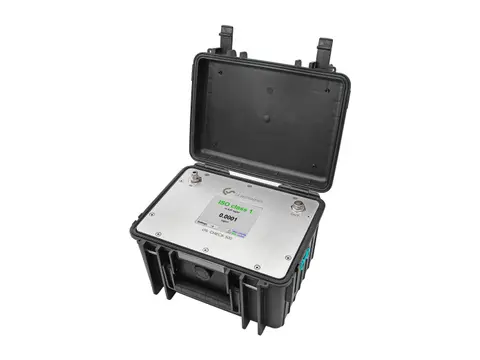
Compressed Air Quality Measurement
Prove your air's ISO 8573-1 purity: particles, oil and dew point.
View product -
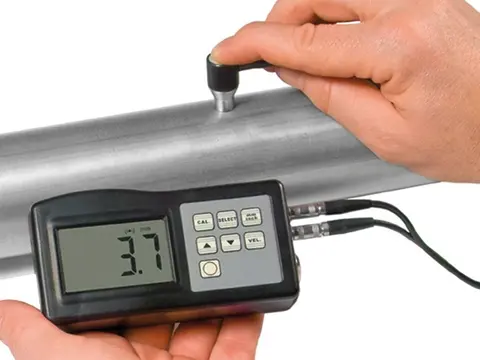
Digital Thickness Meter
Measure the metal left in your receivers and pipework, from the outside.
View product -
Dew Point Meter
Proof your air is dry, measured at line pressure.
View product -
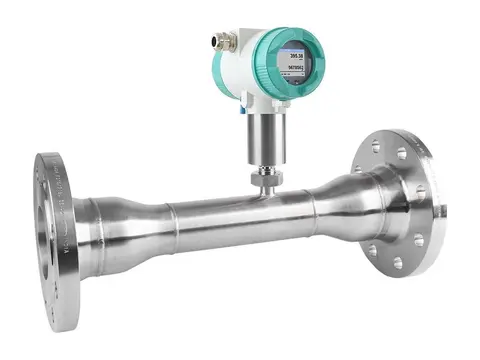
Flow Meter
True standard flow of your compressed air, whatever the line pressure.
View product -
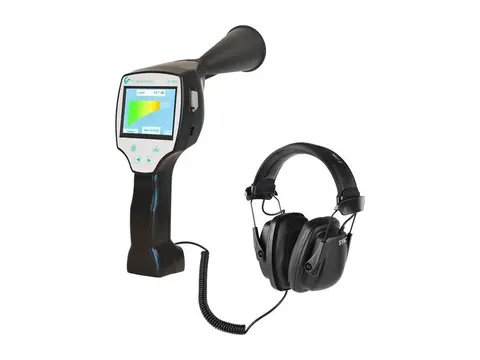
Leak Detector
Hear, locate and cost every compressed air leak in your plant.
View product -
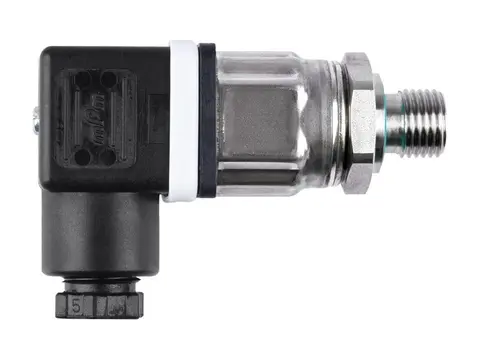
Pressure Sensor
Live pressure data from your compressor room to every point of use.
View product -
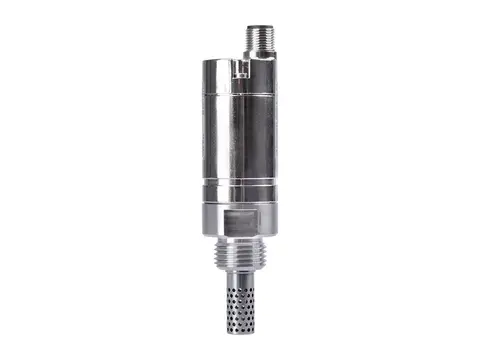
Humidity Meter
Humidity, temperature and dew point from one probe.
View product -
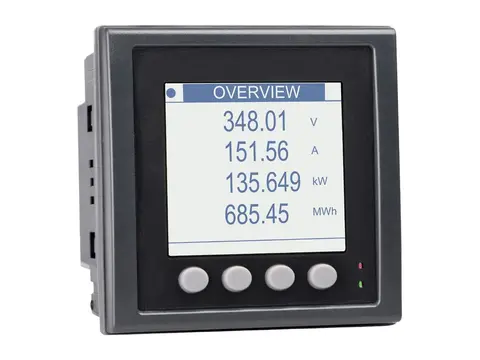
Power Meter
Measure the true power, energy and efficiency of your compressors.
View product
-
Health Testing of Compressed Air & Gas Dryers
Measured proof your dryer delivers its rated dew point.
View service -
Commissioning and Service of Compressed Air & Gas Dryers
Verified dew point from first start-up through your dryer's service life.
View service -
Compressed Air Quality Testing
Measured, documented proof of your compressed air purity class.
View service -
Dew Point Measurement Testing
Verified pressure dew point at the points that matter in your network.
View service -
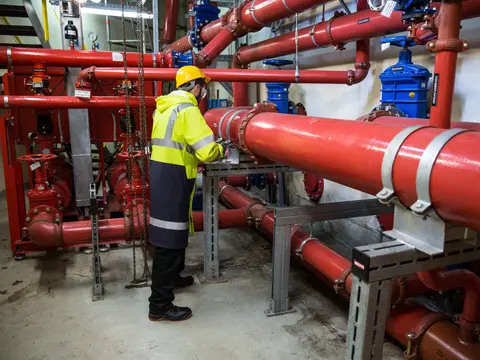
Compressed Air Flow Testing
Measured air demand, leakage and cost for your plant, not estimates.
View service -
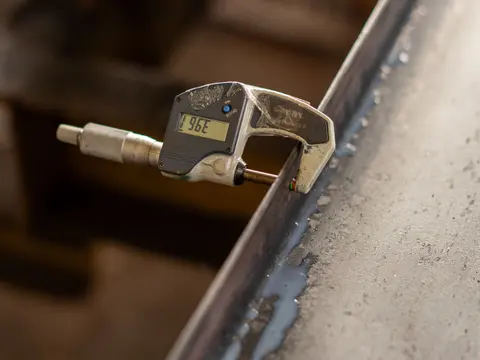
Wall Thickness Testing
Know the remaining wall, corrosion rate and safe life of your equipment.
View service -
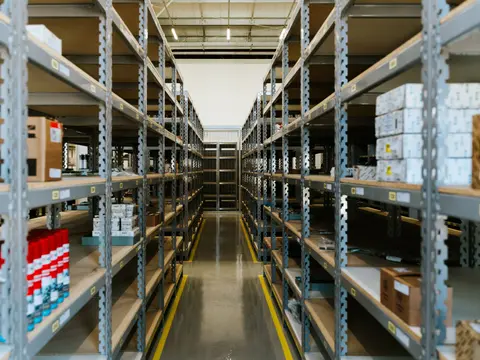
Sourcing
Spares, consumables and whole systems for your plant, sourced globally.
View service
