
Industrial Air Conditioners
Tent Air Conditioner
Comfortable, controlled air wherever you pitch a tent, from a desert command post to a wedding marquee.
Product overview
A controlled climate for your temporary structures
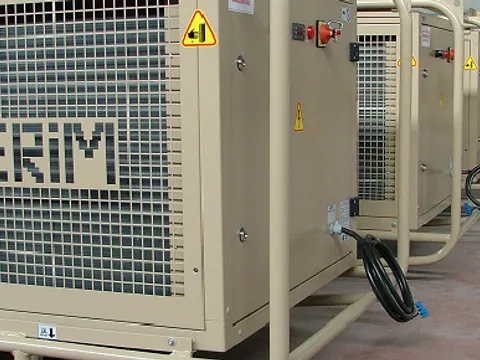
Our tent air conditioner is a self-contained, transportable unit that cools, dehumidifies and, in heat pump or heater-equipped versions, heats the air inside tents, fabric shelters, field hospitals, inflatable structures and other temporary buildings.
It stands outside the structure and connects to it through flexible supply and return ducts, so the refrigeration machinery, its noise and its heat stay outside your occupied space. A fresh-air inlet can admit a set share of outdoor air to ventilate occupants and keep the tent slightly above ambient pressure.
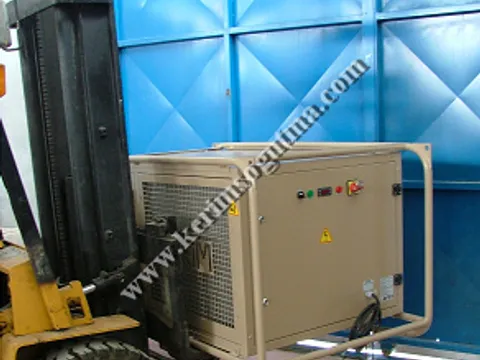
Units are built for repeated transport and outdoor duty, and many are tested against MIL-STD-810 methods for high temperature, rain, sand and dust, and vibration. It runs from a mobile generator or a temporary grid connection, at 230 V single-phase or 400 V three-phase.
- 12–16 °CSupply air leaving the evaporator
- 230 V or 400 VSingle-phase or three-phase supply
- MIL-STD-810Test methods many units are tested against
- Year-roundCooling, dehumidifying, heating and ventilation
Benefits
The problems it solves
A single fabric layer has negligible thermal resistance, and a closed tent in a hot climate climbs above the outdoor temperature within hours of sunrise. Here is what that means inside, and how the unit deals with it.
-
Heat stress
The problem
When air temperature approaches skin temperature, about 35 °C, the body can only lose heat by sweating, and high humidity blocks that too.
How it solves it
Controlled temperature and humidity reduce the risk of heat exhaustion and heat stroke for your occupants, patients and workers.
-
Fabric that lets the heat in
The problem
With 35 °C outside and 23 °C inside, 100 m² of single-skin fabric conducts about 7.1 kW, before the sun on the roof adds more.
How it solves it
The unit removes that heat continuously, and cools and dries outdoor air before it reaches the space.
-
Wet bedding and stock
The problem
When the tent cools at night, water condenses on the inside of the fabric and drips onto bedding, equipment and stock.
How it solves it
The evaporator condenses the water out of the air and drains it away, so night-time condensation on the fabric is reduced.
-
Medicines and electronics out of range
The problem
Medicines, reagents and diagnostic kits commonly carry storage limits of 15–25 °C or below 30 °C.
How it solves it
Your electronics, medicines and stored products stay within their temperature limits.
-
No building services on site
The problem
Tents are pitched in deserts, disaster zones, event grounds and remote work sites, where no permanent air conditioning exists.
How it solves it
The unit arrives ready to run and connects with ducts and a power cable, with no refrigerant pipework or brazing on site.
-
Noise and lost floor space
The problem
Machinery inside a tent takes floor area and fills the space with compressor noise.
How it solves it
Compressor and condenser fan noise stay outdoors, and no machinery occupies space inside your tent.
Where it’s used
Wherever you need a room that is not a building
The unit arrives on a vehicle, plugs into a generator and connects to the structure by ducts, wherever it is pitched.
-

Defence
Command posts, communications and radar shelters, briefing tents, accommodation, and maintenance tents for vehicles and aircraft in desert and tropical deployments.
-

Field hospitals and medical posts
Operating theatres, wards and pharmacy tents that need stable temperature and humidity.
-

Disaster relief
Emergency clinics, vaccination centres, coordination tents and shelters for vulnerable people in heatwaves, powered by generators.
-
Communications and IT shelters
Temporary server racks, network switches and broadcast equipment, held within the ASHRAE TC 9.9 recommended 18–27 °C inlet air.
-

Events and hospitality
Marquees for exhibitions, weddings, conferences, sports events and concerts, holding hundreds of people who each add about 100 W or more of heat.
-
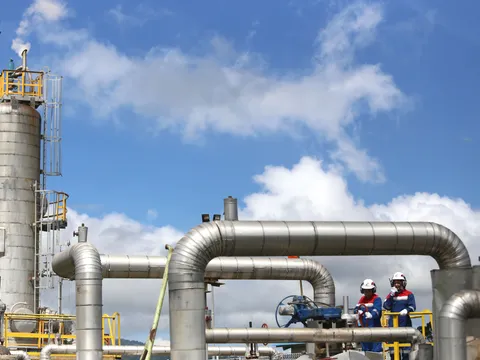
Industrial shutdowns
Temporary workshops, rest shelters and control rooms that keep maintenance crews productive in refineries, power plants and steel works.
Also remote mining, oil and gas and construction camps, fabric hangars and aircraft maintenance shelters, temporary storage for food, electronics and pharmaceuticals, polling stations and temporary classrooms, film and broadcast locations, and field laboratories.
How it works
Cool outside, ducted inside
The refrigeration machinery stands outdoors. Only cool, dry air travels into your tent, through flexible ducts.
-
1. Cool and dry the tent airReturn air drawn from low level passes the filter and the evaporator, whose fins run at roughly 5–10 °C, below the 12.9 °C dew point of tent air at 24 °C and 50 % RH. Water condenses and drains through the hose, and the air leaves at roughly 12–16 °C.
-
2. CompressThe compressor draws in the low-pressure refrigerant vapour and raises its pressure and temperature, so that it leaves hotter than the outdoor air.
-
3. Reject the heat outdoorsThe condenser fan drives outdoor air across the hot coil, and the refrigerant condenses back to liquid. A unit removing 10 kW from a tent while its compressor draws 3.5 kW must reject 13.5 kW through its condenser.
-
4. ExpandThe liquid passes through a capillary tube, fixed orifice or expansion valve. Its pressure falls, part of it flashes to vapour, and the mixture cools to the evaporating temperature.
-
5. Spread the air through the tentSupply air enters at high level through a perforated fabric duct along the ridge, mixing with the hottest air under the roof, and return air is drawn from low level. Supplying slightly more air than returns keeps the tent above outdoor pressure, so leakage runs outward.
Example figures for tent air at 24 °C and 50 % RH.
Get the full details
Our brochure covers it in detail, and our questionnaire tells us what we need to recommend the right one for your plant.
Keep exploring
More from our range
Equipment for every stage of your compressed air, and our own engineers to test, commission and look after it.
-
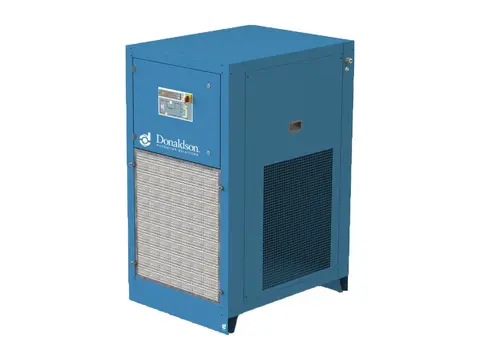
Refrigerated Air Dryers
Dry, condensate-free air for your plant, with no compressed air spent drying.
View product -
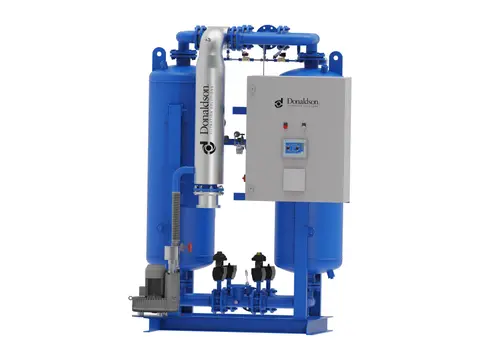
Heated Desiccant Dryers
Deep, stable dew points for your air, with heat doing the regeneration.
View product -
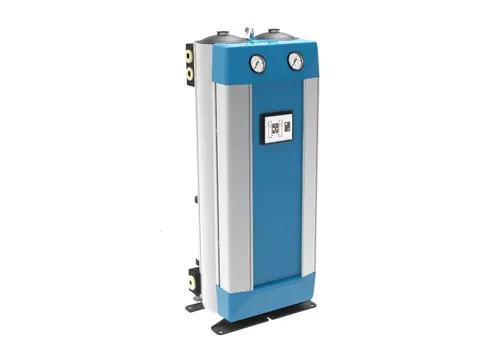
Heatless Desiccant Dryers
Deep dew points without heaters, for hazardous areas and remote sites.
View product -
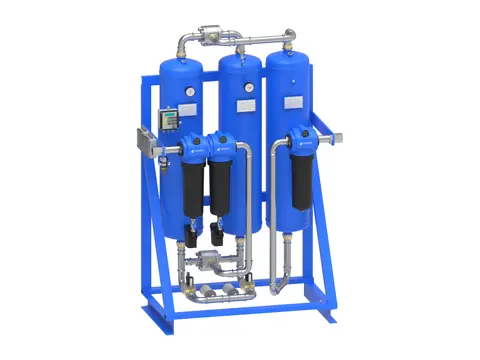
Breathing Air Systems
Your plant’s compressed air, made safe to breathe.
View product -
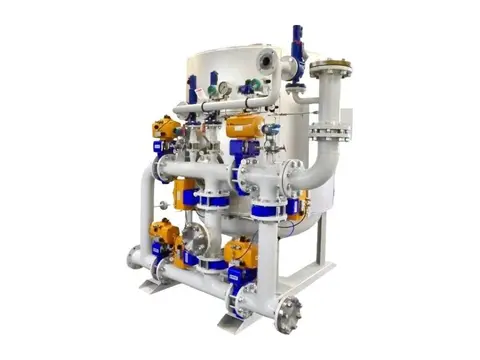
Hydrogen Dryers & De-Oxo Units
Electrolytic hydrogen purified of oxygen and water, ready for fuel cells.
View product -
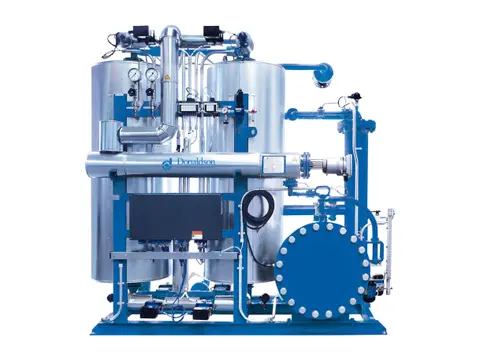
Biogas & Natural Gas Dryers
Dry, condensate-free fuel gas for your engines, boilers and upgrading plant.
View product -
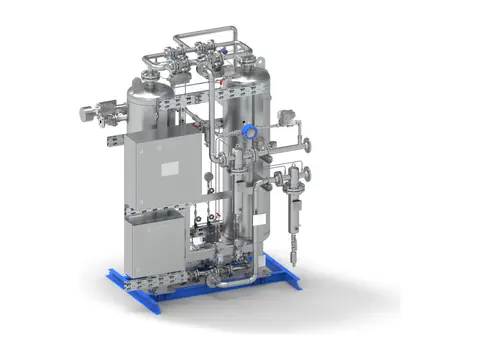
CO₂ Dryers
Beverage-grade dry CO₂ for your recovery plant, with no gas vented.
View product -
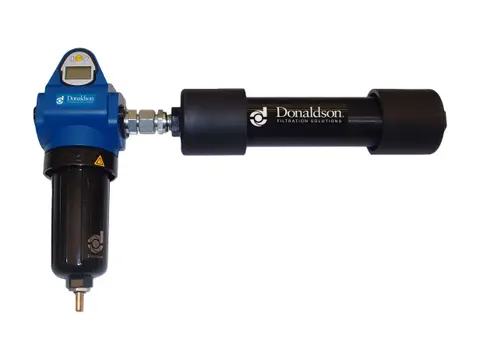
Membrane Dryers
Dry air at the point of use, with no power and no moving parts.
View product
-
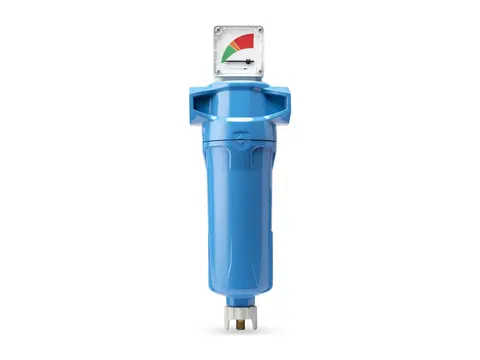
Coalescing Filters
Takes oil and water aerosols out of your air, down to 0.01 mg/m³.
View product -
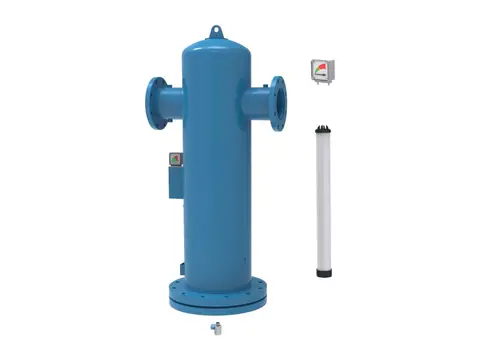
Particulate Filters
Dry, dust-free air for your plant, down to 0.01 µm particles.
View product -
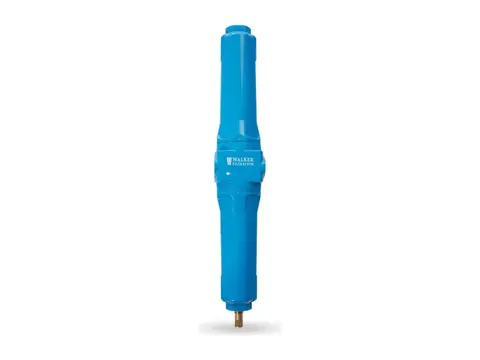
Compressed Air Duplex Filters
Change filter elements without interrupting your air supply.
View product -
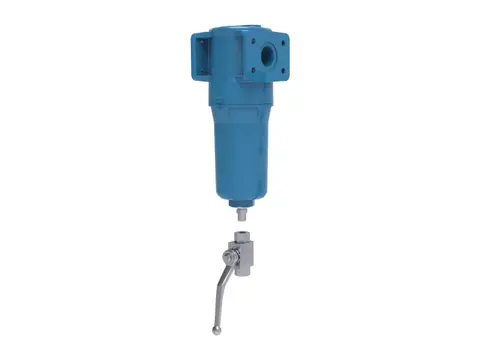
High Pressure Filters
Certified air purity for your high-pressure lines, up to 350 bar g.
View product -
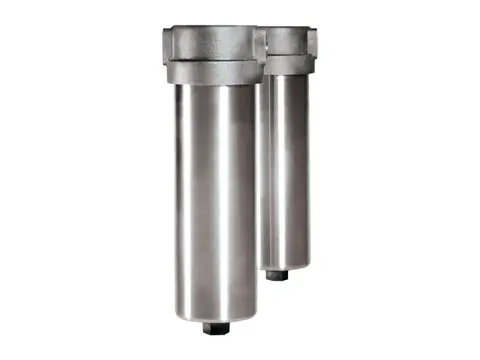
High Temperature Filters
Particle-free compressed air and gas where your process runs hot.
View product -
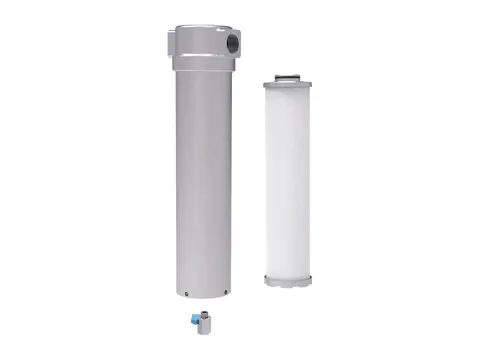
Ammonia and Refrigerant Filters
Keeps compressor oil out of your condensers and evaporators.
View product -
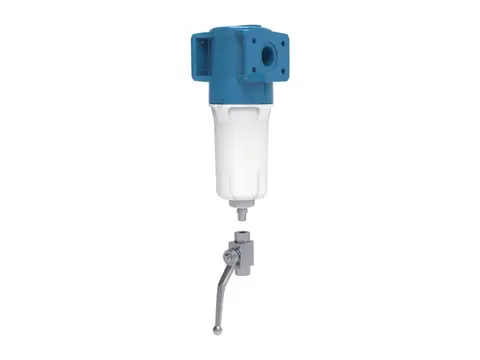
Oxygen Filters
Particle-free oxygen for your system, without adding an ignition source.
View product -
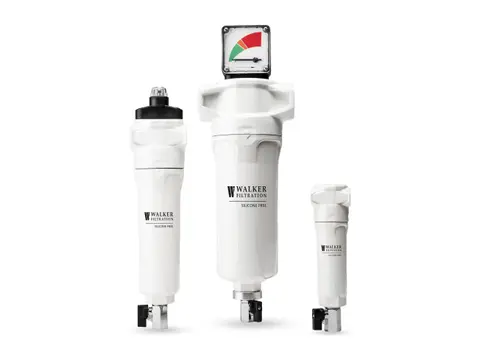
Silicone-Free Filters
Crater-free paint finishes, from air free of paint-wetting contaminants.
View product -
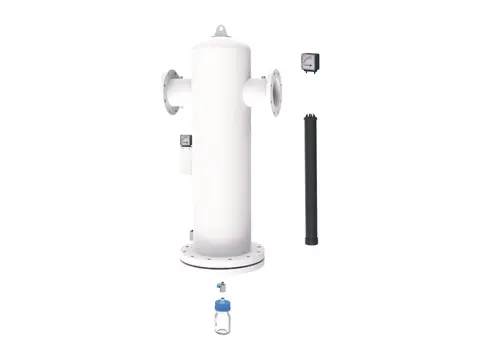
Medical Vacuum Filters
Keeps pathogens from hospital suction away from your pumps and exhaust.
View product -
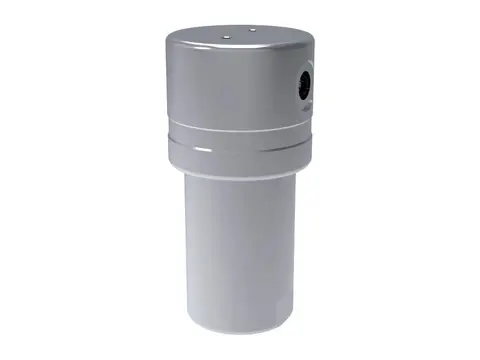
Hydrogen Filters
Particle, aerosol and oil-free hydrogen, from electrolyser to dispenser.
View product -
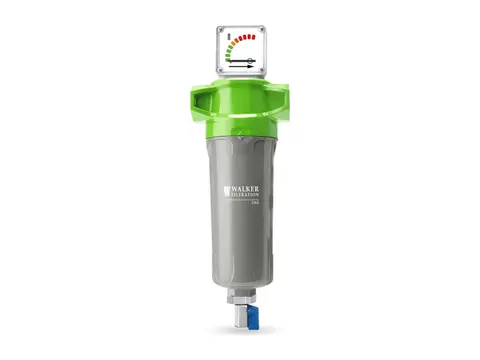
CNG Filters
Oil-free, particle-free natural gas from your compressor to the vehicle.
View product
-
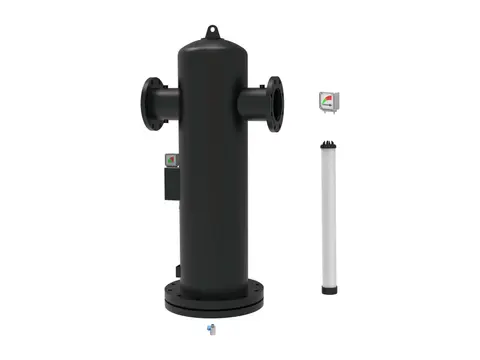
Centrifugal Moisture Separators
Bulk liquid out of your air by centrifugal force, with no element to replace.
View product -
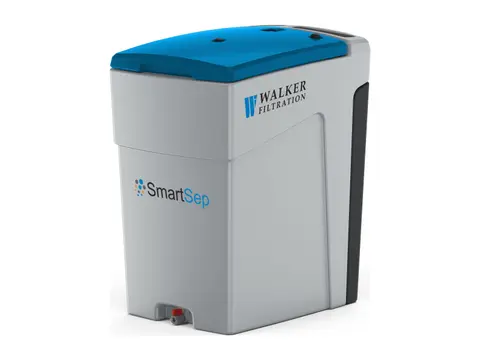
Oil Water Separator
Turns oily compressor condensate into water fit for sewer discharge.
View product -
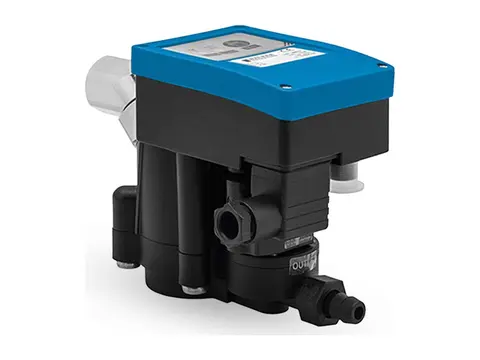
Zero-Loss Electronic Drain
Discharges every drop of condensate from your system, never your compressed air.
View product -
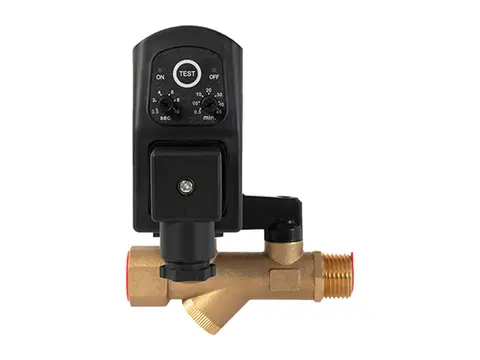
Timer Drain
Scheduled, positive condensate discharge from any collection point in your system.
View product -
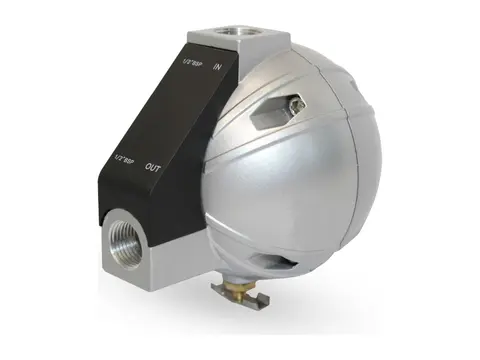
Mechanical Float Drain
Buoyancy-driven condensate removal with no power and no air loss.
View product -
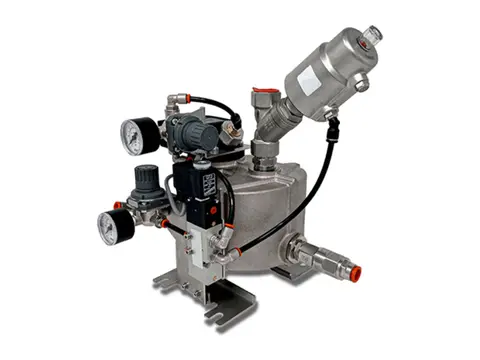
Vacuum Drain
Empties liquid from your vacuum system without breaking the vacuum.
View product
-
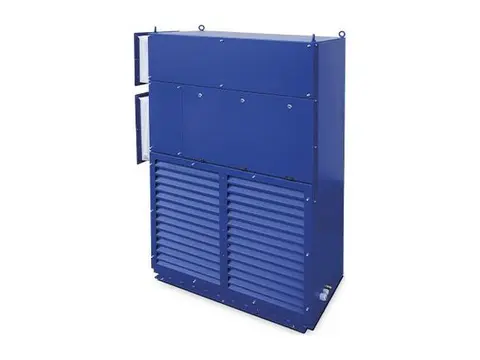
Crane Air Conditioner
Cool, clean cabins and electrical rooms for cranes working in extreme heat.
View product -
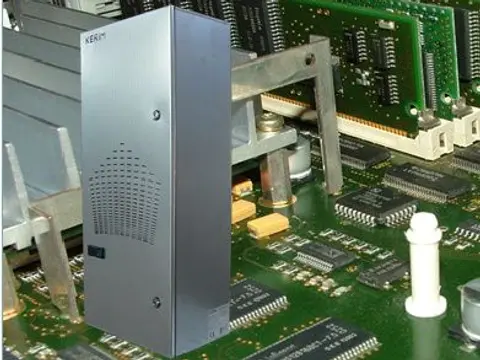
Panel Air Conditioner
Cool, clean, dry control panels, even in your hottest, dirtiest plant areas.
View product -
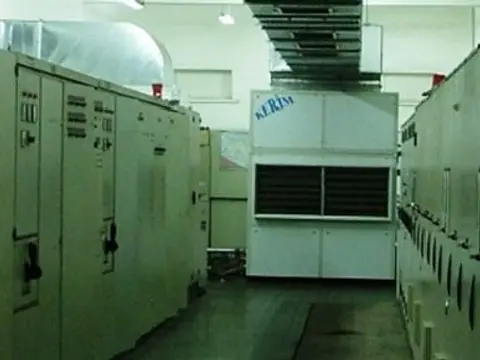
Air / Water Cooled Air Conditioner
Stable room temperatures for your electrical rooms in extreme plant heat.
View product
-
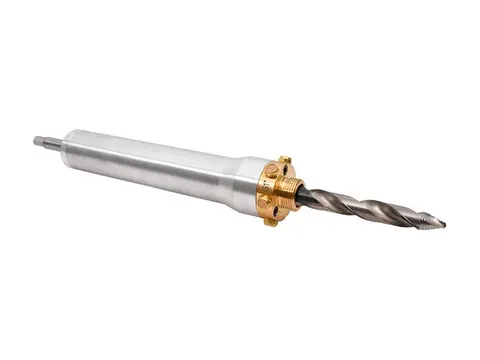
Hot Tapping
Add measurement ports to your live air lines without stopping production.
View product -
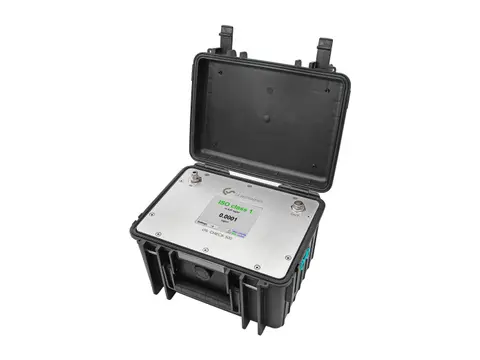
Compressed Air Quality Measurement
Prove your air's ISO 8573-1 purity: particles, oil and dew point.
View product -
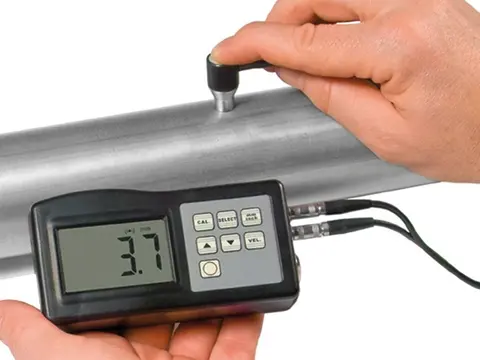
Digital Thickness Meter
Measure the metal left in your receivers and pipework, from the outside.
View product -
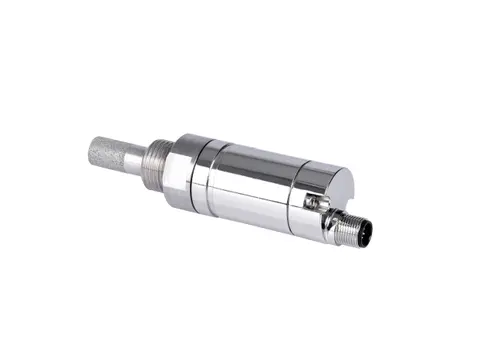
Dew Point Meter
Proof your air is dry, measured at line pressure.
View product -
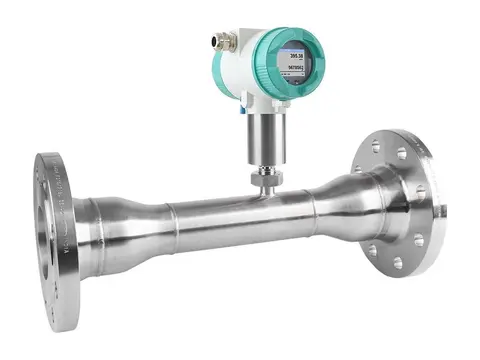
Flow Meter
True standard flow of your compressed air, whatever the line pressure.
View product -
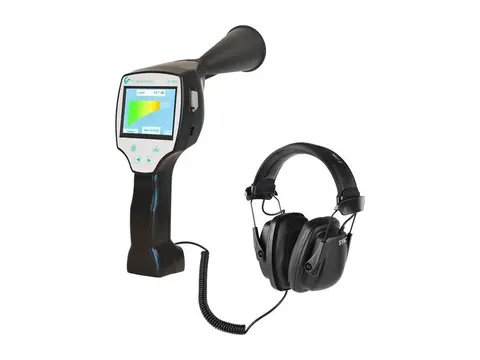
Leak Detector
Hear, locate and cost every compressed air leak in your plant.
View product -
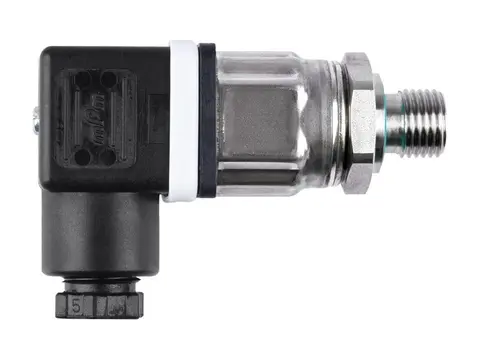
Pressure Sensor
Live pressure data from your compressor room to every point of use.
View product -
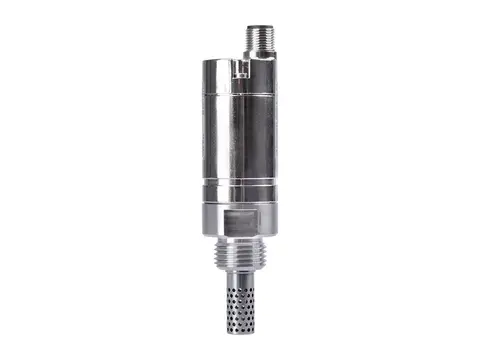
Humidity Meter
Humidity, temperature and dew point from one probe.
View product -
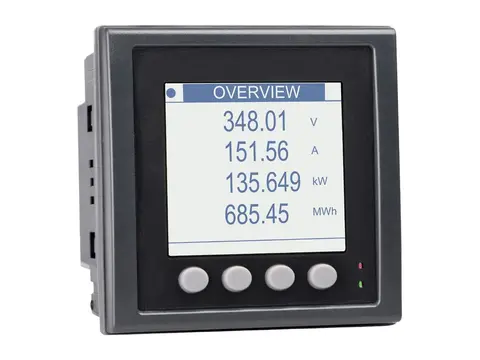
Power Meter
Measure the true power, energy and efficiency of your compressors.
View product
-
Health Testing of Compressed Air & Gas Dryers
Measured proof your dryer delivers its rated dew point.
View service -
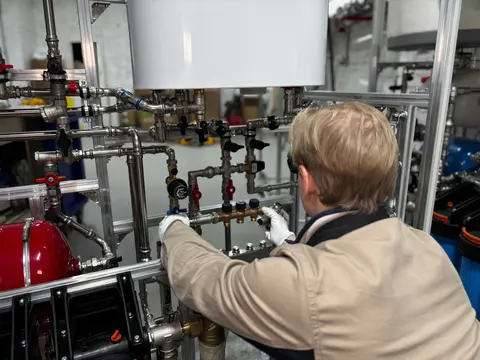
Commissioning and Service of Compressed Air & Gas Dryers
Verified dew point from first start-up through your dryer's service life.
View service -
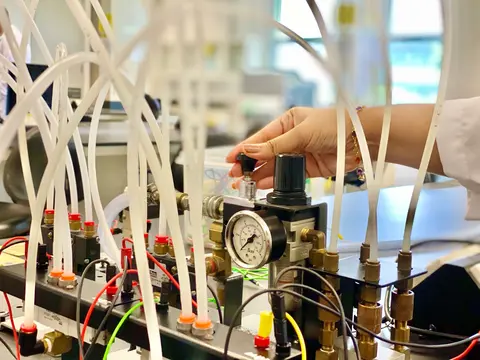
Compressed Air Quality Testing
Measured, documented proof of your compressed air purity class.
View service -
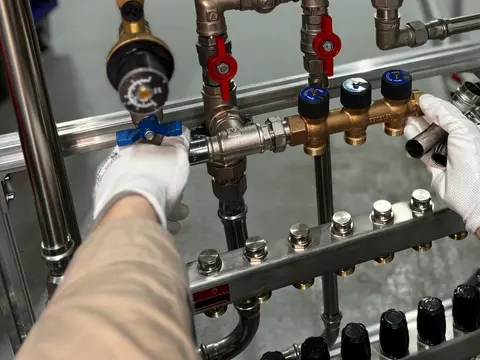
Dew Point Measurement Testing
Verified pressure dew point at the points that matter in your network.
View service -
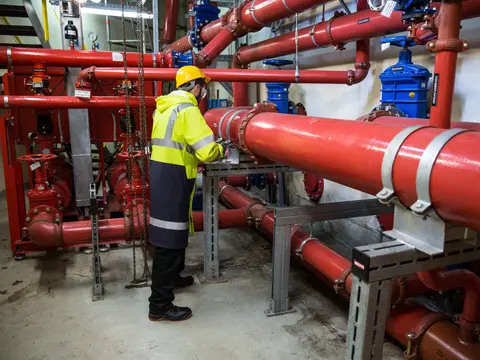
Compressed Air Flow Testing
Measured air demand, leakage and cost for your plant, not estimates.
View service -
Wall Thickness Testing
Know the remaining wall, corrosion rate and safe life of your equipment.
View service -
Sourcing
Spares, consumables and whole systems for your plant, sourced globally.
View service
