

Our services
Health Testing of Compressed Air & Gas Dryers
Measured proof that your dryer delivers the dew point it's rated for, with your production running throughout.
Service overview
An on-site audit of the dryer you already run
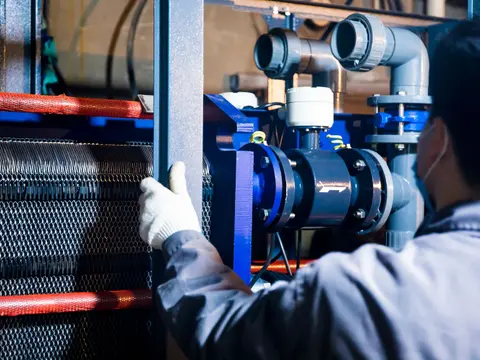
Our engineers audit your operating dryer on site, under your plant's real flow, pressure and temperature. Over several complete dryer cycles we log the outlet pressure dew point with a calibrated portable hygrometer, independent of any sensor fitted to the dryer, along with pressures, temperatures, flow, purge, power and leaks.
We test refrigerated, heatless desiccant, heated desiccant and membrane dryers, and dryers for nitrogen, hydrogen, biogas, natural gas and CO₂. Your report states the dew point and ISO 8573-1:2010 water class achieved, the cause of any deviation, the compressed air and energy lost, and the corrective actions in order of priority.
- In serviceTested with your production running
- ISO 8573-1The water class your dryer actually delivers
- In kWhWasted air and energy, quantified
- TraceableCalibration that stands up in audits
Benefits
The problems it solves
A dryer that is losing performance still runs, cycles and shows normal lights. Here is what that hides, and how a health test brings it out.
-
Wear you can't see
The problem
Desiccant ages, valve seals wear, silencers clog, condensers collect dust and drains stick. None of it stops the dryer.
How it solves it
We log your dryer over several complete cycles and read the pattern, so the fault is found before the dew point breaches your specification.
-
A small drift, a lot more water
The problem
At the same line pressure, air at −20 °C PDP carries eight times the water vapour of air at −40 °C PDP.
How it solves it
A calibrated hygrometer measures the dew point actually delivered and the ISO 8573-1 water class it achieves.
-
Damage that shows up late
The problem
Water past a failing dryer rusts pipework, washes lubricant from cylinders and freezes in outdoor tubing, long before any alarm.
How it solves it
Finding the fault early protects your pipework, valves, cylinders and instruments from corrosion, washout and ice.
-
Sensors that drift
The problem
Installed dew point sensors lose accuracy with time and contamination, and can read compliant while wet air reaches the process.
How it solves it
Your installed sensors and gauges are checked against a calibrated reference, and a drifted one is flagged.
-
Hidden running costs
The problem
A purge set for a higher pressure, a leaking exhaust valve or a drain stuck open wastes compressed air around the clock.
How it solves it
Excess purge, leaks and avoidable pressure drop are quantified in kWh, and each leaking valve, silencer or drain is listed by location.
-
Audits want evidence
The problem
GMP, HACCP, medical gas and instrument air auditors expect measured, traceable records, not nameplate ratings.
How it solves it
Reports with calibration traceable to national standards give you documented dew point evidence.
Where it’s used
Wherever dry air is part of the process
Any plant that depends on a dew point needs to know it's being met. These are some of the places a health test earns its keep.
-

Power generation
Valve actuators, dampers and pneumatic switchgear, where moisture causes sluggish or failed operation.
-

Food and beverage
Air in direct contact with food, where BCAS Guideline 102 specifies −40 °C PDP and HACCP plans require verification.
-

Pharmaceuticals
Air for tablet coating, granulation and filling, a GMP-controlled utility whose dryer performance must be documented.
-

Automotive and surface finishing
Paint shops and powder coating lines, where wet air causes blistering and poor adhesion.
-

Plastics
PET blow moulding and resin drying, which rely on dry air at high pressure.
-

Chemicals
Blanketing and conveying of moisture-sensitive materials, which need a confirmed dew point.
Also oil, gas, refining and petrochemicals, hospitals, electronics and semiconductors, nitrogen, hydrogen and CO₂ production, biogas and natural gas, and cold stores and outdoor installations.
Keep exploring
More from our range
Our other services, and equipment for every stage of your compressed air.
-
Refrigerated Air Dryers
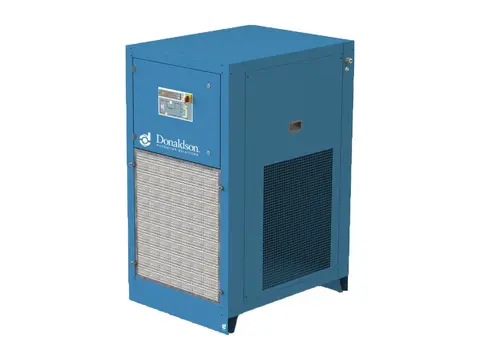
Dry, condensate-free air for your plant, with no compressed air spent drying.
View product -
Heated Desiccant Dryers
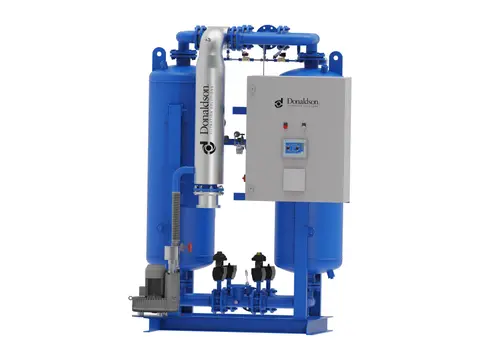
Deep, stable dew points for your air, with heat doing the regeneration.
View product -
Heatless Desiccant Dryers
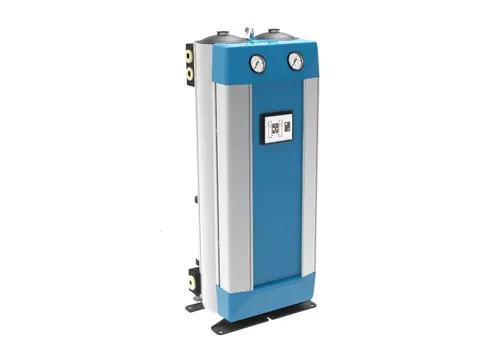
Deep dew points without heaters, for hazardous areas and remote sites.
View product -
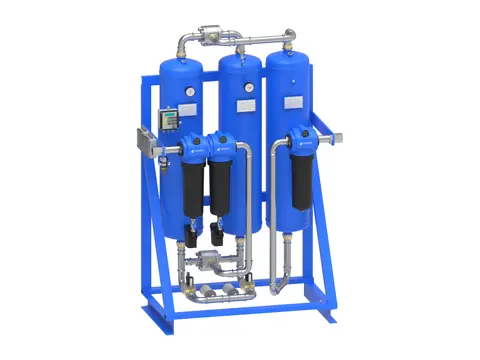
Breathing Air Systems
Your plant’s compressed air, made safe to breathe.
View product -
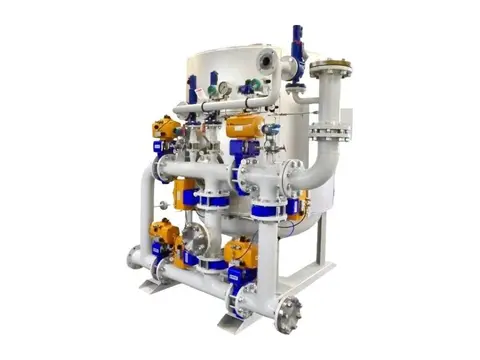
Hydrogen Dryers & De-Oxo Units
Electrolytic hydrogen purified of oxygen and water, ready for fuel cells.
View product -
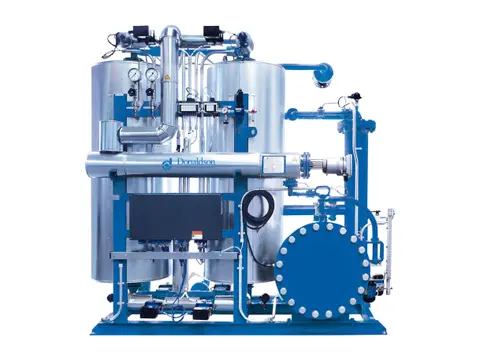
Biogas & Natural Gas Dryers
Dry, condensate-free fuel gas for your engines, boilers and upgrading plant.
View product -
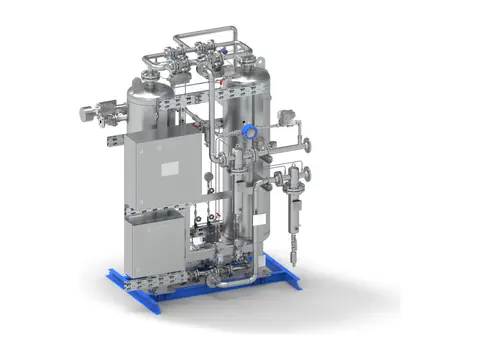
CO₂ Dryers
Beverage-grade dry CO₂ for your recovery plant, with no gas vented.
View product -
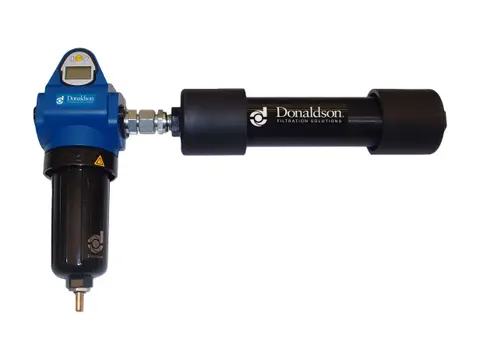
Membrane Dryers
Dry air at the point of use, with no power and no moving parts.
View product
-
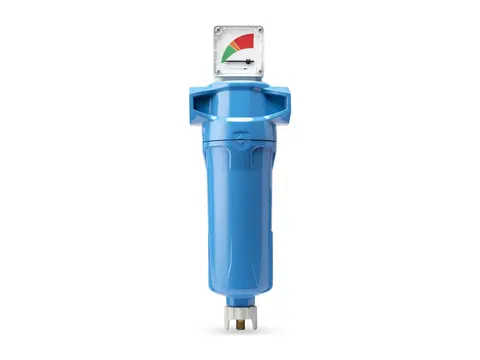
Coalescing Filters
Takes oil and water aerosols out of your air, down to 0.01 mg/m³.
View product -
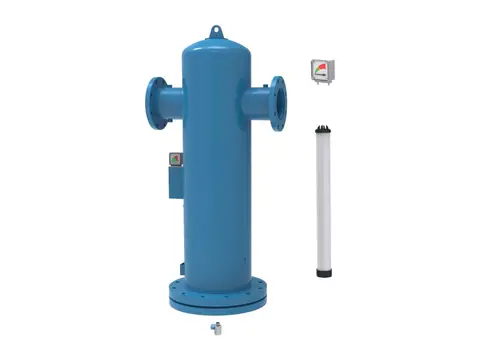
Particulate Filters
Dry, dust-free air for your plant, down to 0.01 µm particles.
View product -
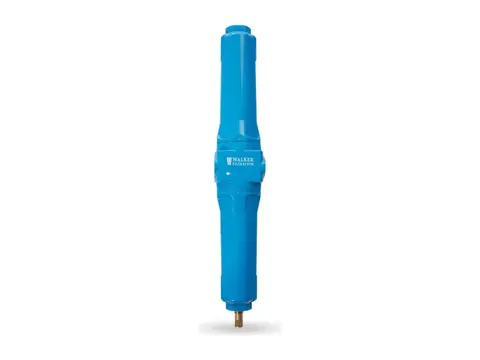
Compressed Air Duplex Filters
Change filter elements without interrupting your air supply.
View product -
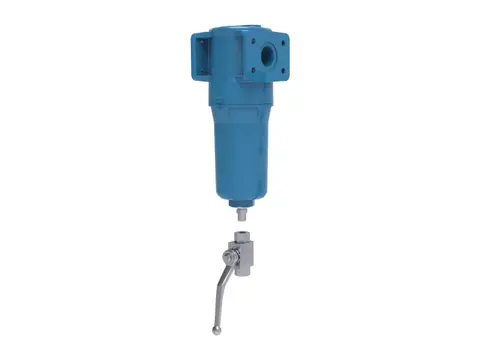
High Pressure Filters
Certified air purity for your high-pressure lines, up to 350 bar g.
View product -
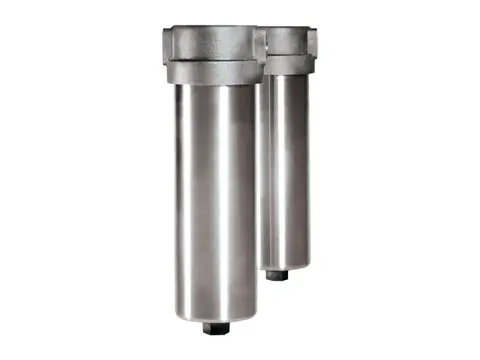
High Temperature Filters
Particle-free compressed air and gas where your process runs hot.
View product -
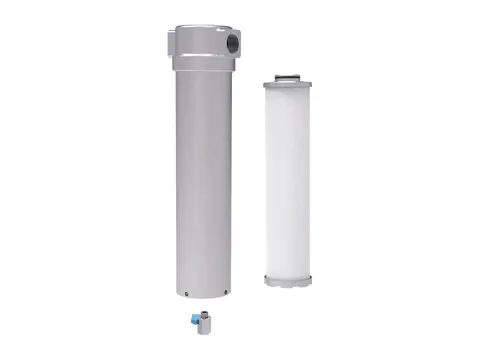
Ammonia and Refrigerant Filters
Keeps compressor oil out of your condensers and evaporators.
View product -
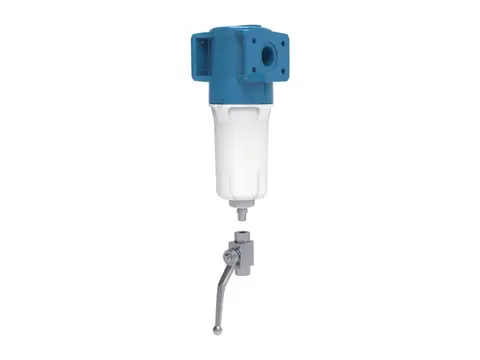
Oxygen Filters
Particle-free oxygen for your system, without adding an ignition source.
View product -
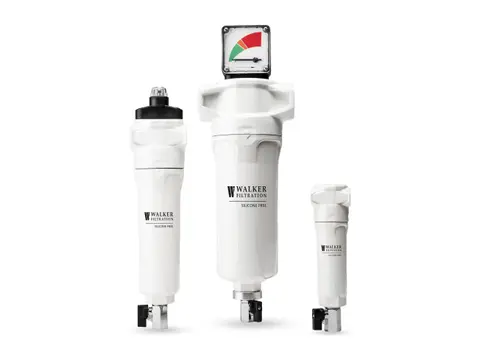
Silicone-Free Filters
Crater-free paint finishes, from air free of paint-wetting contaminants.
View product -
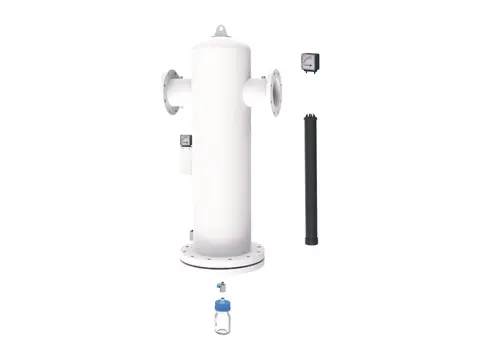
Medical Vacuum Filters
Keeps pathogens from hospital suction away from your pumps and exhaust.
View product -
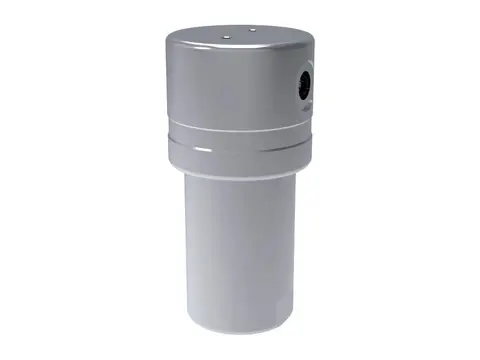
Hydrogen Filters
Particle, aerosol and oil-free hydrogen, from electrolyser to dispenser.
View product -
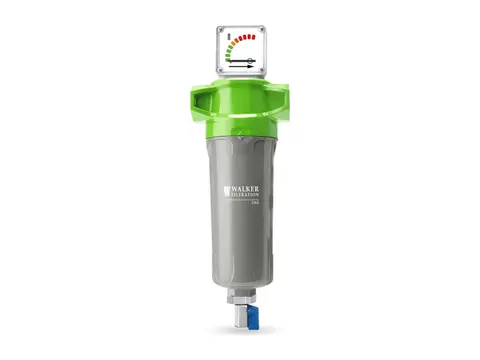
CNG Filters
Oil-free, particle-free natural gas from your compressor to the vehicle.
View product
-
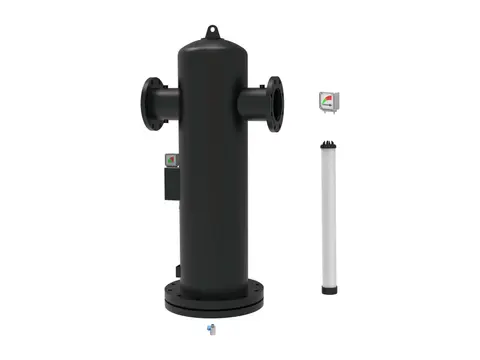
Centrifugal Moisture Separators
Bulk liquid out of your air by centrifugal force, with no element to replace.
View product -
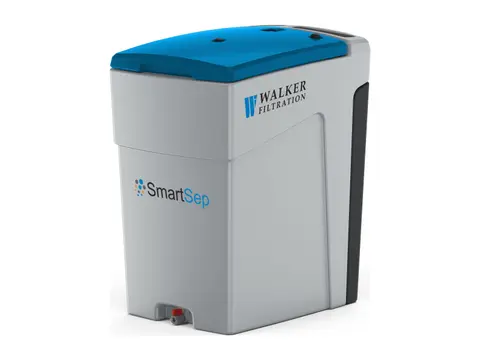
Oil Water Separator
Turns oily compressor condensate into water fit for sewer discharge.
View product -
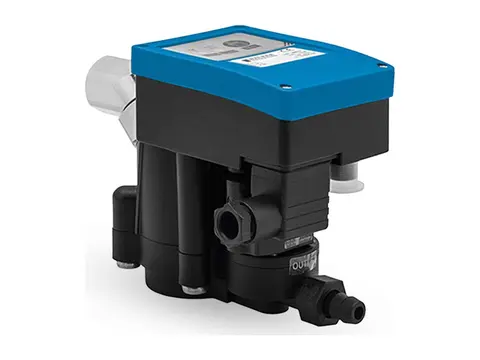
Zero-Loss Electronic Drain
Discharges every drop of condensate from your system, never your compressed air.
View product -
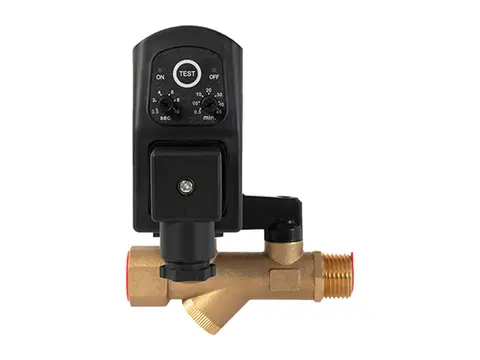
Timer Drain
Scheduled, positive condensate discharge from any collection point in your system.
View product -
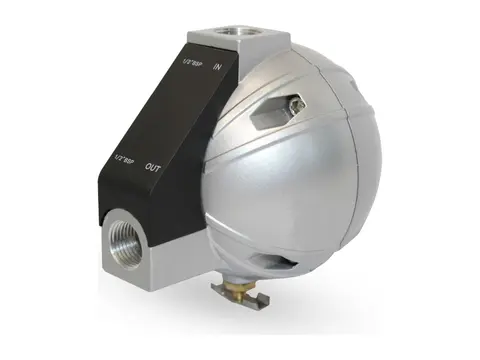
Mechanical Float Drain
Buoyancy-driven condensate removal with no power and no air loss.
View product -
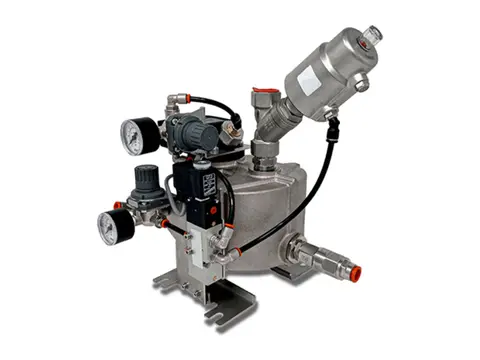
Vacuum Drain
Empties liquid from your vacuum system without breaking the vacuum.
View product
-
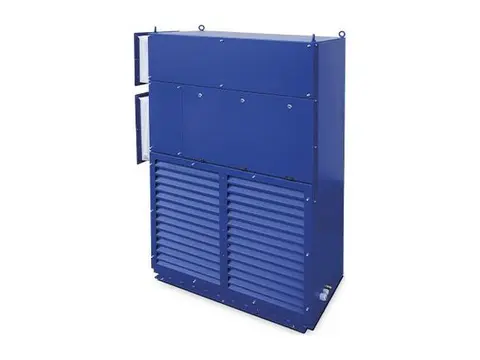
Crane Air Conditioner
Cool, clean cabins and electrical rooms for cranes working in extreme heat.
View product -
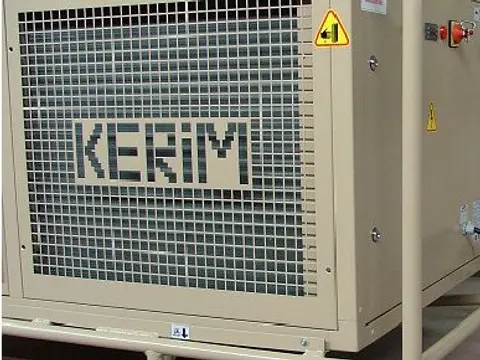
Tent Air Conditioner
Controlled climate for your tents, shelters and temporary structures.
View product -
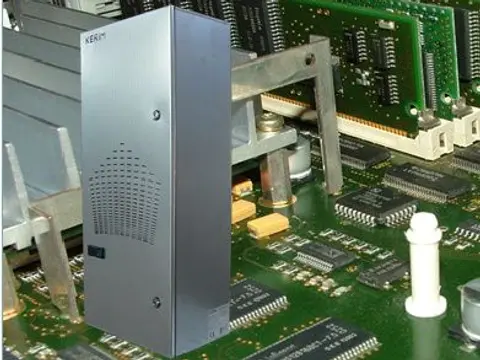
Panel Air Conditioner
Cool, clean, dry control panels, even in your hottest, dirtiest plant areas.
View product -
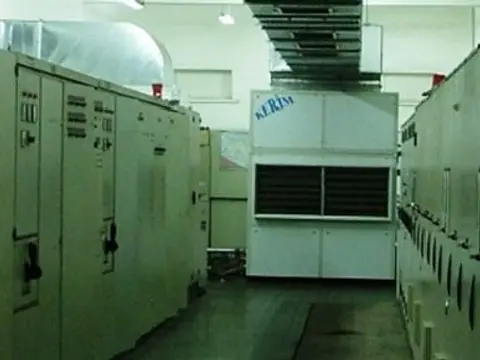
Air / Water Cooled Air Conditioner
Stable room temperatures for your electrical rooms in extreme plant heat.
View product
-
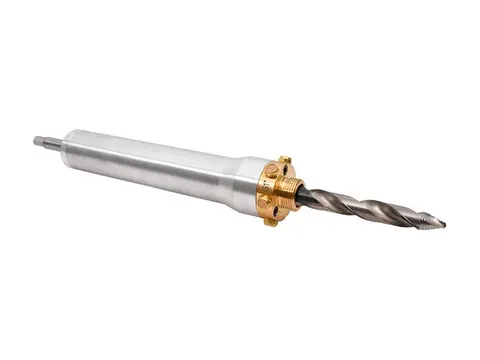
Hot Tapping
Add measurement ports to your live air lines without stopping production.
View product -
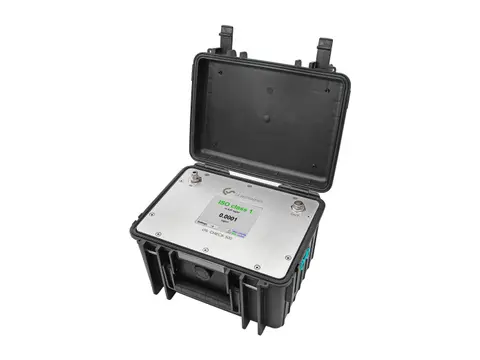
Compressed Air Quality Measurement
Prove your air's ISO 8573-1 purity: particles, oil and dew point.
View product -
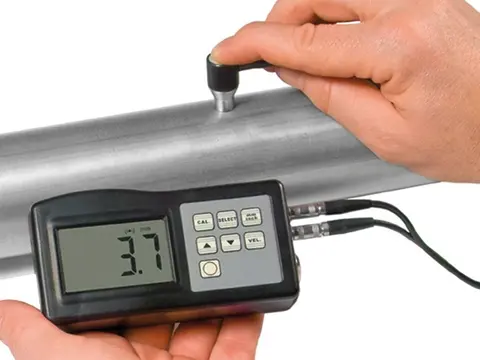
Digital Thickness Meter
Measure the metal left in your receivers and pipework, from the outside.
View product -
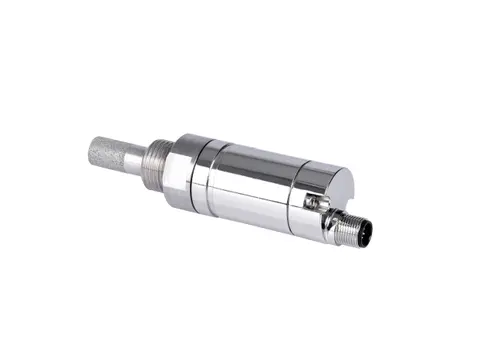
Dew Point Meter
Proof your air is dry, measured at line pressure.
View product -
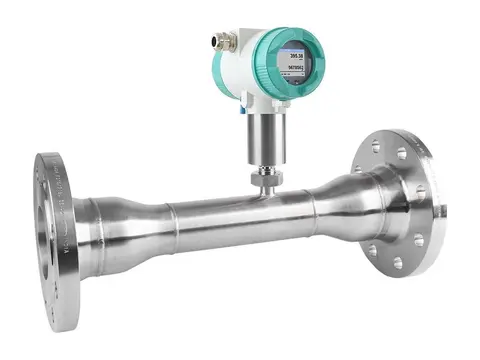
Flow Meter
True standard flow of your compressed air, whatever the line pressure.
View product -
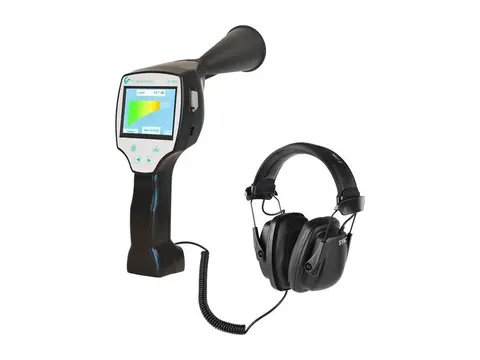
Leak Detector
Hear, locate and cost every compressed air leak in your plant.
View product -
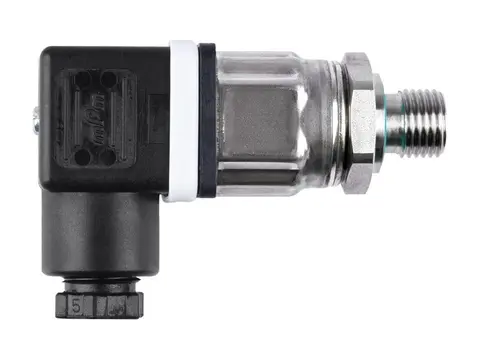
Pressure Sensor
Live pressure data from your compressor room to every point of use.
View product -
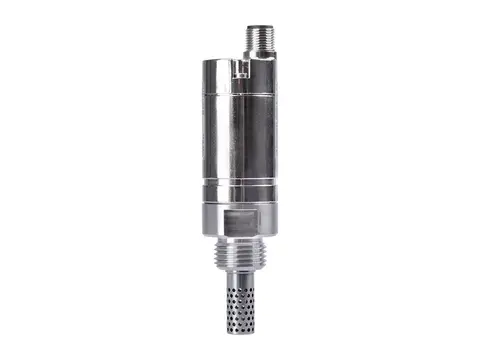
Humidity Meter
Humidity, temperature and dew point from one probe.
View product -
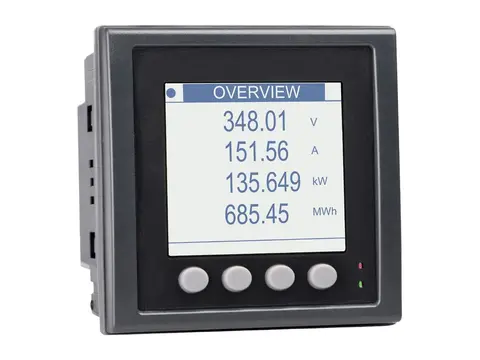
Power Meter
Measure the true power, energy and efficiency of your compressors.
View product
-
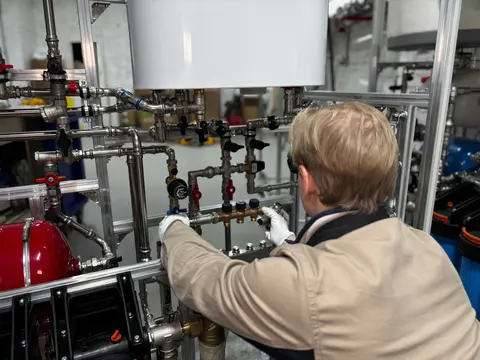
Commissioning and Service of Compressed Air & Gas Dryers
Verified dew point from first start-up through your dryer's service life.
View service -
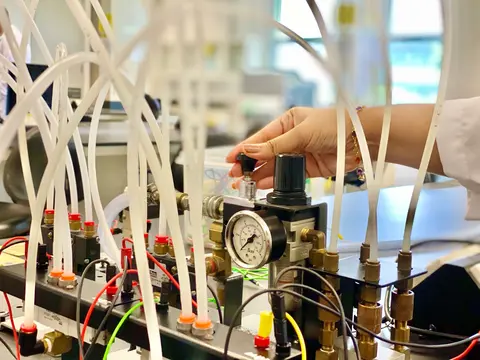
Compressed Air Quality Testing
Measured, documented proof of your compressed air purity class.
View service -
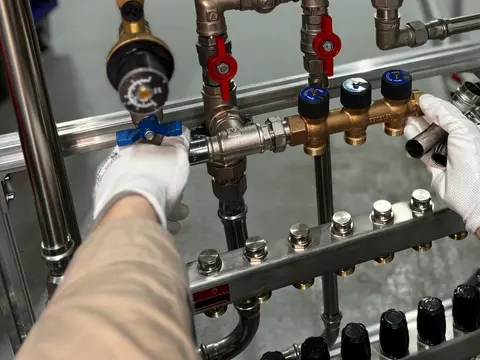
Dew Point Measurement Testing
Verified pressure dew point at the points that matter in your network.
View service -
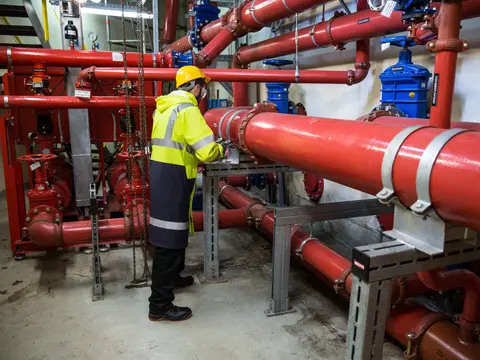
Compressed Air Flow Testing
Measured air demand, leakage and cost for your plant, not estimates.
View service -
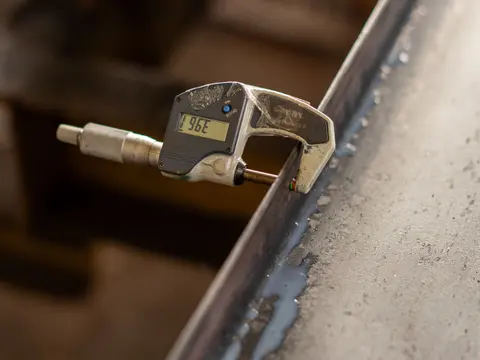
Wall Thickness Testing
Know the remaining wall, corrosion rate and safe life of your equipment.
View service -
Sourcing
Spares, consumables and whole systems for your plant, sourced globally.
View service
