
Measurement Equipments
Compressed Air Quality Measurement
Show exactly how clean your air is, in the ISO 8573-1 purity classes your specifications are written in.
Product overview
Proof of purity, not a promise
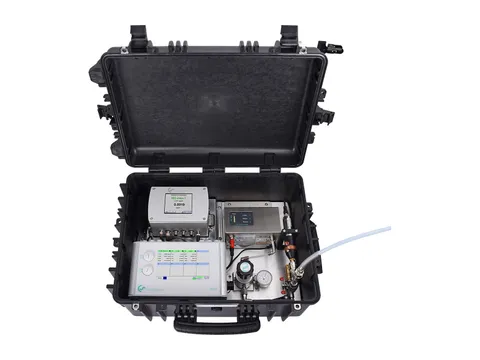
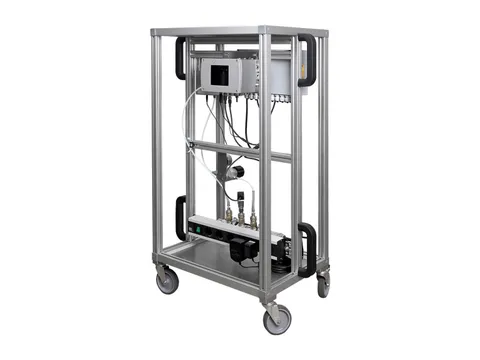
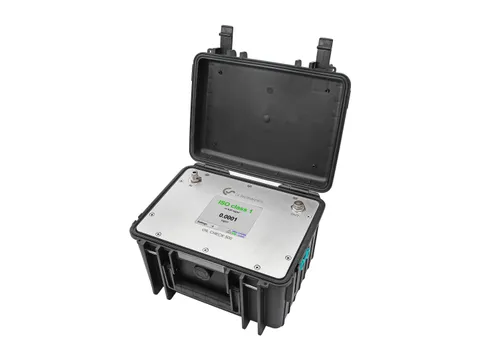
Our air quality measurement equipment measures the contaminants that ISO 8573-1:2010 uses to define air purity: solid particles, water and total oil. Each result is reported against the purity class designation, so the air reaching your process can be checked against the class written into its specification.
A laser particle counter counts particles from 0.1 µm in the standard size bands, a photo-ionisation detector measures oil vapour down to thousandths of a milligram per cubic metre, and a dew point sensor at line pressure measures water. Every result is converted to the reference conditions of 20 °C, 1 bar absolute and 0 % relative humidity.
Use it for spot audits at commissioning, validation or troubleshooting, or as permanent monitoring that raises an alarm when a limit is exceeded. Either way you get a dated, traceable record, and a true picture of what your dryers and filters deliver under real site conditions.
- 0.1 µmSmallest particles counted
- 0.001 mg/m³Trace oil vapour measured
- ISO 8573-1Results stated in its purity classes
- 20 °C · 1 barAbsolute, at 0 % RH: the reference conditions
Benefits
What your air really contains
Particles below 1 µm, oil vapour and water vapour are all invisible. Here is what that hides, and what measurement shows you.
-
Contamination made visible
The problem
Air at Class 1 for oil holds at most 0.01 mg/m³, and the factor of 100 between Class 1 and Class 3 oil has no visible sign.
How it solves it
Particles are counted from 0.1 µm upward, and oil vapour is detected in the thousandths of a milligram per cubic metre.
-
Ratings checked on site
The problem
A saturated, bypassed or badly sealed coalescing filter lets contamination pass while its differential pressure gauge still reads normal.
How it solves it
New dryers and filters are accepted on measured results at commissioning, under your real site conditions.
-
Faults traced to source
The problem
Contamination often shows up in the product before anyone suspects the air.
How it solves it
Measurements at successive points identify the failing compressor, dryer, filter or pipe section, and take the guesswork out of troubleshooting.
-
Early warning
The problem
Desiccant ageing and a carbon stage nearing exhaustion creep up slowly.
How it solves it
Continuous monitoring flags a rising dew point or oil level while your air is still inside its class limits.
-
Maintenance by condition
The problem
Filter elements, carbon and desiccant changed on a fixed schedule are either left too long or changed too soon.
How it solves it
Replace them when measured performance calls for it, not only by the calendar.
-
Audit-ready evidence
The problem
A purity class that has never been measured cannot be shown to an auditor.
How it solves it
Time-stamped, calibrated results in ISO 8573-1 classes serve GMP, HACCP, HTM 02-01 and EN 12021 audits.
Where it’s used
Wherever air touches product, process or people
The purity class in a specification applies where the air meets its use, and that is where we measure it.
-
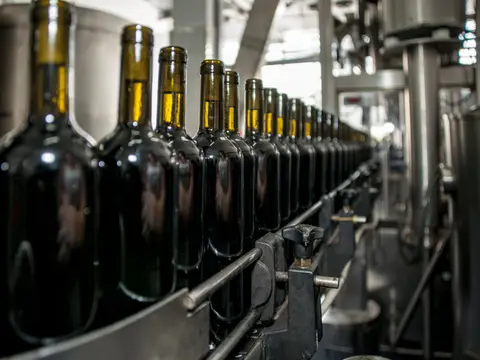
Food and beverage
BCAS Guideline 102 specifies Class 2:2:1 for direct contact with food and Class 2:4:2 for indirect, with records supporting HACCP.
-
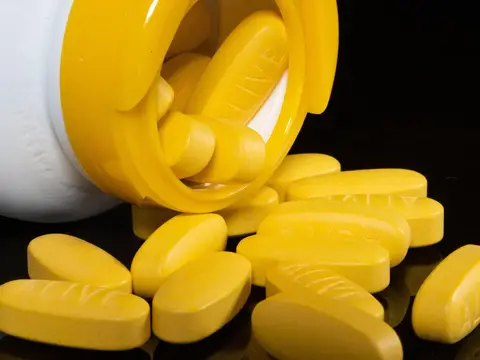
Pharmaceuticals
Air for tablet coating, granulation, fermentation and filling, qualified during validation and monitored routinely under GMP.
-

Automotive paint shops
Particles, oil and moisture are checked because they cause craters, fisheyes and adhesion failures.
-

Surface finishing
Oil vapour and particles cause coating and paint defects that appear only after finishing.
-

Packaging and PET blow moulding
The air that inflates a bottle touches the inside surface of the container.
-

Oil, gas, power and process plants
Instrument air is checked against the dew point and particle requirements of ISA-7.0.01.
Also hospitals and medical gas systems to the European Pharmacopoeia and HTM 02-01, breathing air to EN 12021, clean dry air in electronics and semiconductors, laboratory air for analysers and nitrogen generators, and verification of dryers and filters at commissioning.
How it works
Sample, measure, classify
A sample drawn from the centre of your pipe is split between instruments, one for each contaminant, and the results are combined into one purity class.
-
1. Draw a true sampleA probe at the pipe centreline faces into the flow, with gas entering it at the stream’s own velocity, so particles and droplets are collected in their true proportion.
-
2. Count the particlesA diffuser brings the sample to atmospheric pressure and a pump draws a fixed flow through the optical cell. Each particle crossing the laser beam scatters a pulse of light, and its height sorts the particle into the 0.1–0.5 µm, 0.5–1 µm or 1–5 µm band.
-
3. Measure the oil vapourA 10.6 eV ultraviolet lamp ionises hydrocarbon molecules but not the main constituents of air, and the ion current gives their concentration. A switching valve alternates the sample with zero-reference air from a catalytic converter, cancelling drift and humidity effects.
-
4. Measure the dew pointA sensor in a small chamber at line pressure reads the pressure dew point directly, while a needle valve bleeds a small, continuous flow to keep the sample fresh.
-
5. Assign the classEvery result is converted to 20 °C, 1 bar absolute and 0 % relative humidity and written as particles : water : oil, such as 1:2:1. The weakest contaminant decides whether your specification is met.
Results are stated at the ISO 8573-1 reference conditions: 20 °C, 1 bar absolute and 0 % relative humidity.
Get the full details
Our brochure covers it in detail, and our questionnaire tells us what we need to recommend the right one for your plant.
Keep exploring
More from our range
Equipment for every stage of your compressed air, and our own engineers to test, commission and look after it.
-
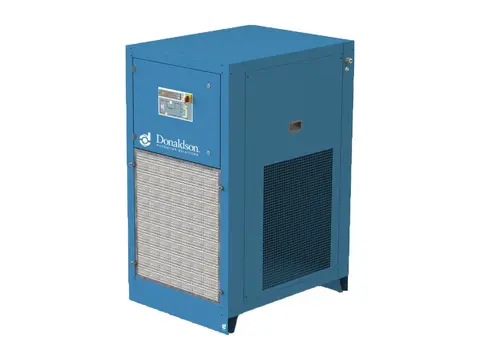
Refrigerated Air Dryers
Dry, condensate-free air for your plant, with no compressed air spent drying.
View product -
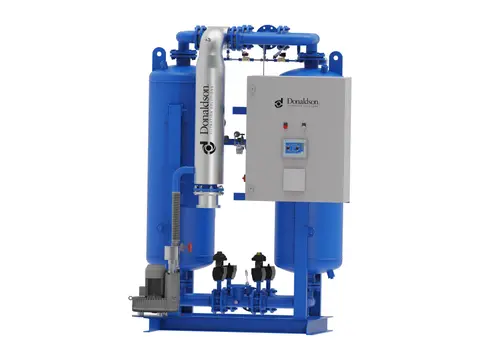
Heated Desiccant Dryers
Deep, stable dew points for your air, with heat doing the regeneration.
View product -
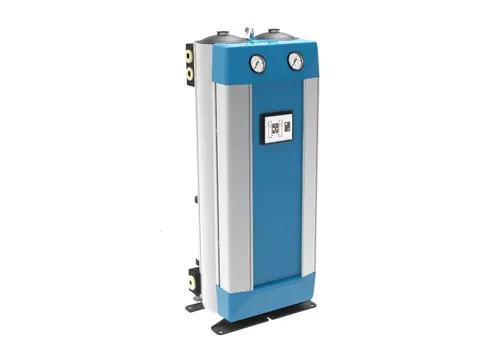
Heatless Desiccant Dryers
Deep dew points without heaters, for hazardous areas and remote sites.
View product -
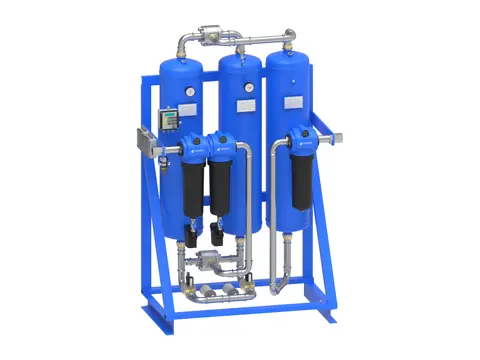
Breathing Air Systems
Your plant’s compressed air, made safe to breathe.
View product -
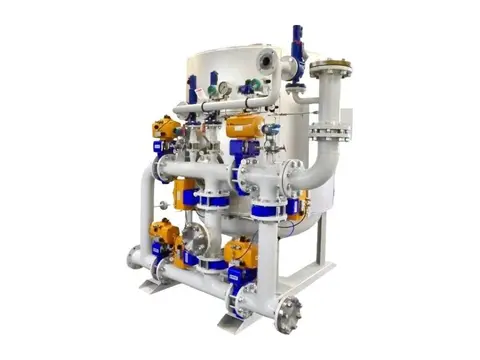
Hydrogen Dryers & De-Oxo Units
Electrolytic hydrogen purified of oxygen and water, ready for fuel cells.
View product -
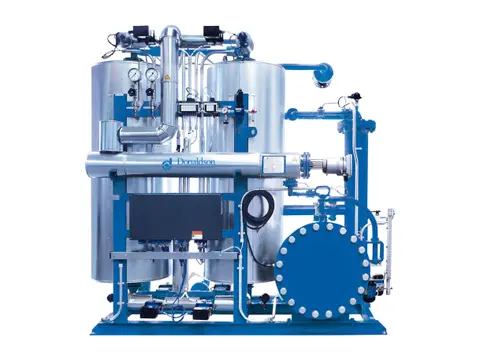
Biogas & Natural Gas Dryers
Dry, condensate-free fuel gas for your engines, boilers and upgrading plant.
View product -
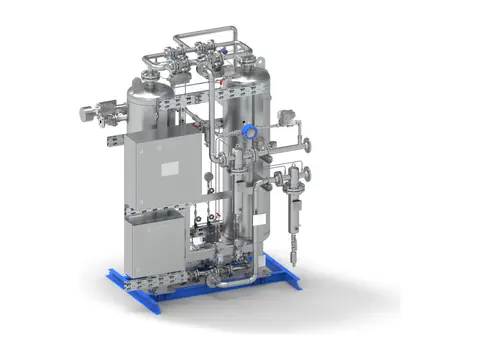
CO₂ Dryers
Beverage-grade dry CO₂ for your recovery plant, with no gas vented.
View product -
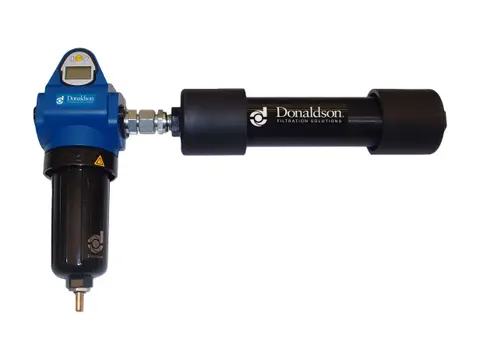
Membrane Dryers
Dry air at the point of use, with no power and no moving parts.
View product
-
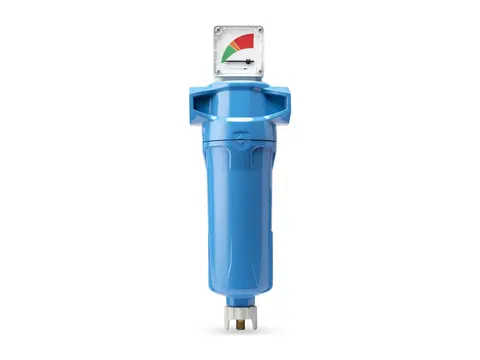
Coalescing Filters
Takes oil and water aerosols out of your air, down to 0.01 mg/m³.
View product -
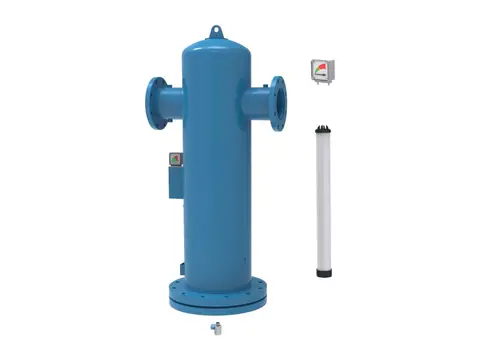
Particulate Filters
Dry, dust-free air for your plant, down to 0.01 µm particles.
View product -
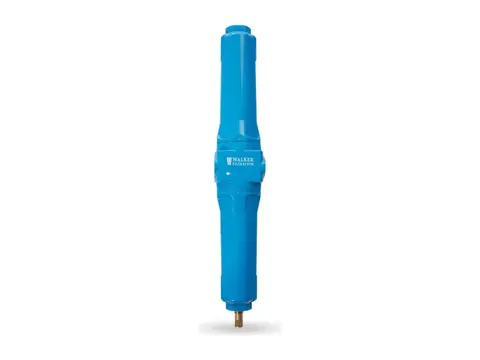
Compressed Air Duplex Filters
Change filter elements without interrupting your air supply.
View product -
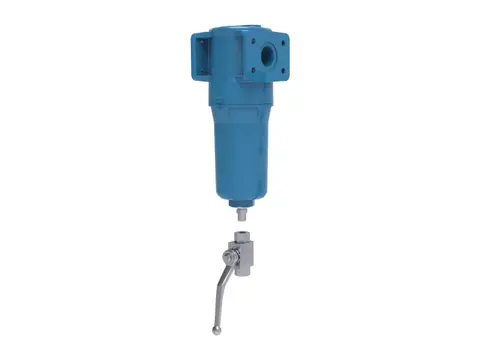
High Pressure Filters
Certified air purity for your high-pressure lines, up to 350 bar g.
View product -
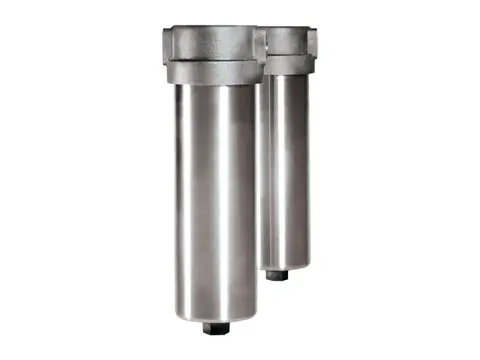
High Temperature Filters
Particle-free compressed air and gas where your process runs hot.
View product -
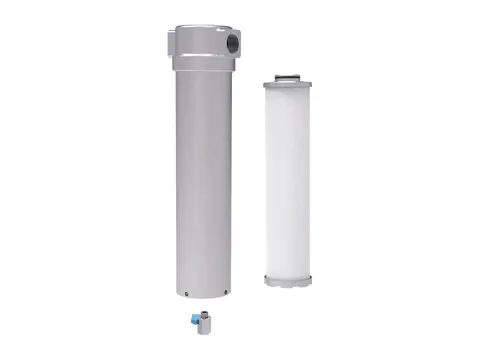
Ammonia and Refrigerant Filters
Keeps compressor oil out of your condensers and evaporators.
View product -
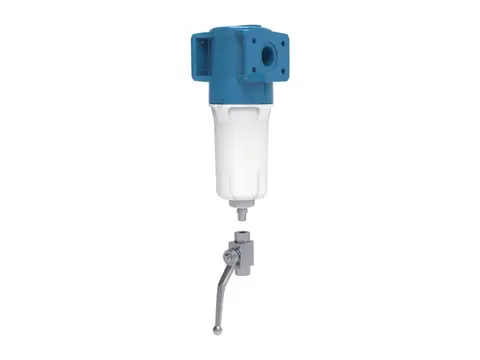
Oxygen Filters
Particle-free oxygen for your system, without adding an ignition source.
View product -
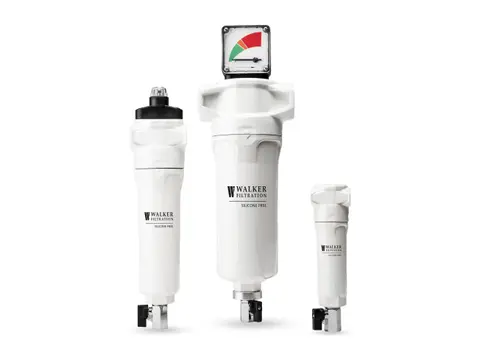
Silicone-Free Filters
Crater-free paint finishes, from air free of paint-wetting contaminants.
View product -
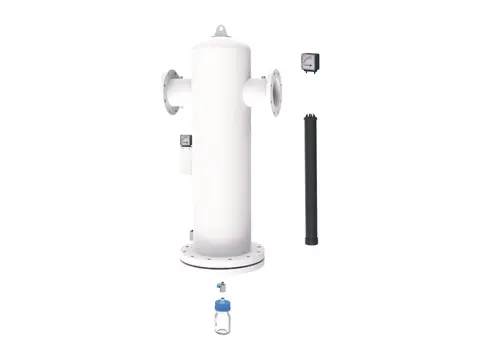
Medical Vacuum Filters
Keeps pathogens from hospital suction away from your pumps and exhaust.
View product -
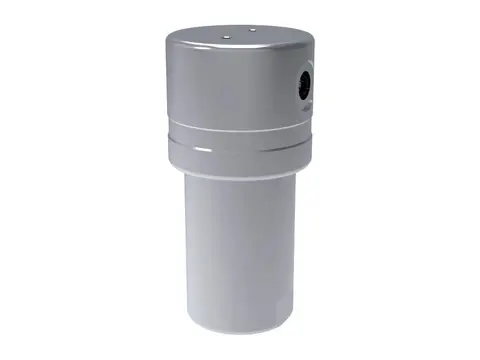
Hydrogen Filters
Particle, aerosol and oil-free hydrogen, from electrolyser to dispenser.
View product -
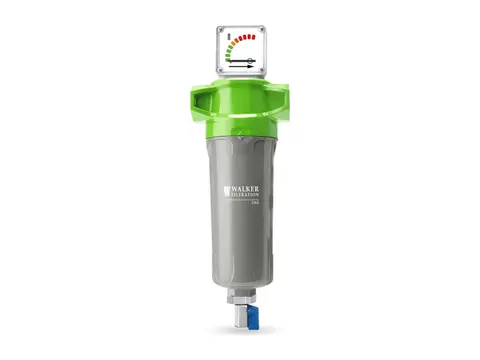
CNG Filters
Oil-free, particle-free natural gas from your compressor to the vehicle.
View product
-
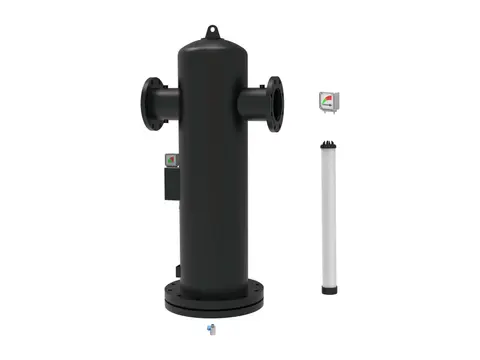
Centrifugal Moisture Separators
Bulk liquid out of your air by centrifugal force, with no element to replace.
View product -
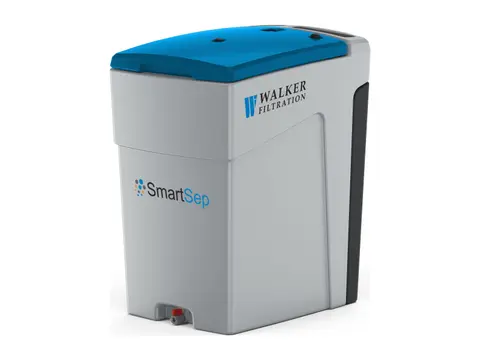
Oil Water Separator
Turns oily compressor condensate into water fit for sewer discharge.
View product -
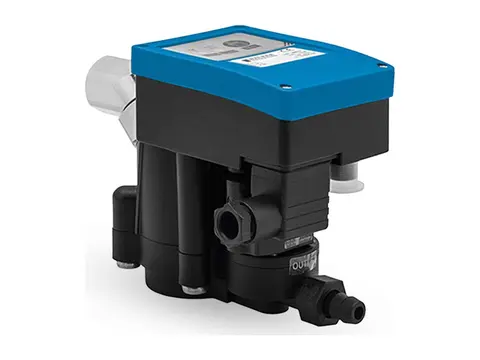
Zero-Loss Electronic Drain
Discharges every drop of condensate from your system, never your compressed air.
View product -
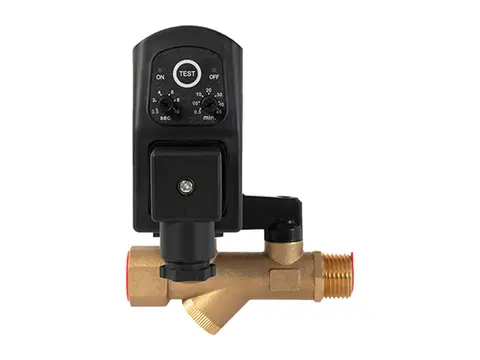
Timer Drain
Scheduled, positive condensate discharge from any collection point in your system.
View product -
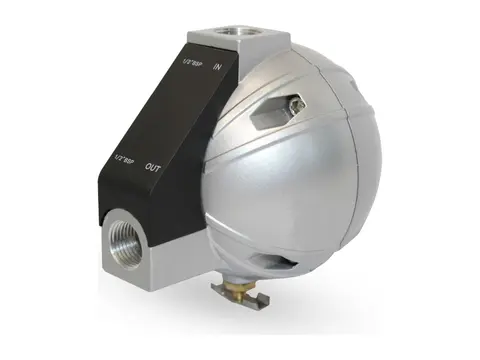
Mechanical Float Drain
Buoyancy-driven condensate removal with no power and no air loss.
View product -
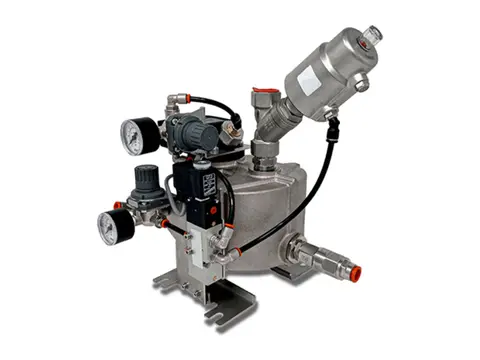
Vacuum Drain
Empties liquid from your vacuum system without breaking the vacuum.
View product
-
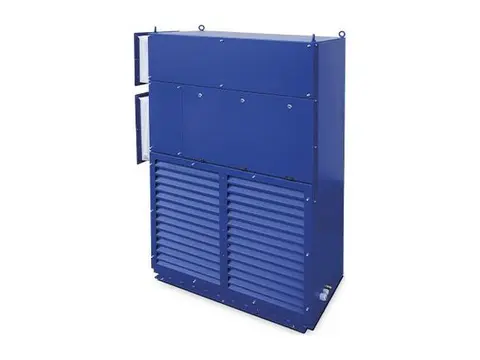
Crane Air Conditioner
Cool, clean cabins and electrical rooms for cranes working in extreme heat.
View product -
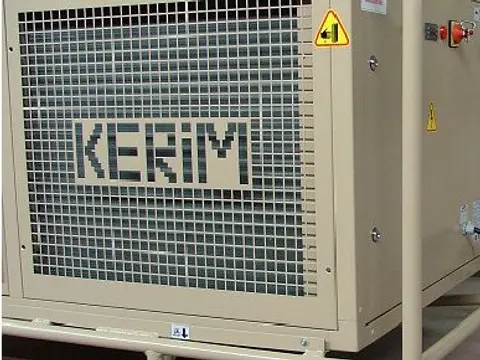
Tent Air Conditioner
Controlled climate for your tents, shelters and temporary structures.
View product -
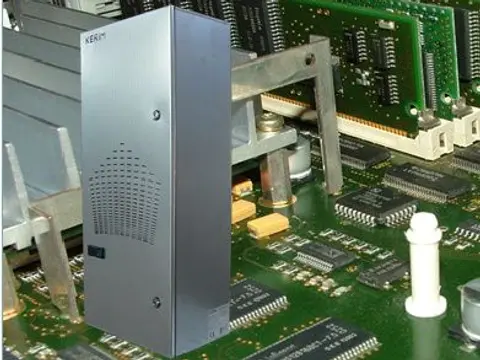
Panel Air Conditioner
Cool, clean, dry control panels, even in your hottest, dirtiest plant areas.
View product -
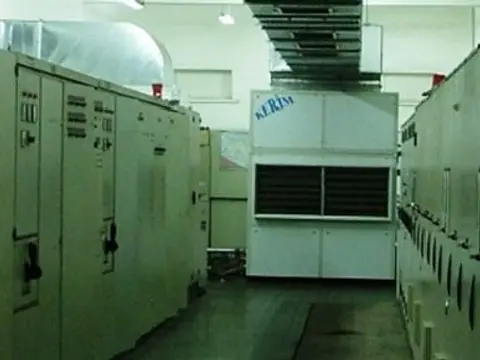
Air / Water Cooled Air Conditioner
Stable room temperatures for your electrical rooms in extreme plant heat.
View product
-
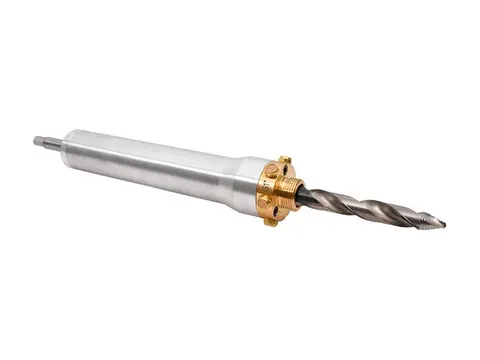
Hot Tapping
Add measurement ports to your live air lines without stopping production.
View product -
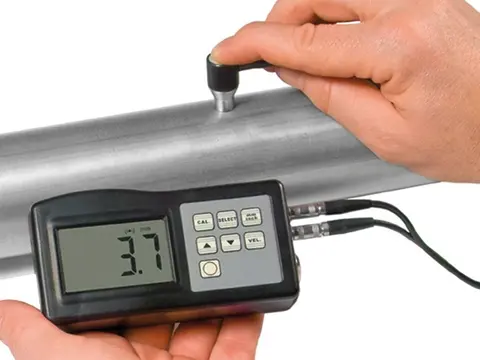
Digital Thickness Meter
Measure the metal left in your receivers and pipework, from the outside.
View product -
Dew Point Meter
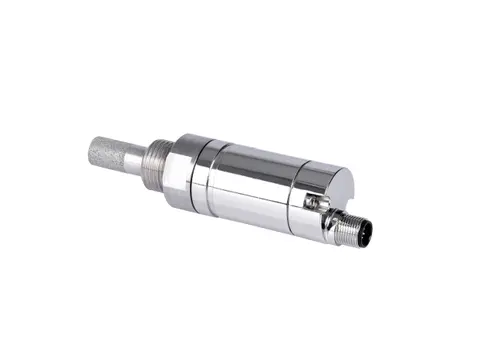
Proof your air is dry, measured at line pressure.
View product -
Flow Meter
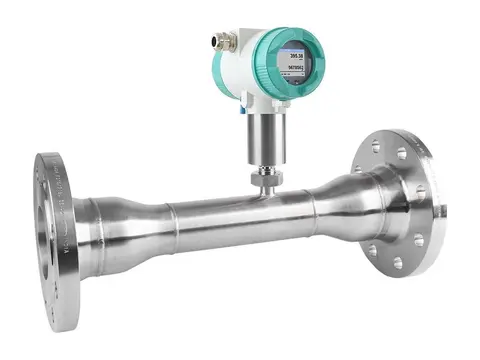
True standard flow of your compressed air, whatever the line pressure.
View product -
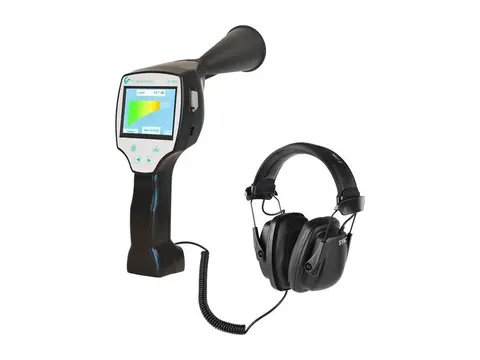
Leak Detector
Hear, locate and cost every compressed air leak in your plant.
View product -
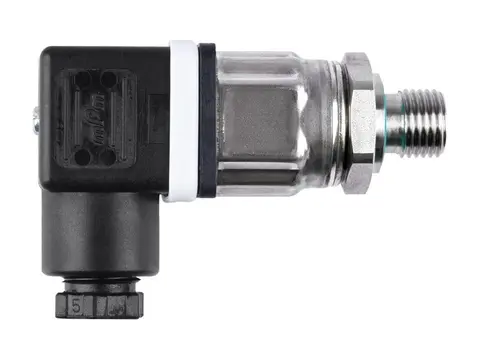
Pressure Sensor
Live pressure data from your compressor room to every point of use.
View product -
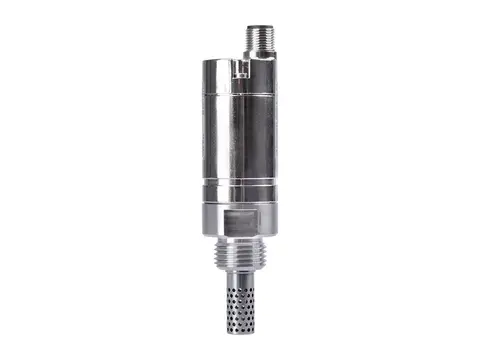
Humidity Meter
Humidity, temperature and dew point from one probe.
View product -
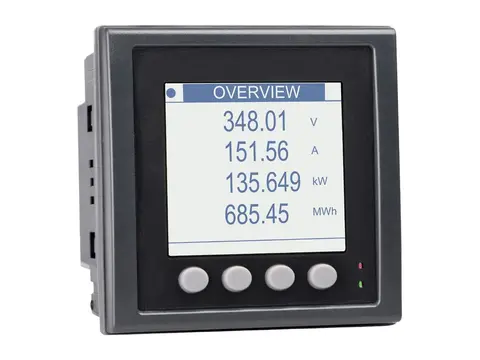
Power Meter
Measure the true power, energy and efficiency of your compressors.
View product
-
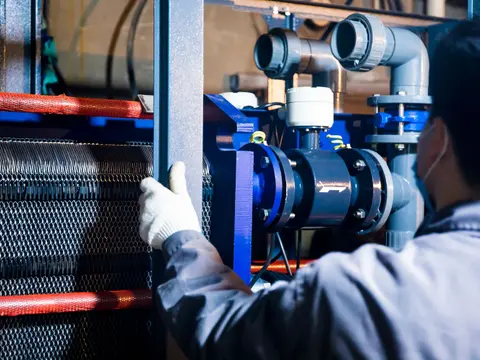
Health Testing of Compressed Air & Gas Dryers
Measured proof your dryer delivers its rated dew point.
View service -
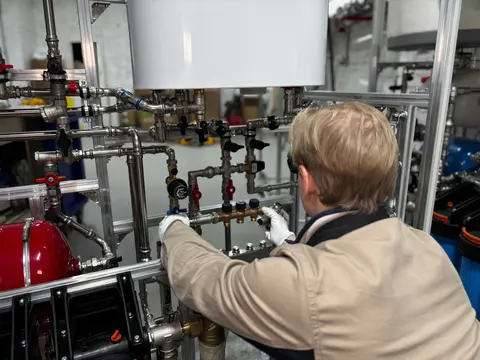
Commissioning and Service of Compressed Air & Gas Dryers
Verified dew point from first start-up through your dryer's service life.
View service -
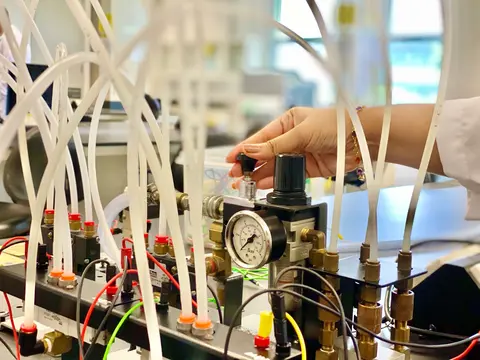
Compressed Air Quality Testing
Measured, documented proof of your compressed air purity class.
View service -
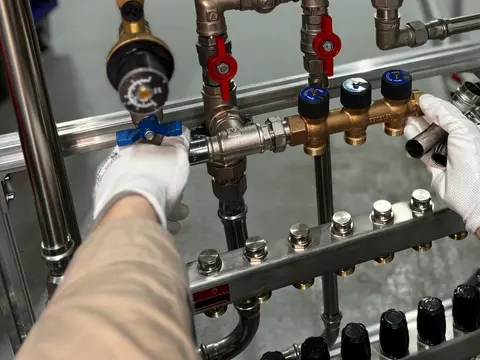
Dew Point Measurement Testing
Verified pressure dew point at the points that matter in your network.
View service -
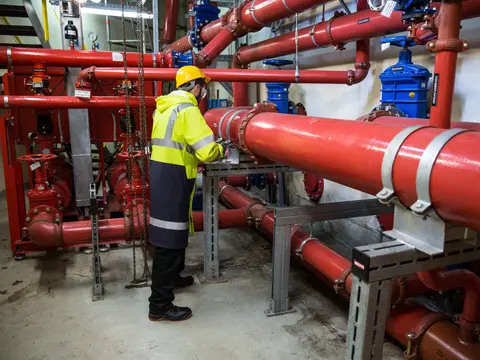
Compressed Air Flow Testing
Measured air demand, leakage and cost for your plant, not estimates.
View service -
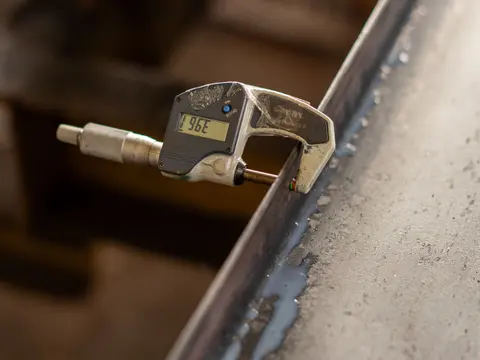
Wall Thickness Testing
Know the remaining wall, corrosion rate and safe life of your equipment.
View service -
Sourcing
Spares, consumables and whole systems for your plant, sourced globally.
View service
