
Compressed Air & Gas Filters
Medical Vacuum Filter
Keeps what your suction draws from patients on a filter, not in your pumps, your plant room or the air outside.
Product overview
A barrier between your patients and your vacuum plant
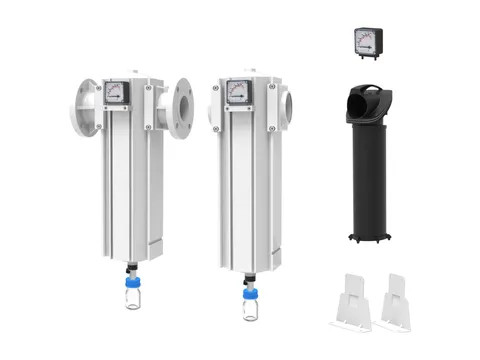
Wound drainage, airway suction, surgical suction and thoracic drainage all draw air from direct contact with a patient. The gas reaching your vacuum plant carries droplets of blood, mucus and irrigation fluid, and the microorganisms living in them. Our medical vacuum filter captures them on the suction side, before they reach the receiver, the pumps, the plant room or the exhaust.
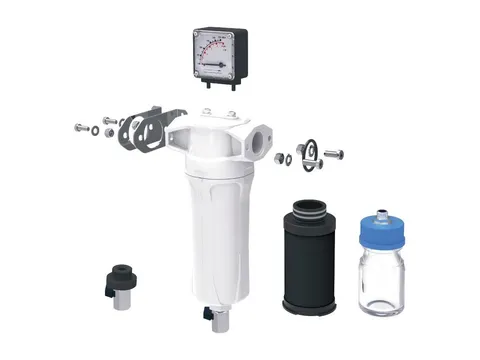
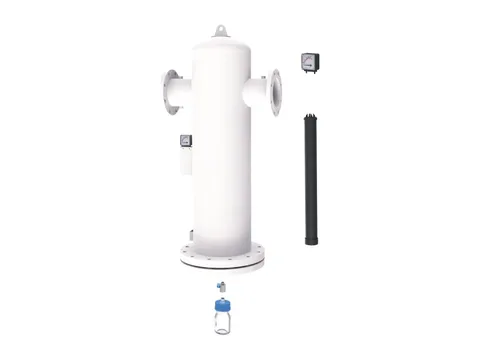
Its hydrophobic borosilicate glass microfibre element retains above 99.995 % in the sodium flame test to BS 3928, the efficiency HTM 02-01 specifies: no more than 50 of every 1,000,000 test particles pass. A drainage trap below collects liquid carryover, with a sight glass to show it and an isolation valve so it can be emptied without breaking the vacuum.
The filters are installed as a duplex pair in parallel, each able to carry the full plant flow, so one element can be changed while the other keeps your wards and theatres at full vacuum. The used element leaves as clinical waste, taking the captured pathogens with it.
- Above 99.995 %Sodium flame test efficiency, BS 3928
- 4.3 logReduction of the test aerosol
- 2.5 ×Gas volume at 40 kPa absolute, against atmospheric
- 12 monthsLongest interval between element changes
Benefits
The problems it solves
Every suction point in your hospital draws from a patient. Here is what that does to an unprotected vacuum plant, and how the filters stop it.
-
A plant full of pathogens
The problem
Warm, moist pumps and receivers hold organic matter, and without filtration microorganisms settle there and in the pump oil.
How it solves it
Above 99.995 % retention of the test aerosol keeps microorganisms out of your receiver, pumps and exhaust.
-
Liquid in the pumps
The problem
A slug of aspirated fluid can reach the pumps within seconds of a jar failure, emulsifying the oil and corroding internal surfaces.
How it solves it
The drainage trap collects liquid by gravity and holds it in view, so the element above stays dry and your pumps stay protected.
-
Contaminated maintenance
The problem
Every oil change and pump overhaul on an unfiltered plant exposes your engineers to infectious material.
How it solves it
Oil changes and overhauls proceed as routine engineering tasks, without decontamination steps, and exposure is limited to a planned element change.
-
Exhaust near occupied areas
The problem
Vacuum exhaust leaves at roof or wall level, close to where people walk and where air enters ventilation systems.
How it solves it
Air discharged outside your hospital has passed through high-efficiency filtration first.
-
Losing suction for a service
The problem
Theatres and critical care cannot lose suction for patients who cannot clear their own airways.
How it solves it
Duplex filters let you bring the standby filter online before isolating the loaded one, so terminal units stay at full vacuum throughout.
-
Failures you cannot see
The problem
A bedside jar shut-off fails somewhere in the building, or an element loads until the plant cannot hold its vacuum at peak demand.
How it solves it
Liquid in the trap sight glass flags a failed jar, and the differential pressure gauge shows element loading before patients are affected.
Where it’s used
Wherever suction is drawn from a patient
From a single day surgery centre to an acute hospital with hundreds of terminal units, one filter bank at the plant protects every pipeline branch.
-
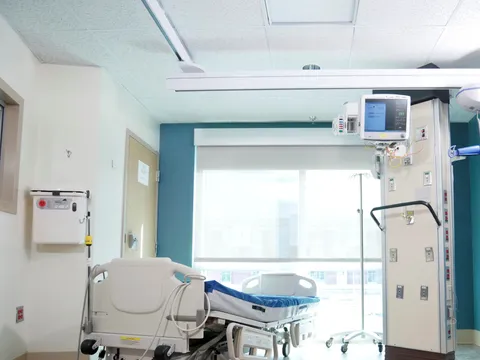
Acute hospitals
Central vacuum plants serving operating theatres, intensive care, emergency departments, maternity units and general wards.
-
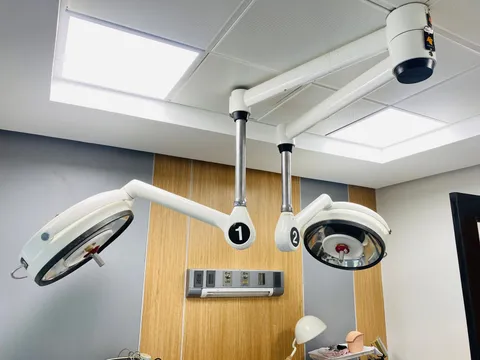
Operating theatres
Surgical suction removing blood, irrigation fluid and tissue debris, and drawing aerosols from electrosurgery.
-
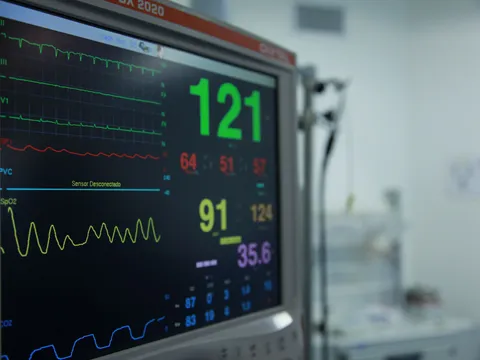
Critical care and isolation
Airway suction of ventilated patients and of patients with airborne infections, the heaviest pathogen load on the plant filter.
-
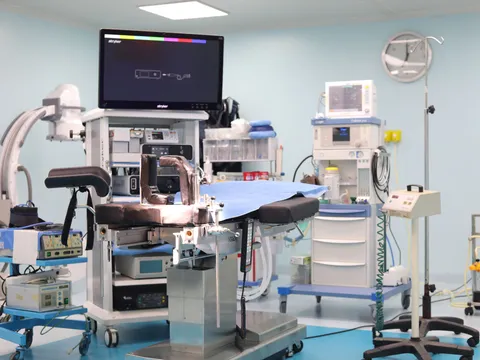
Day surgery and endoscopy
Endoscopic suction clearing fluid and debris from the view.
-
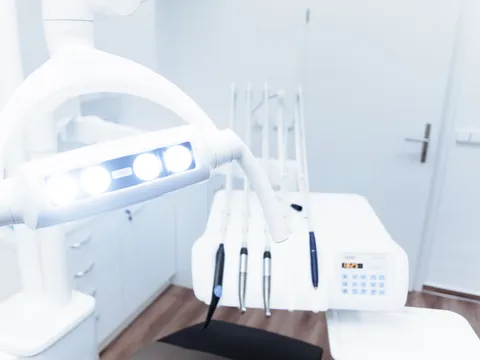
Dental hospitals and clinics
Dental suction handling saliva, blood and spray aerosol from high-speed handpieces.
-

Laboratories
Aspiration of cultures and cell media, where filtration keeps organisms out of the building vacuum.
Also respiratory and thoracic medicine, obstetrics, veterinary hospitals, mortuaries and pathology, and hospital refurbishments bringing existing vacuum plants into line with HTM 02-01 and ISO 7396-1.
How it works
Trap, filter, protect
Liquid falls out first, the bacteria filter holds the microorganisms, and only clean gas reaches your receiver, pumps and exhaust.
-
1. Trap the liquidAt the plant inlet, gas passes into the larger drainage trap and slows. Liquid slugs and large droplets fall out under gravity while the gas turns up towards the filter. The sight glass shows when liquid has arrived, and the trap is emptied after isolating and venting it.
-
2. Capture the microbesIn the in-service filter, a pleated, hydrophobic glass microfibre medium captures bacteria, fungal spores and virus-carrying droplets by impaction, interception and diffusion, with an efficiency above 99.995 % in the sodium flame test to BS 3928.
-
3. Clean gas onFiltered gas goes on to the vacuum receiver and the pumps, so maintenance staff open a clean pump, and the exhaust discharges outdoors stripped of the microorganisms it carried.
-
4. Read the loadingThe differential pressure gauge across the in-service filter shows how far its element has loaded. A sudden rise indicates a wetted element; a fall to near zero indicates a ruptured element or leaking seal.
-
5. Change over without stoppingFilter 2 stands isolated, ready. To change filter 1's element, filter 2's outlet and then inlet valves open, filter 1's inlet and then outlet valves close, and its housing is vented slowly and serviced while your terminal units stay at full vacuum.
Flow figures through a medical vacuum filter are read in actual volume at operating vacuum, not free air volume.
Get the full details
Our brochure covers it in detail, and our questionnaire tells us what we need to recommend the right one for your plant.
Keep exploring
More from our range
Equipment for every stage of your compressed air, and our own engineers to test, commission and look after it.
-
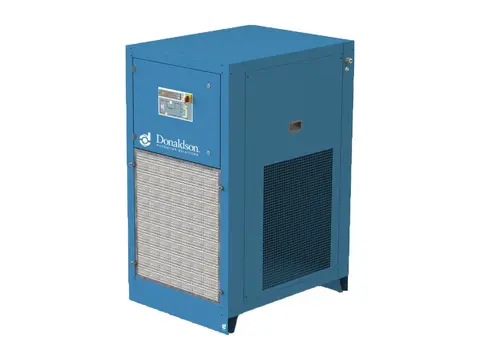
Refrigerated Air Dryers
Dry, condensate-free air for your plant, with no compressed air spent drying.
View product -
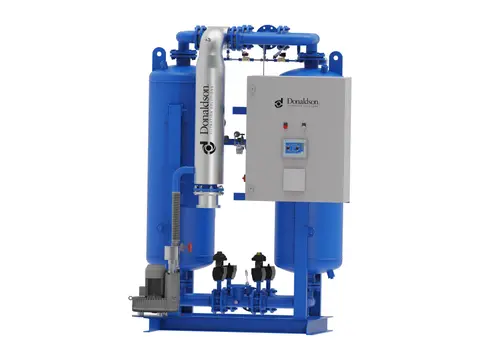
Heated Desiccant Dryers
Deep, stable dew points for your air, with heat doing the regeneration.
View product -
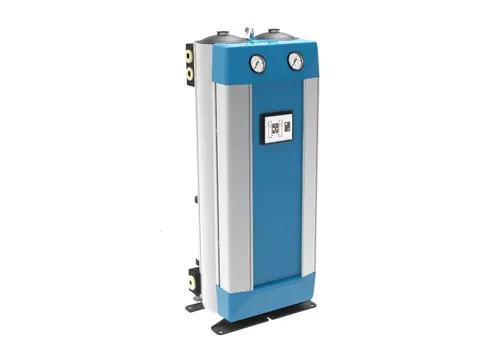
Heatless Desiccant Dryers
Deep dew points without heaters, for hazardous areas and remote sites.
View product -
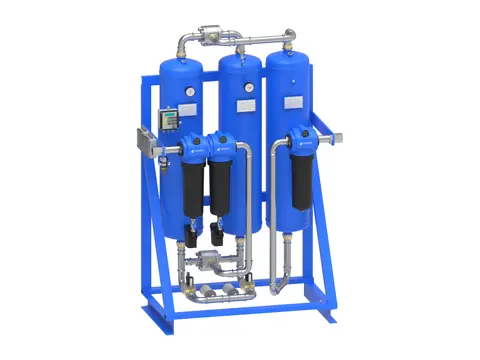
Breathing Air Systems
Your plant’s compressed air, made safe to breathe.
View product -
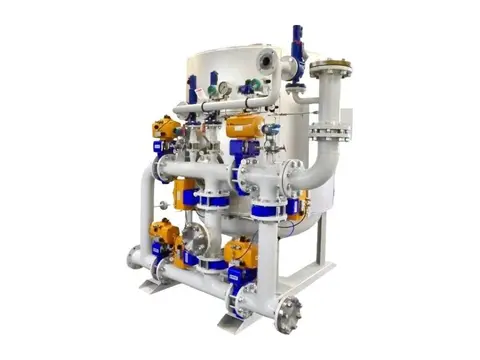
Hydrogen Dryers & De-Oxo Units
Electrolytic hydrogen purified of oxygen and water, ready for fuel cells.
View product -
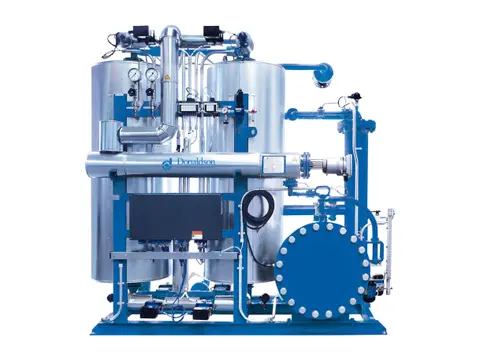
Biogas & Natural Gas Dryers
Dry, condensate-free fuel gas for your engines, boilers and upgrading plant.
View product -
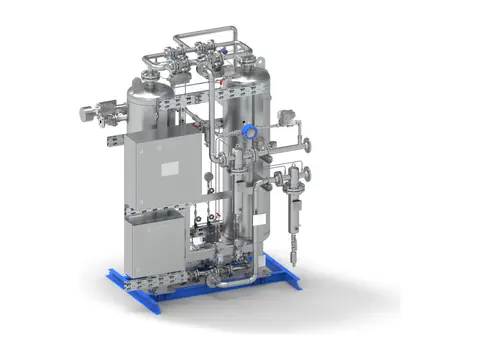
CO₂ Dryers
Beverage-grade dry CO₂ for your recovery plant, with no gas vented.
View product -
Membrane Dryers
Dry air at the point of use, with no power and no moving parts.
View product
-
Coalescing Filters
Takes oil and water aerosols out of your air, down to 0.01 mg/m³.
View product -
Particulate Filters
Dry, dust-free air for your plant, down to 0.01 µm particles.
View product -
Compressed Air Duplex Filters
Change filter elements without interrupting your air supply.
View product -
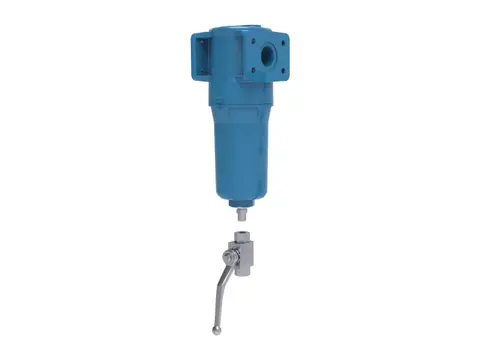
High Pressure Filters
Certified air purity for your high-pressure lines, up to 350 bar g.
View product -
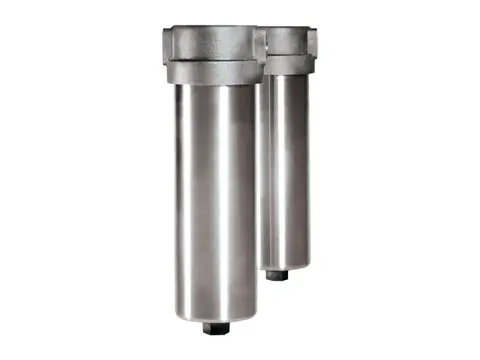
High Temperature Filters
Particle-free compressed air and gas where your process runs hot.
View product -
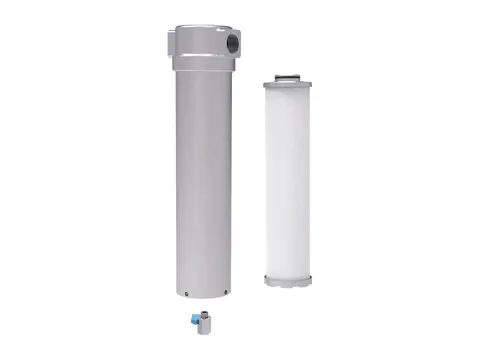
Ammonia and Refrigerant Filters
Keeps compressor oil out of your condensers and evaporators.
View product -
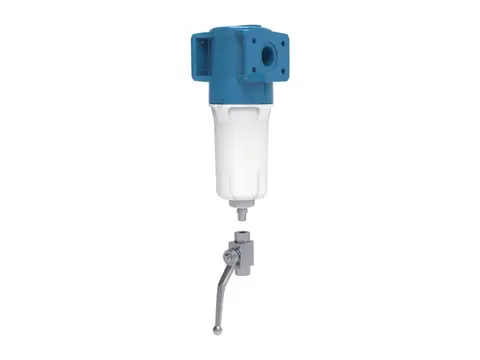
Oxygen Filters
Particle-free oxygen for your system, without adding an ignition source.
View product -
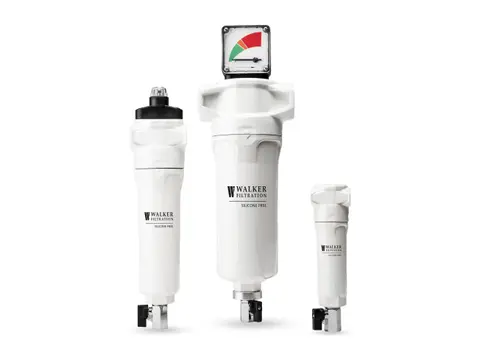
Silicone-Free Filters
Crater-free paint finishes, from air free of paint-wetting contaminants.
View product -
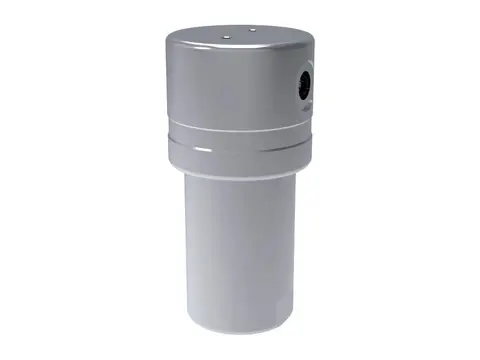
Hydrogen Filters
Particle, aerosol and oil-free hydrogen, from electrolyser to dispenser.
View product -
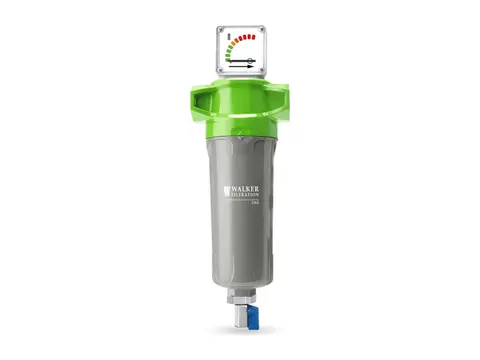
CNG Filters
Oil-free, particle-free natural gas from your compressor to the vehicle.
View product
-
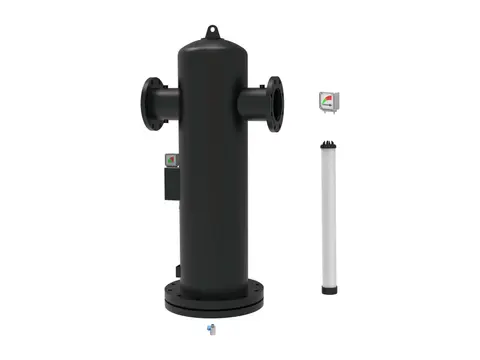
Centrifugal Moisture Separators
Bulk liquid out of your air by centrifugal force, with no element to replace.
View product -
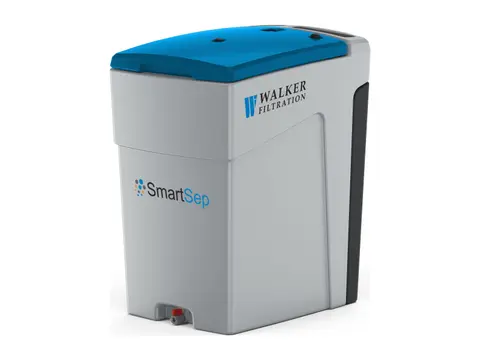
Oil Water Separator
Turns oily compressor condensate into water fit for sewer discharge.
View product -
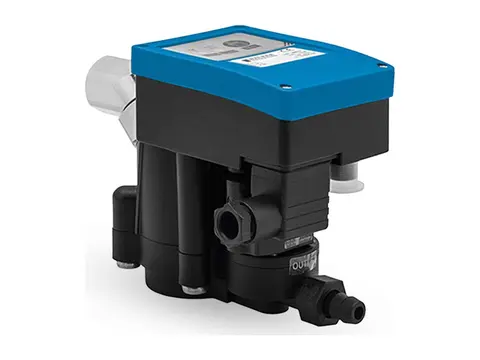
Zero-Loss Electronic Drain
Discharges every drop of condensate from your system, never your compressed air.
View product -
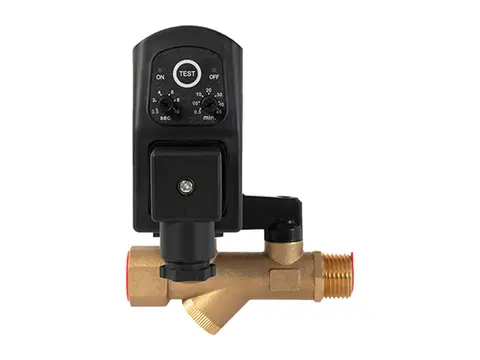
Timer Drain
Scheduled, positive condensate discharge from any collection point in your system.
View product -
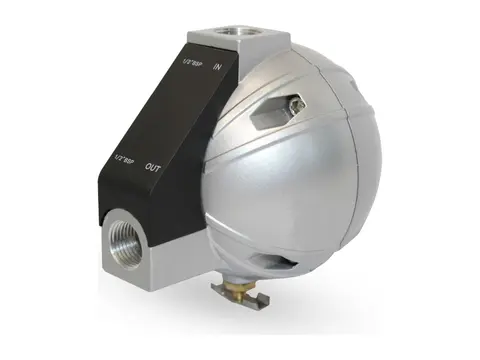
Mechanical Float Drain
Buoyancy-driven condensate removal with no power and no air loss.
View product -
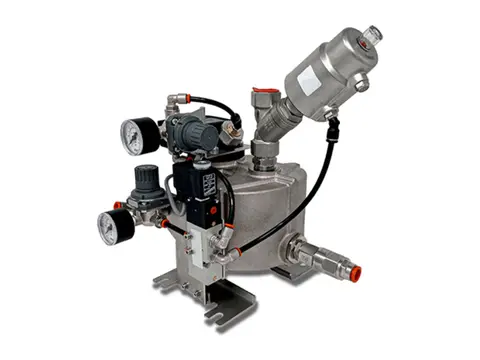
Vacuum Drain
Empties liquid from your vacuum system without breaking the vacuum.
View product
-
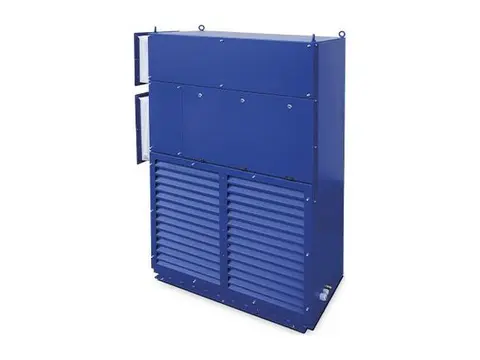
Crane Air Conditioner
Cool, clean cabins and electrical rooms for cranes working in extreme heat.
View product -
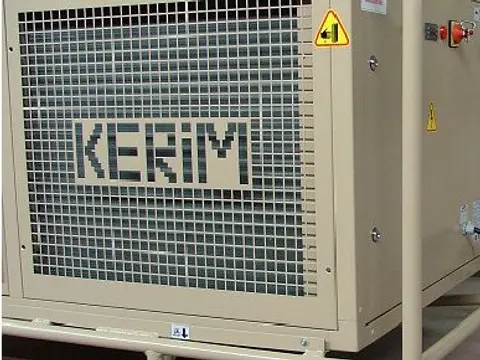
Tent Air Conditioner
Controlled climate for your tents, shelters and temporary structures.
View product -
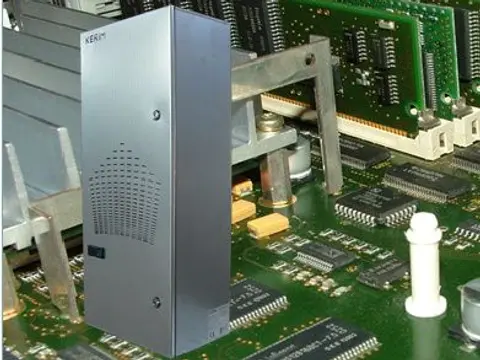
Panel Air Conditioner
Cool, clean, dry control panels, even in your hottest, dirtiest plant areas.
View product -
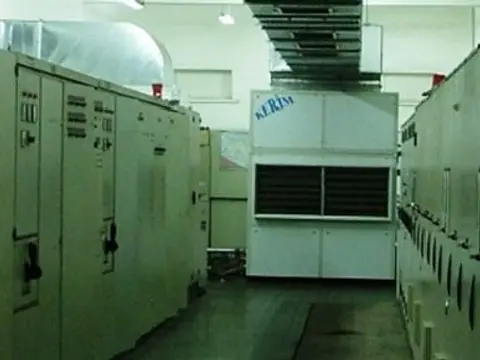
Air / Water Cooled Air Conditioner
Stable room temperatures for your electrical rooms in extreme plant heat.
View product
-
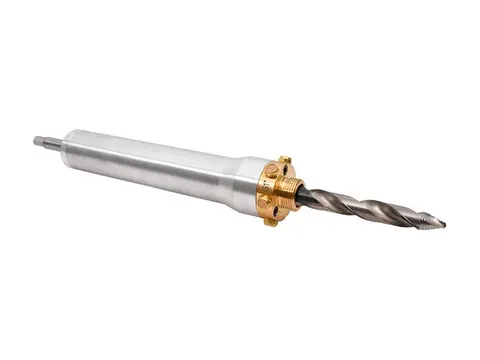
Hot Tapping
Add measurement ports to your live air lines without stopping production.
View product -
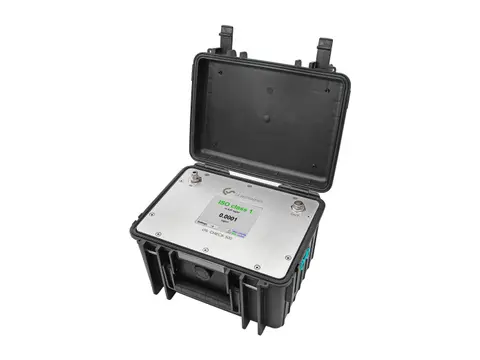
Compressed Air Quality Measurement
Prove your air's ISO 8573-1 purity: particles, oil and dew point.
View product -
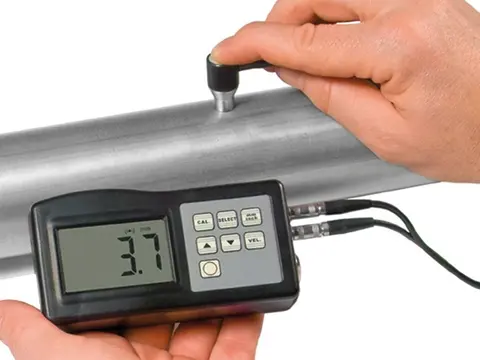
Digital Thickness Meter
Measure the metal left in your receivers and pipework, from the outside.
View product -
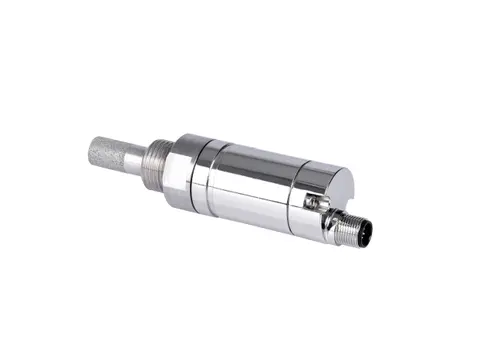
Dew Point Meter
Proof your air is dry, measured at line pressure.
View product -
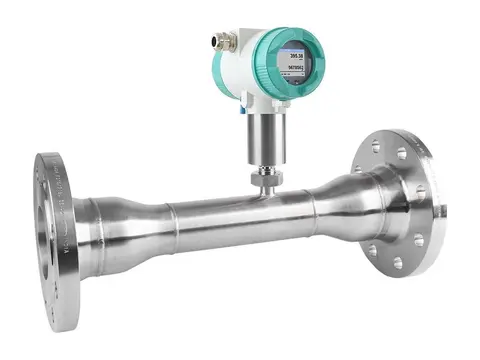
Flow Meter
True standard flow of your compressed air, whatever the line pressure.
View product -
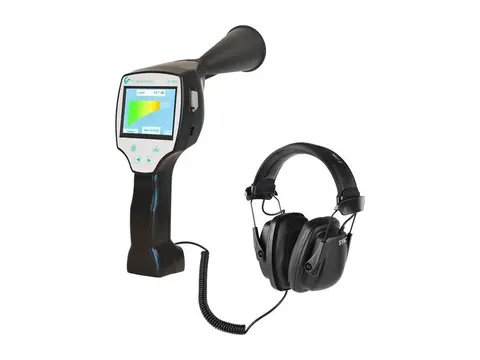
Leak Detector
Hear, locate and cost every compressed air leak in your plant.
View product -
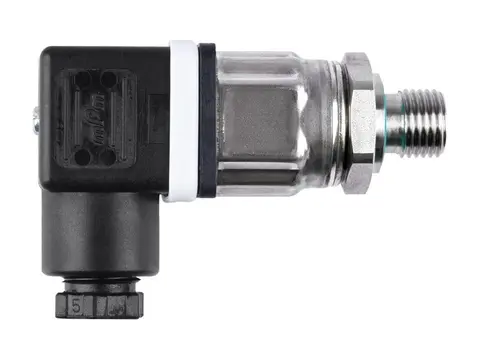
Pressure Sensor
Live pressure data from your compressor room to every point of use.
View product -
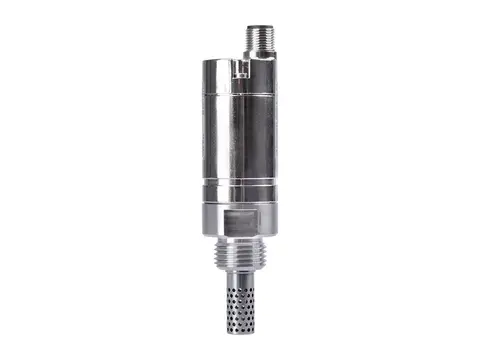
Humidity Meter
Humidity, temperature and dew point from one probe.
View product -
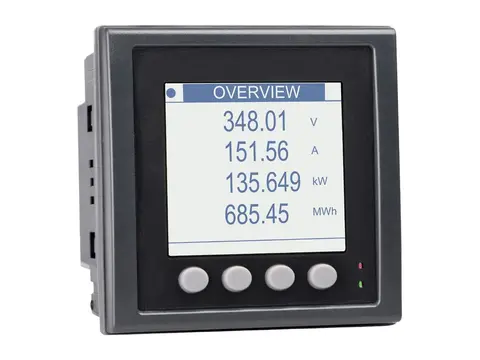
Power Meter
Measure the true power, energy and efficiency of your compressors.
View product
-
Health Testing of Compressed Air & Gas Dryers
Measured proof your dryer delivers its rated dew point.
View service -
Commissioning and Service of Compressed Air & Gas Dryers
Verified dew point from first start-up through your dryer's service life.
View service -
Compressed Air Quality Testing
Measured, documented proof of your compressed air purity class.
View service -
Dew Point Measurement Testing
Verified pressure dew point at the points that matter in your network.
View service -
Compressed Air Flow Testing
Measured air demand, leakage and cost for your plant, not estimates.
View service -
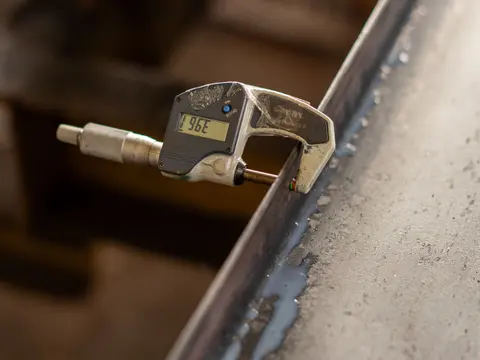
Wall Thickness Testing
Know the remaining wall, corrosion rate and safe life of your equipment.
View service -
Sourcing
Spares, consumables and whole systems for your plant, sourced globally.
View service
