

Compressed Air & Gas Dryers
Hydrogen Dryer and De-Oxo Unit
Fuel-cell-grade hydrogen straight from your electrolyser, with oxygen and water each below 5 ppmv and no hydrogen vented in normal running.
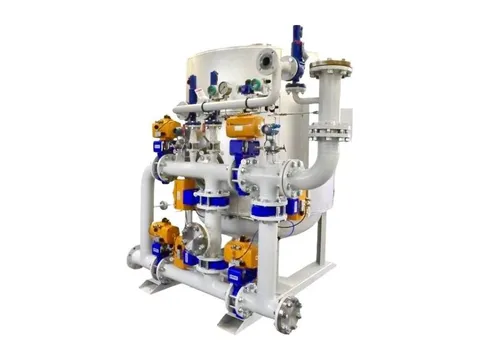
Product overview
Pure, dry hydrogen from your electrolyser
Our hydrogen dryer and de-oxo unit purifies the hydrogen your electrolyser makes. It removes the two impurities every electrolyser releases with its product gas, oxygen and water vapour, and delivers hydrogen with each below 5 µmol/mol (ppmv), the limits ISO 14687:2019 Grade D sets for fuel cell vehicles.
First, a palladium or platinum catalyst recombines the oxygen with hydrogen to form water. Then twin towers of molecular sieve adsorb the water vapour, including the water the reactor has just made. One tower dries while the other is regenerated by heat, so purified hydrogen flows continuously.
The regeneration gas is heated, passed through the saturated tower, cooled and returned to the process, so the water leaves as liquid condensate and no hydrogen is vented during normal operation. With hydrogen added, the same catalytic process removes oxygen from nitrogen and argon.
- Below 5 ppmvOxygen and water, each
- Below 1 ppmvOutlet oxygen, commonly achieved
- 0.2 %Of product flow used to remove 1,000 ppmv oxygen
- ZeroHydrogen vented in normal operation
Benefits
The problems it solves
Every electrolyser keeps its hydrogen and oxygen apart with only a thin membrane or diaphragm, so raw electrolytic hydrogen is always wet and carries oxygen. Here is what that does, and how the unit stops it.
-
Off-specification fuel
The problem
ISO 14687:2019 Grade D limits water and oxygen each to 5 µmol/mol, and oxygen at 1,000 ppmv alone exceeds the 300 µmol/mol total impurity allowance more than threefold.
How it solves it
Oxygen and water below 5 ppmv meet Grade D, and outlet oxygen below 1 ppmv is commonly achieved.
-
Ice at the dispenser
The problem
Stations pre-cool hydrogen to about −40 °C before filling at 70 MPa, and water in the gas freezes in valves, filters and the nozzle.
How it solves it
Water at 5 ppmv corresponds to a frost point of about −65 °C at atmospheric pressure, so your dispensers and pre-cooled lines stay free of ice.
-
Oxygen gathering in storage
The problem
Hydrogen containing oxygen becomes flammable above roughly 6 % oxygen, and oxygen concentrates during part-load operation of the electrolyser.
How it solves it
Removing oxygen at the source keeps your storage vessels, compressors and pipelines free of accumulating oxygen.
-
Swings in electrolyser load
The problem
At part load, crossover through the membrane continues while hydrogen production falls, so the oxygen in the gas rises.
How it solves it
The catalyst converts the higher oxygen concentrations produced at low load, which suits electrolysers following wind and solar power.
-
Hydrogen lost to purging
The problem
Electrolytic hydrogen costs the electricity used to make it, typically 50–55 kWh per kilogram at the system level.
How it solves it
Regeneration gas returns to the process, and removing oxygen consumes only twice its own volume of hydrogen, 0.2 % of the product flow at 1,000 ppmv oxygen.
-
Damaged downstream equipment
The problem
Water carries ions into fuel cells that reduce membrane conductivity, and oxygen compounds poison ammonia synthesis catalysts.
How it solves it
Your compressors, dispensers, fuel cells and synthesis catalysts receive dry, oxygen-free gas.
Where it’s used
Wherever electrolytic hydrogen is made or used
From green hydrogen plants to the industries that run on hydrogen, clean, dry, oxygen-free gas keeps your process and your equipment on specification.
-
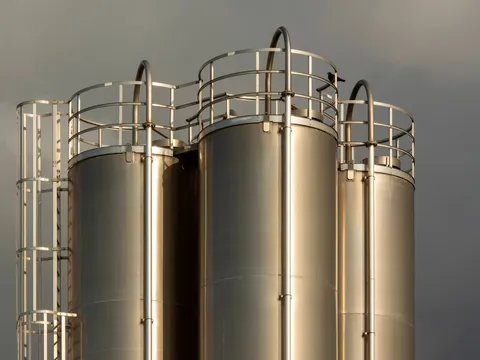
Green hydrogen production
Alkaline, PEM and AEM electrolysers reaching 99.97 % purity for fuel cells, or 99.999 % (grade 5.0) for industrial customers.
-

Hydrogen refuelling stations
On-site electrolytic hydrogen purified before compression to 45–90 MPa storage, with fuel quality controlled to ISO 19880-8.
-

Fuel cell power
Stationary PEM fuel cells supplying telecom sites, data centres and off-grid power.
-

Ammonia and methanol
Power-to-X plants purify electrolytic hydrogen before synthesis, because oxygen compounds poison the iron-based ammonia catalyst.
-
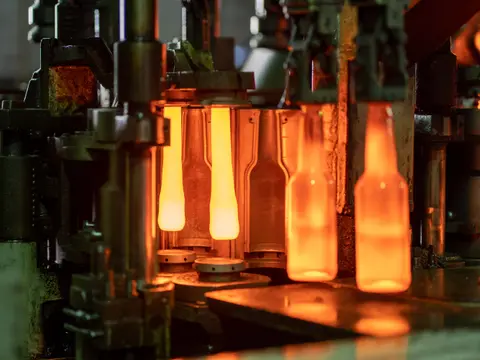
Float glass
A tin bath atmosphere of nitrogen with a few percent hydrogen, kept free of the oxygen and moisture that leave tin oxide defects on the glass.
-
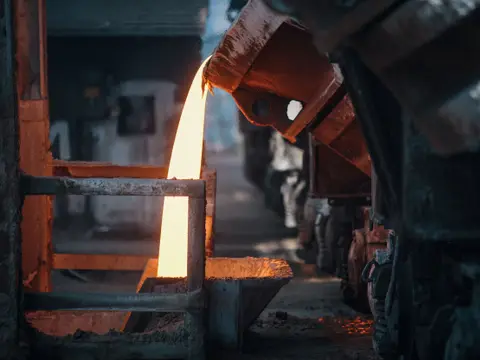
Metal heat treatment
Bright annealing of stainless steel and powder metallurgy sintering, where very low dew points prevent chromium oxide forming.
Also electronics and semiconductors, hydrogen-cooled turbogenerators, edible oil and chemical hydrogenation, chlor-alkali by-product hydrogen, nitrogen and argon purification, and hydrogen for laboratory gas chromatographs.
How it works
React, cool, adsorb, regenerate
The oxygen is turned into water first, then all the water is taken out. The dryer’s regeneration loop runs on a slip stream of your own hydrogen, and gives it back.
-
1. Pre-heatHydrogen leaves the electrolyser’s separator saturated with water. The pre-heater warms it a few kelvin above its dew point, so no liquid water forms on the catalyst.
-
2. De-oxoOn a palladium or platinum catalyst, the oxygen recombines with hydrogen to form water vapour. The reaction heats the gas by about 17 K for every 1,000 ppmv of oxygen converted, so the temperature rise across the reactor shows the conversion.
-
3. Cool and separateThe after-cooler condenses most of the reaction water, which drains from the separator, and brings the gas down to a temperature at which molecular sieve holds much more water.
-
4. AdsorbThe hydrogen rises through Tower A, where the molecular sieve holds its water, and leaves with oxygen and water each below 5 ppmv. Adsorption steps commonly last from several hours to a day.
-
5. RegenerateA slip stream taken upstream of the differential pressure valve is heated, typically to 200–300 °C, and flows down through Tower B. The regeneration cooler condenses the released water, which drains away, and the gas rejoins the main flow downstream of the valve, so no hydrogen is vented.
Get the full details
Our brochure covers it in detail, and our questionnaire tells us what we need to recommend the right one for your plant.
Keep exploring
More from our range
Equipment for every stage of your compressed air, and our own engineers to test, commission and look after it.
-
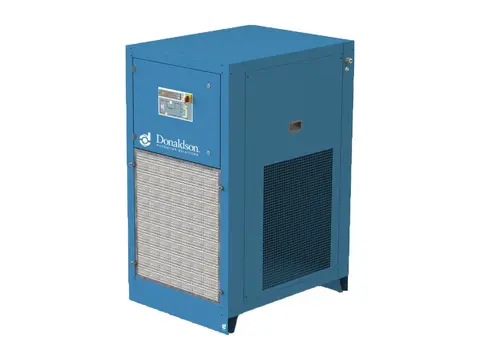
Refrigerated Air Dryers
Dry, condensate-free air for your plant, with no compressed air spent drying.
View product -
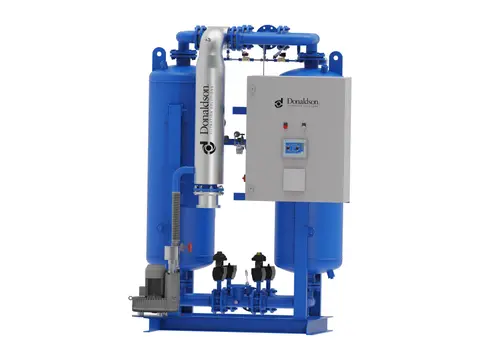
Heated Desiccant Dryers
Deep, stable dew points for your air, with heat doing the regeneration.
View product -
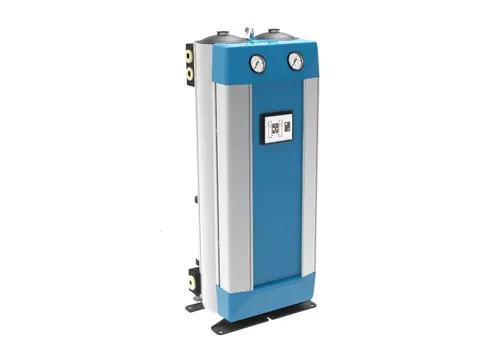
Heatless Desiccant Dryers
Deep dew points without heaters, for hazardous areas and remote sites.
View product -
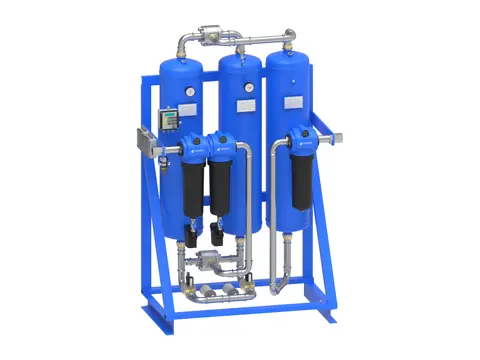
Breathing Air Systems
Your plant’s compressed air, made safe to breathe.
View product -
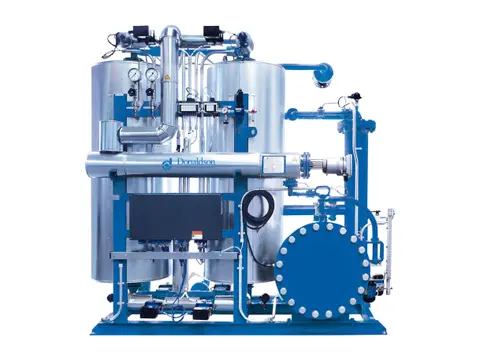
Biogas & Natural Gas Dryers
Dry, condensate-free fuel gas for your engines, boilers and upgrading plant.
View product -
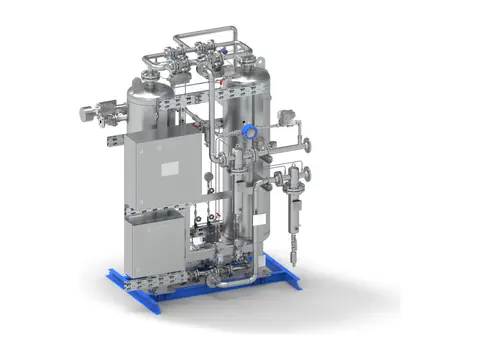
CO₂ Dryers
Beverage-grade dry CO₂ for your recovery plant, with no gas vented.
View product -
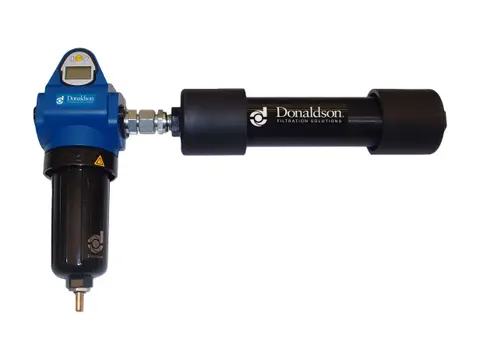
Membrane Dryers
Dry air at the point of use, with no power and no moving parts.
View product
-
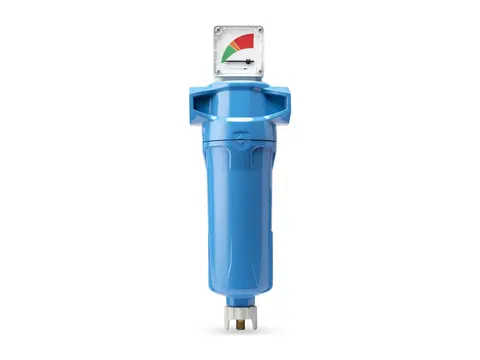
Coalescing Filters
Takes oil and water aerosols out of your air, down to 0.01 mg/m³.
View product -
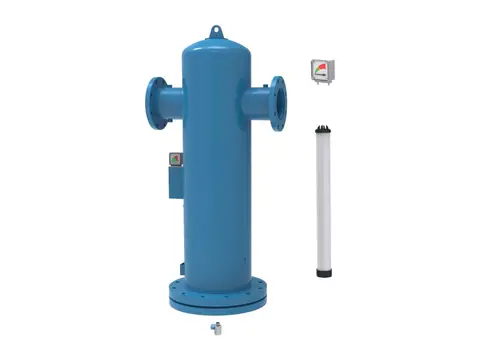
Particulate Filters
Dry, dust-free air for your plant, down to 0.01 µm particles.
View product -
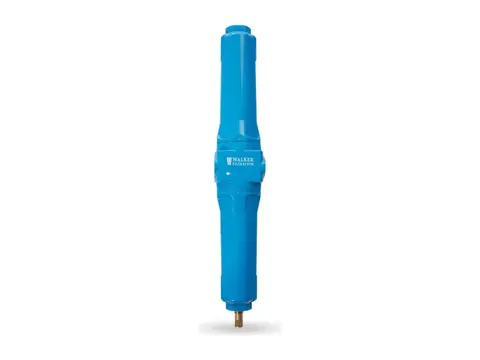
Compressed Air Duplex Filters
Change filter elements without interrupting your air supply.
View product -
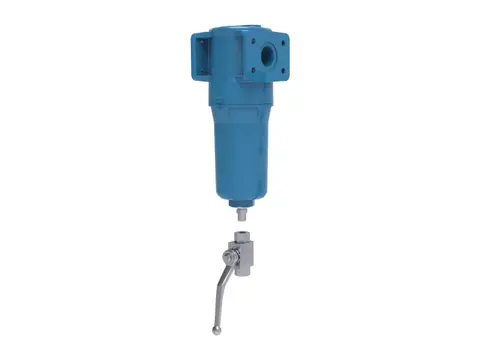
High Pressure Filters
Certified air purity for your high-pressure lines, up to 350 bar g.
View product -
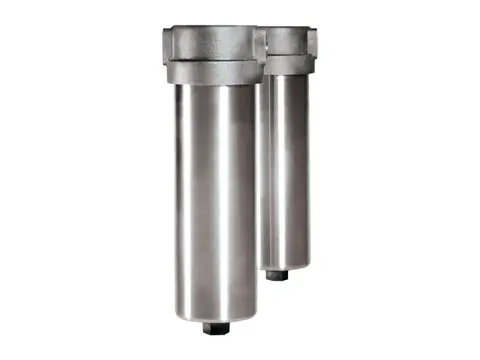
High Temperature Filters
Particle-free compressed air and gas where your process runs hot.
View product -
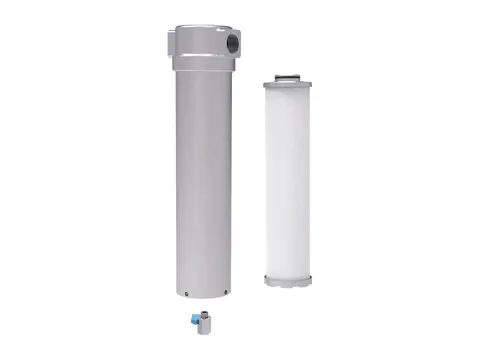
Ammonia and Refrigerant Filters
Keeps compressor oil out of your condensers and evaporators.
View product -
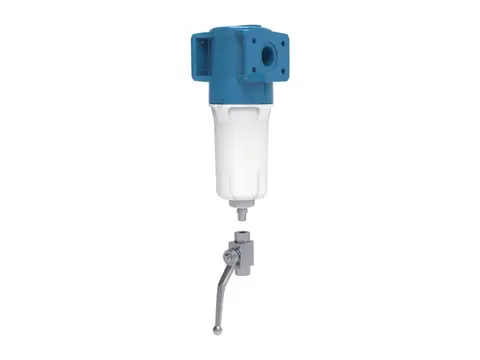
Oxygen Filters
Particle-free oxygen for your system, without adding an ignition source.
View product -
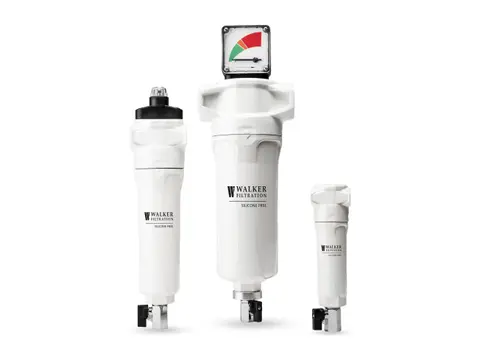
Silicone-Free Filters
Crater-free paint finishes, from air free of paint-wetting contaminants.
View product -
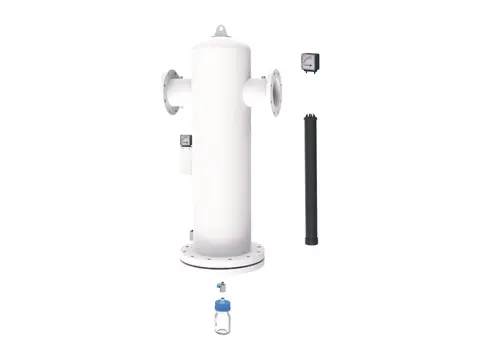
Medical Vacuum Filters
Keeps pathogens from hospital suction away from your pumps and exhaust.
View product -
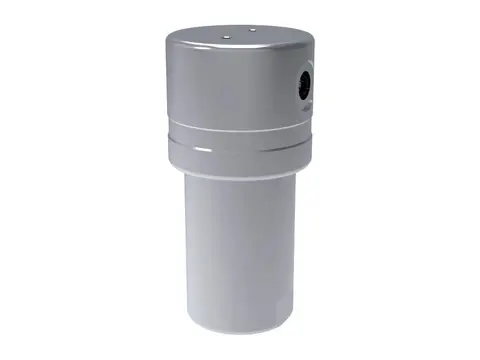
Hydrogen Filters
Particle, aerosol and oil-free hydrogen, from electrolyser to dispenser.
View product -
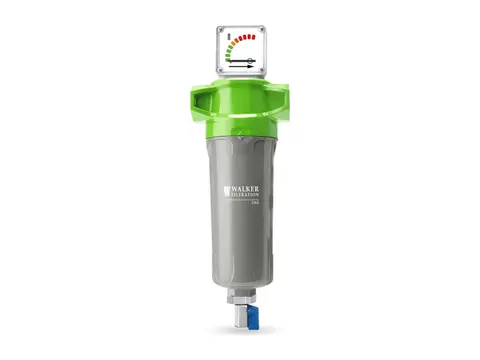
CNG Filters
Oil-free, particle-free natural gas from your compressor to the vehicle.
View product
-
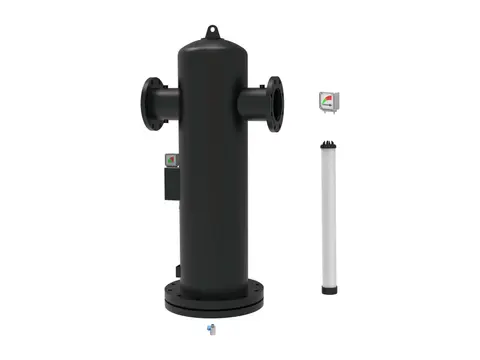
Centrifugal Moisture Separators
Bulk liquid out of your air by centrifugal force, with no element to replace.
View product -
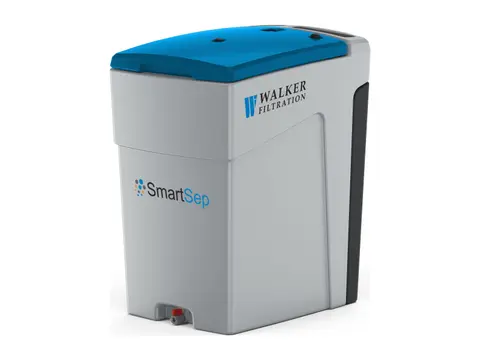
Oil Water Separator
Turns oily compressor condensate into water fit for sewer discharge.
View product -
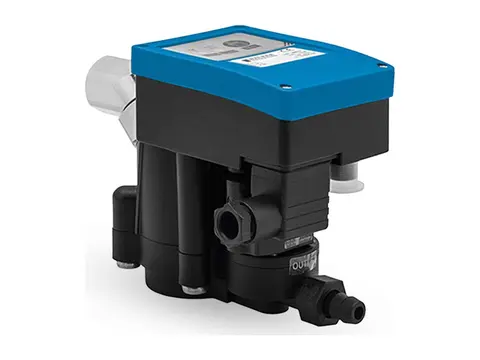
Zero-Loss Electronic Drain
Discharges every drop of condensate from your system, never your compressed air.
View product -
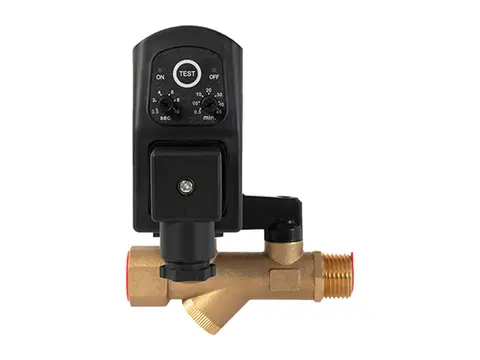
Timer Drain
Scheduled, positive condensate discharge from any collection point in your system.
View product -
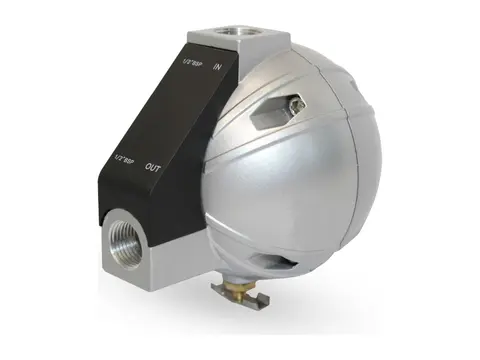
Mechanical Float Drain
Buoyancy-driven condensate removal with no power and no air loss.
View product -
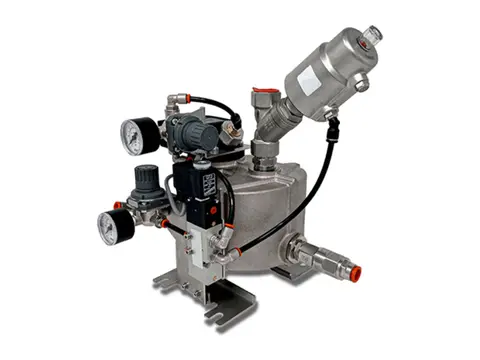
Vacuum Drain
Empties liquid from your vacuum system without breaking the vacuum.
View product
-
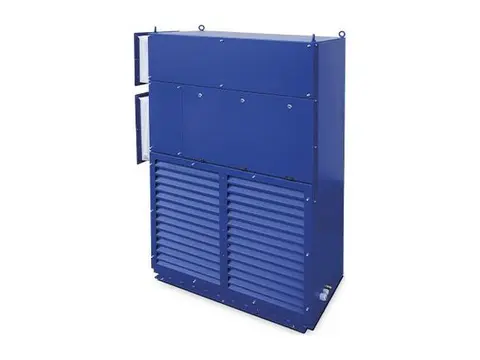
Crane Air Conditioner
Cool, clean cabins and electrical rooms for cranes working in extreme heat.
View product -
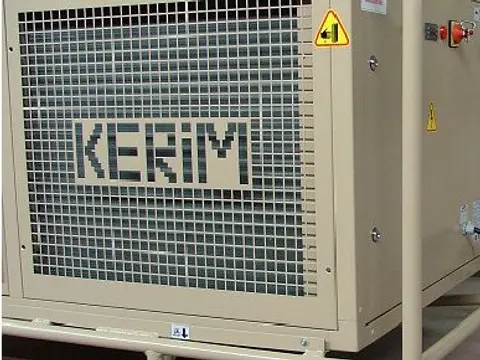
Tent Air Conditioner
Controlled climate for your tents, shelters and temporary structures.
View product -
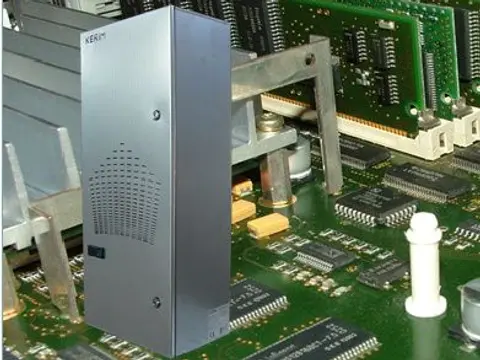
Panel Air Conditioner
Cool, clean, dry control panels, even in your hottest, dirtiest plant areas.
View product -
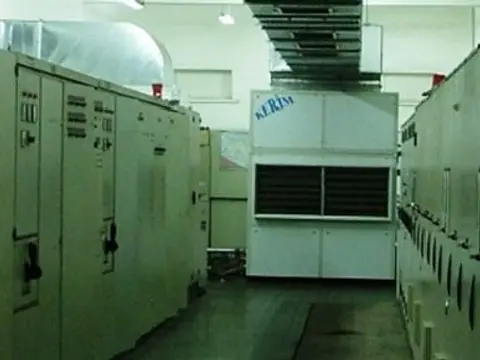
Air / Water Cooled Air Conditioner
Stable room temperatures for your electrical rooms in extreme plant heat.
View product
-
Hot Tapping
Add measurement ports to your live air lines without stopping production.
View product -
Compressed Air Quality Measurement
Prove your air's ISO 8573-1 purity: particles, oil and dew point.
View product -
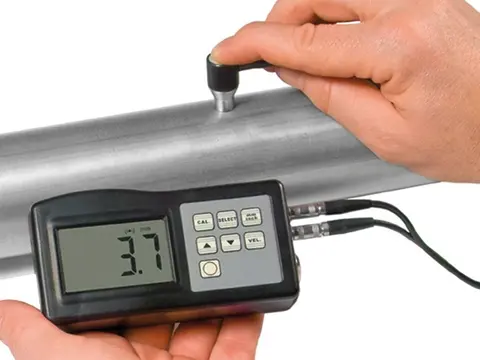
Digital Thickness Meter
Measure the metal left in your receivers and pipework, from the outside.
View product -
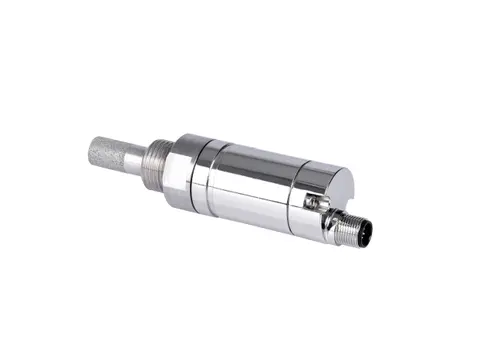
Dew Point Meter
Proof your air is dry, measured at line pressure.
View product -
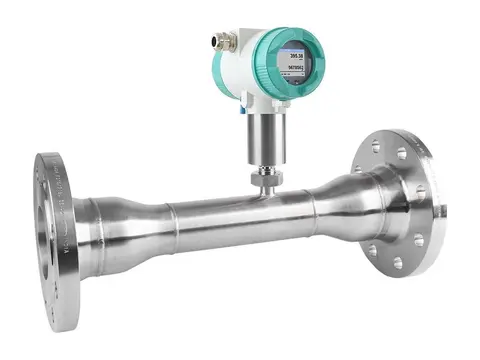
Flow Meter
True standard flow of your compressed air, whatever the line pressure.
View product -

Leak Detector
Hear, locate and cost every compressed air leak in your plant.
View product -
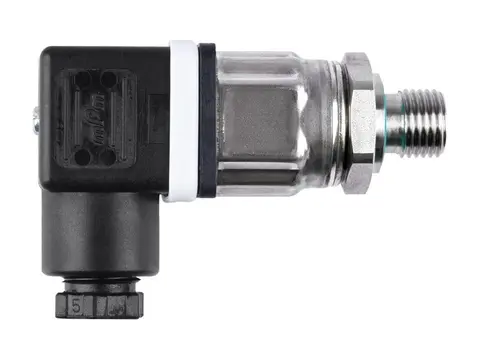
Pressure Sensor
Live pressure data from your compressor room to every point of use.
View product -
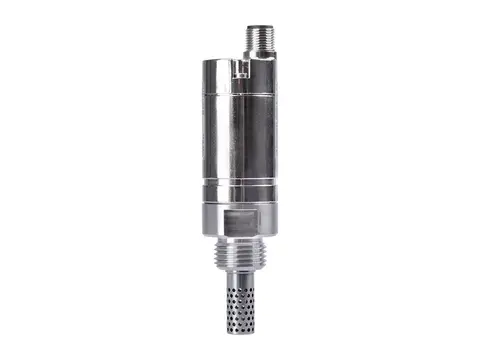
Humidity Meter
Humidity, temperature and dew point from one probe.
View product -
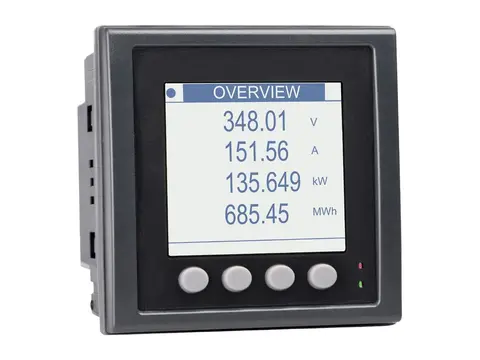
Power Meter
Measure the true power, energy and efficiency of your compressors.
View product
-
Health Testing of Compressed Air & Gas Dryers
Measured proof your dryer delivers its rated dew point.
View service -
Commissioning and Service of Compressed Air & Gas Dryers
Verified dew point from first start-up through your dryer's service life.
View service -
Compressed Air Quality Testing
Measured, documented proof of your compressed air purity class.
View service -
Dew Point Measurement Testing
Verified pressure dew point at the points that matter in your network.
View service -
Compressed Air Flow Testing
Measured air demand, leakage and cost for your plant, not estimates.
View service -
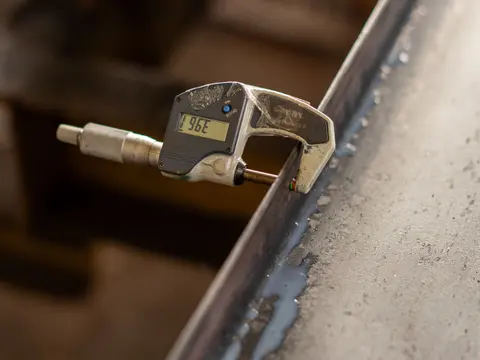
Wall Thickness Testing
Know the remaining wall, corrosion rate and safe life of your equipment.
View service -
Sourcing
Spares, consumables and whole systems for your plant, sourced globally.
View service
