
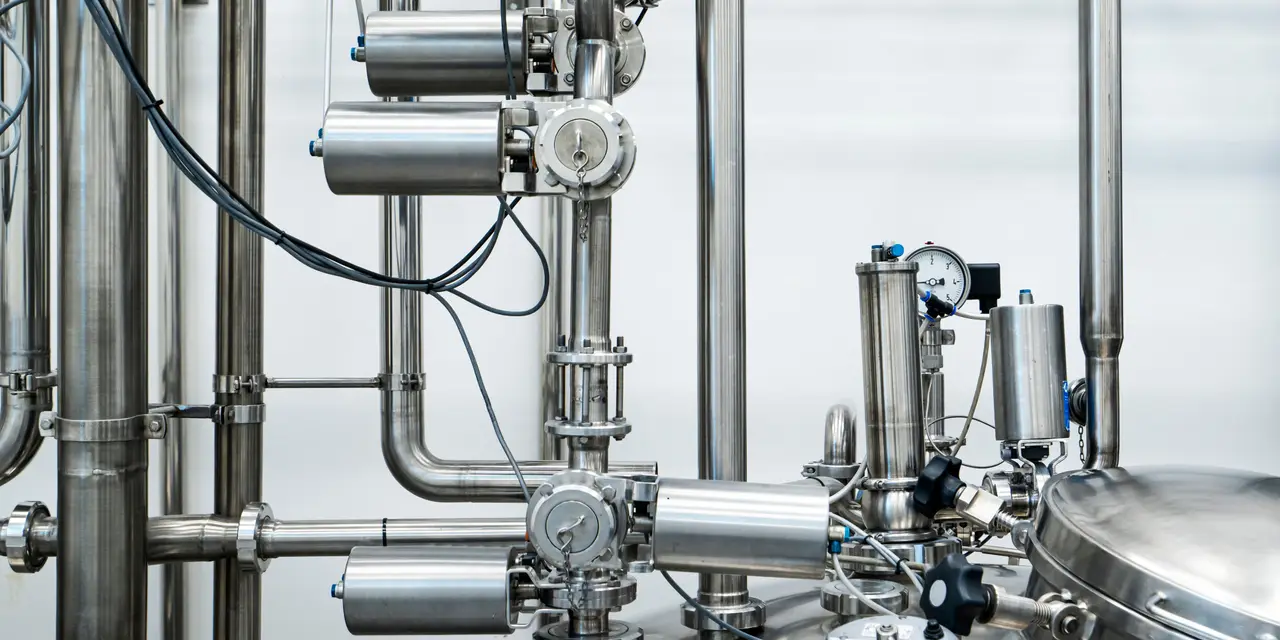
Compressed Air & Gas Filters
High Pressure Filter
Documented air purity at full pressure, from 40 bar g blow moulding to 300 bar g cylinder filling.
Product overview
Clean air and gas where the pressure is highest
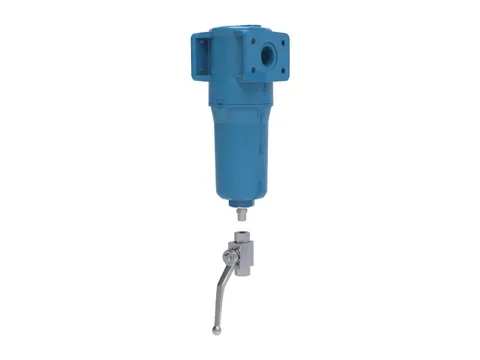
Our high pressure filter removes solid particles and water and oil aerosols, and in its carbon grade oil vapour and odours, from compressed air and technical gases held well above plant-air pressure. Duties start at about 20 bar g and run to 350 bar g and beyond: 40 bar g PET blow moulding air, 25–30 bar g marine starting air, and 200–300 bar g breathing air and gas cylinder filling.
At these pressures the gas behaves differently. At 40 bar g and 20 °C air weighs about 49 kg/m³, and at 350 bar g roughly 370 kg/m³, about 40 % of the density of water. The filter is engineered around this: slow gas through the media, and drops that drain against a dense gas that partly buoys them.
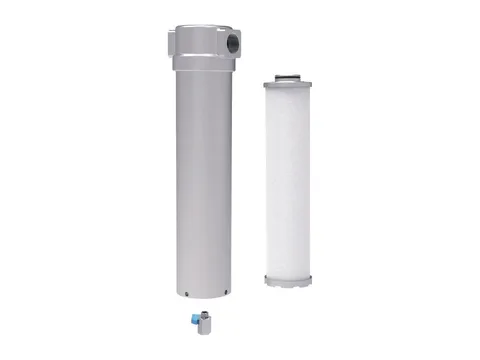
Grades cover general-purpose and high-efficiency coalescing, dry particulate and activated carbon, tested under the ISO 12500 series and expressed against the purity classes of ISO 8573-1:2010. The housings are designed and certified as pressure equipment and pressure tested before release.
- 350 bar gDuties up to, and beyond
- About 0.01 µmHigh-efficiency coalescing grade
- Under 1 %Of operating pressure lost at 40 bar g, clean element
- PED 2014/68/EUOr ASME Section VIII pressure equipment
Benefits
The problems it solves
Compressing air to 300 bar g packs about 300 volumes of it into one, together with everything it carries. Here is what that concentrated contamination does, and how the filter stops it.
-
Marked bottles and tainted drinks
The problem
Oil droplets in PET blow air mark bottles and transfer taste to beverages.
How it solves it
PET containers stay free of oil marks, with the filter train forming part of your documented route to BCAS Guideline 102.
-
Unsafe breathing air
The problem
Oil mist and hydrocarbon vapour in breathing air irritate the lungs of divers and firefighters working under exertion.
How it solves it
Coalescing and carbon grades form part of your documented route to EN 12021:2014, which limits oil to 0.5 mg/m³.
-
Leaking valves and frozen regulators
The problem
Particles score the soft seats of high pressure valves, and moisture expanding through a regulator freezes in its seat.
How it solves it
Particle-free, liquid-free gas keeps your soft seats sealing and prevents regulator freezing caused by liquid water.
-
Fouled dryers and carbon beds
The problem
Oil aerosol blocks the pores of desiccant and activated carbon permanently.
How it solves it
Oil-free, liquid-free feed preserves the capacity of the dryer and carbon stages that must meet your water and vapour limits.
-
Corroded cylinders and receivers
The problem
Water collecting in cylinders and receivers corrodes the walls and reduces their certified service life.
How it solves it
Removing water and oil at the fill point stops internal corrosion and contamination of your cylinders and receivers.
-
Stored energy in the housing
The problem
A 1-litre volume of air at 350 bar g releases about 71 kJ if it expands suddenly.
How it solves it
Housings designed, certified and pressure tested as pressure equipment protect your people from the stored energy of high pressure gas.
Where it’s used
Wherever air works at high pressure
From bottle blowing to engine starting, high pressure duties need filtration rated for the pressure and proven at the point of use.
-
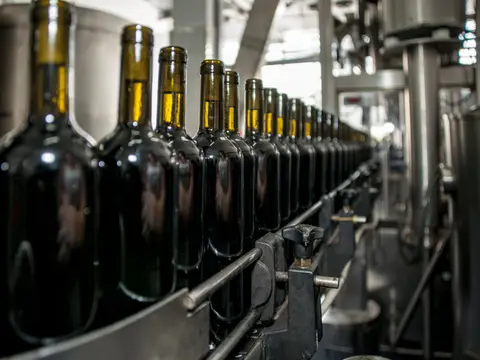
Beverage and food packaging
PET stretch blow moulding at up to 40 bar g, where the air touches the inside of every container.
-

Marine
Diesel engine starting air stored at 25–30 bar g, where water and oil corrode starting valves and oil-fouled pipes are an explosion hazard.
-
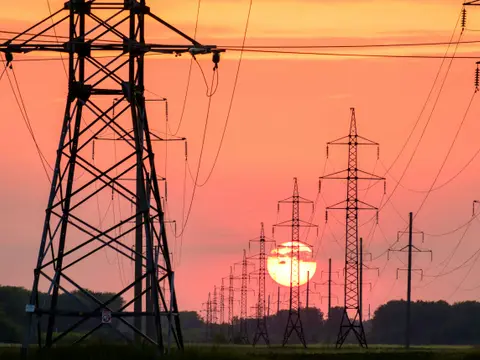
Power generation and utilities
High pressure air for circuit breaker mechanisms and black-start systems.
Also breathing air for diving, fire service and escape sets, cylinder filling of nitrogen, argon and helium, laser cutting, gas-assisted injection moulding, test and inspection rigs, offshore seismic survey, oil and gas, and research and defence.
How it works
Filtered at full pressure
The filter sits after the final aftercooler, where the air is at full pressure and its lowest temperature, so the aerosols have already formed and can be caught.
-
1. After the final coolerAir leaves the high pressure compressor’s final aftercooler and separator at full pressure, enters the head and turns down into the hollow core of the element.
-
2. Through the mediaThe gas passes radially outward through the microfibre media. The dense gas moves slowly, and droplets and particles are caught by impaction, interception and diffusion.
-
3. Drain against dense gasCaptured droplets merge and grow in the outer drainage layer until gravity pulls them down to the sump. At 350 bar g the dense air reduces the net weight of a water drop by about 37 %, so the layer grows drops large enough to fall reliably.
-
4. Drain at pressureThe sump drains at full system pressure. Water leaves a drain orifice at about 89 m/s at 40 bar g, so the drain valve is built for this duty and discharges into a pressure-rated collection vessel.
-
5. Pressure-rated housingThe bolted head and bowl hold the full system pressure, while the element carries only the differential pressure across it. The gauge shows that differential, and the filtered gas leaves through the outlet.
Gas densities are quoted at 20 °C.
Get the full details
Our brochure covers it in detail, and our questionnaire tells us what we need to recommend the right one for your plant.
Keep exploring
More from our range
Equipment for every stage of your compressed air, and our own engineers to test, commission and look after it.
-
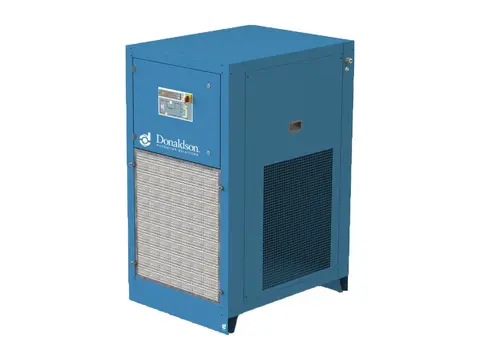
Refrigerated Air Dryers
Dry, condensate-free air for your plant, with no compressed air spent drying.
View product -
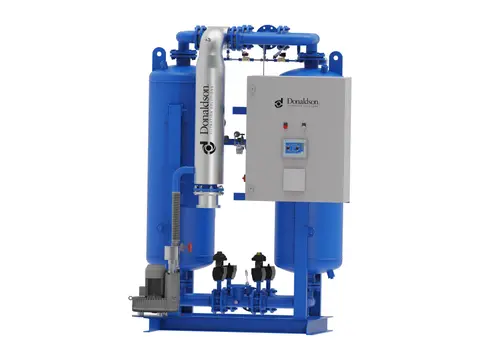
Heated Desiccant Dryers
Deep, stable dew points for your air, with heat doing the regeneration.
View product -
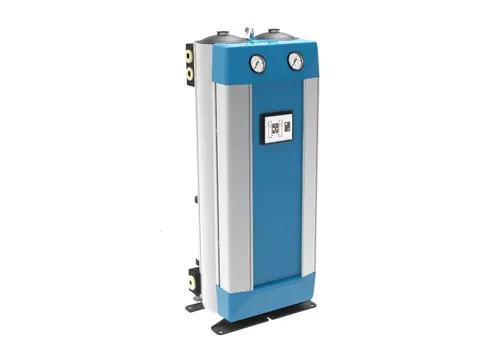
Heatless Desiccant Dryers
Deep dew points without heaters, for hazardous areas and remote sites.
View product -
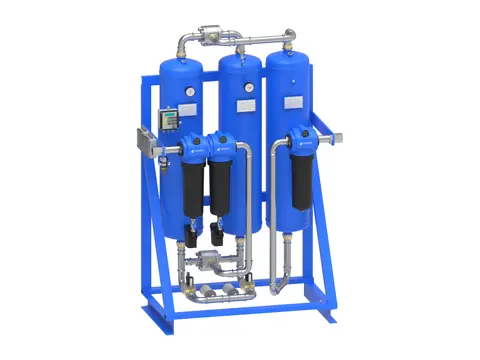
Breathing Air Systems
Your plant’s compressed air, made safe to breathe.
View product -
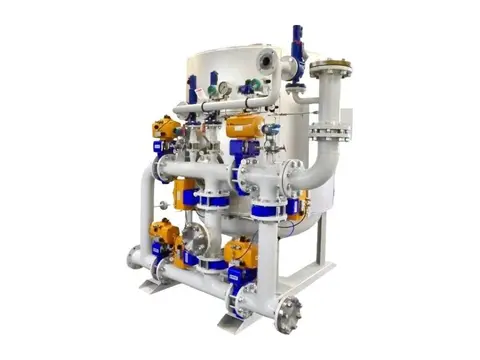
Hydrogen Dryers & De-Oxo Units
Electrolytic hydrogen purified of oxygen and water, ready for fuel cells.
View product -
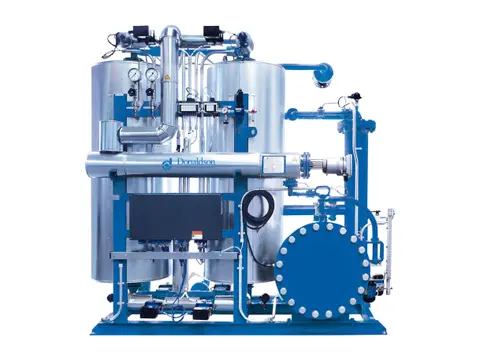
Biogas & Natural Gas Dryers
Dry, condensate-free fuel gas for your engines, boilers and upgrading plant.
View product -
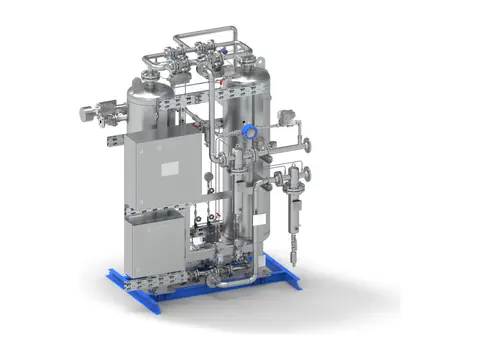
CO₂ Dryers
Beverage-grade dry CO₂ for your recovery plant, with no gas vented.
View product -
Membrane Dryers
Dry air at the point of use, with no power and no moving parts.
View product
-
Coalescing Filters
Takes oil and water aerosols out of your air, down to 0.01 mg/m³.
View product -
Particulate Filters
Dry, dust-free air for your plant, down to 0.01 µm particles.
View product -
Compressed Air Duplex Filters
Change filter elements without interrupting your air supply.
View product -
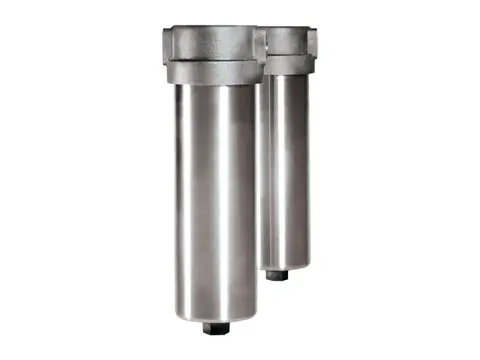
High Temperature Filters
Particle-free compressed air and gas where your process runs hot.
View product -
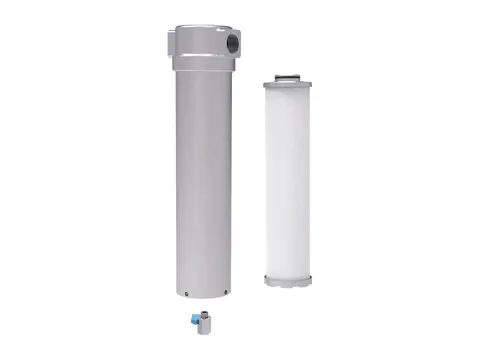
Ammonia and Refrigerant Filters
Keeps compressor oil out of your condensers and evaporators.
View product -
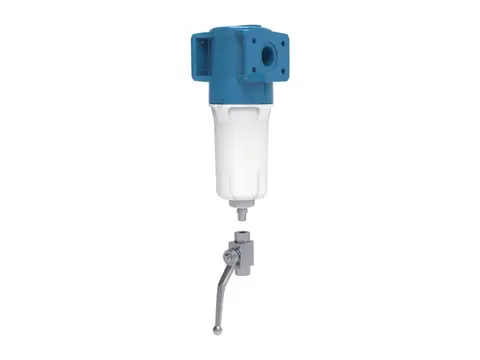
Oxygen Filters
Particle-free oxygen for your system, without adding an ignition source.
View product -
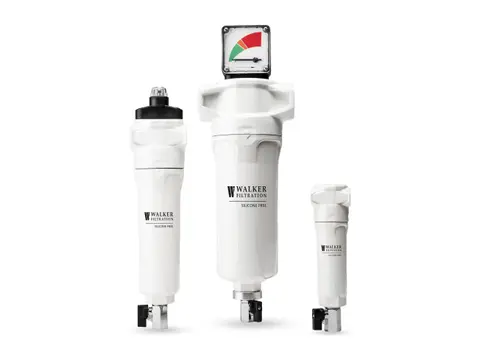
Silicone-Free Filters
Crater-free paint finishes, from air free of paint-wetting contaminants.
View product -
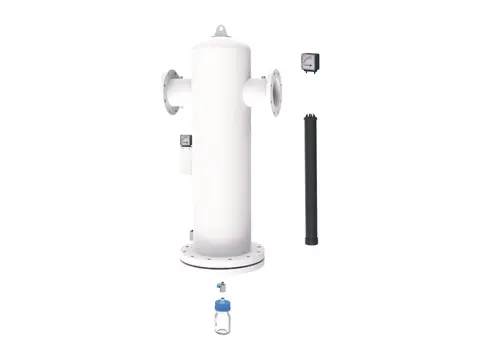
Medical Vacuum Filters
Keeps pathogens from hospital suction away from your pumps and exhaust.
View product -
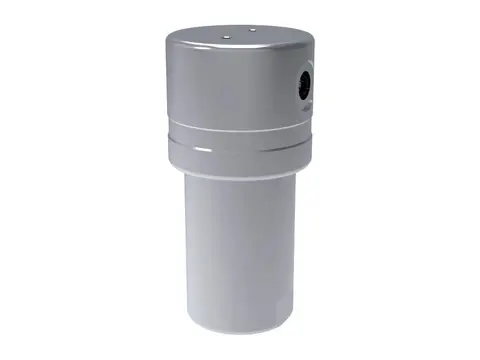
Hydrogen Filters
Particle, aerosol and oil-free hydrogen, from electrolyser to dispenser.
View product -
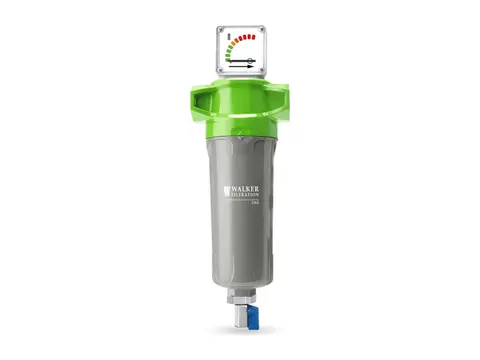
CNG Filters
Oil-free, particle-free natural gas from your compressor to the vehicle.
View product
-
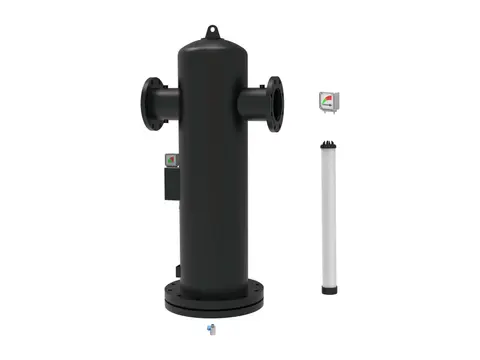
Centrifugal Moisture Separators
Bulk liquid out of your air by centrifugal force, with no element to replace.
View product -
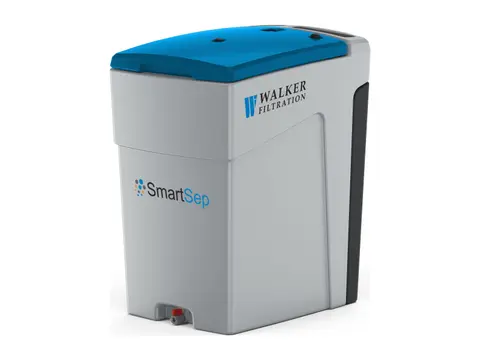
Oil Water Separator
Turns oily compressor condensate into water fit for sewer discharge.
View product -
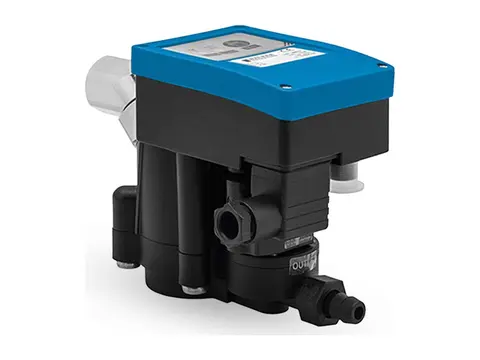
Zero-Loss Electronic Drain
Discharges every drop of condensate from your system, never your compressed air.
View product -
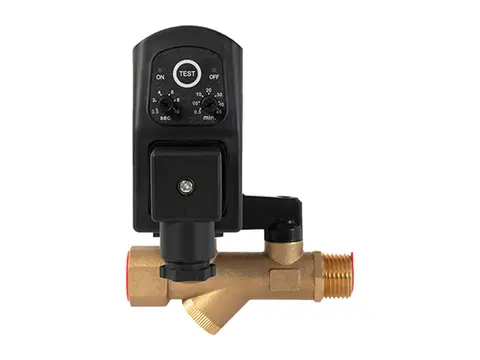
Timer Drain
Scheduled, positive condensate discharge from any collection point in your system.
View product -
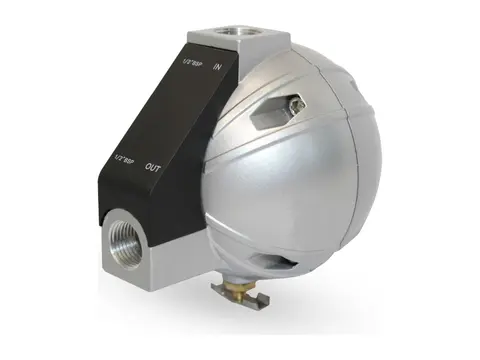
Mechanical Float Drain
Buoyancy-driven condensate removal with no power and no air loss.
View product -
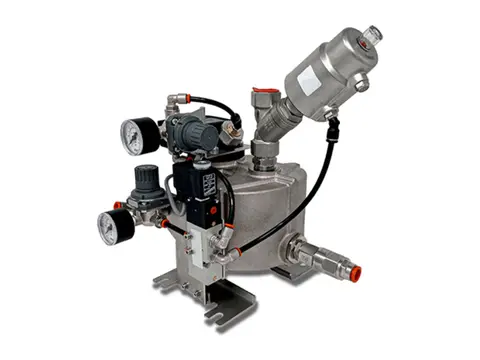
Vacuum Drain
Empties liquid from your vacuum system without breaking the vacuum.
View product
-
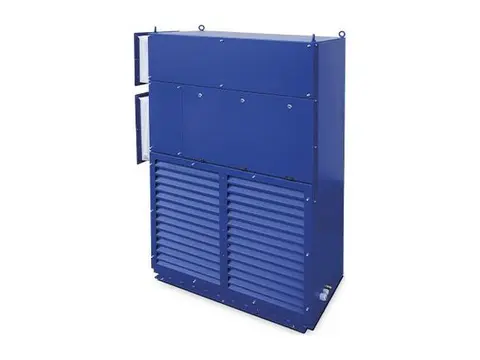
Crane Air Conditioner
Cool, clean cabins and electrical rooms for cranes working in extreme heat.
View product -
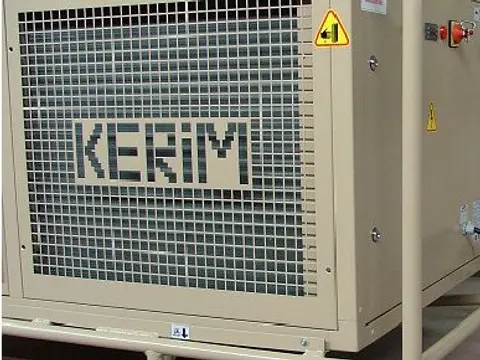
Tent Air Conditioner
Controlled climate for your tents, shelters and temporary structures.
View product -
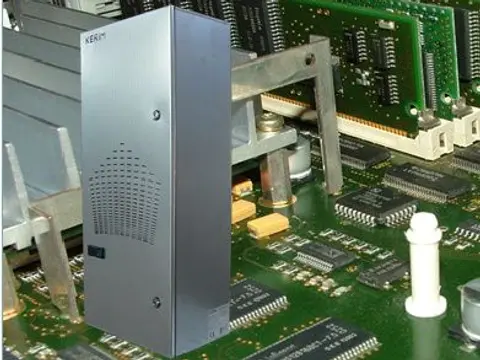
Panel Air Conditioner
Cool, clean, dry control panels, even in your hottest, dirtiest plant areas.
View product -
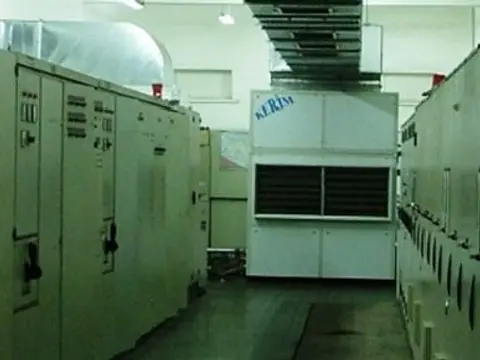
Air / Water Cooled Air Conditioner
Stable room temperatures for your electrical rooms in extreme plant heat.
View product
-
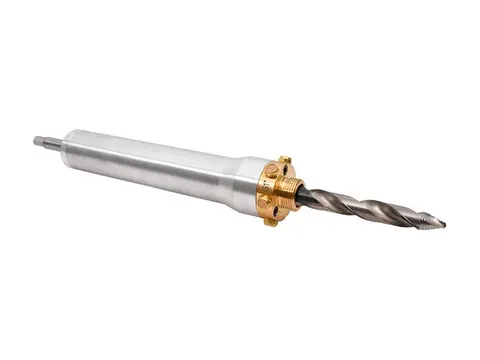
Hot Tapping
Add measurement ports to your live air lines without stopping production.
View product -
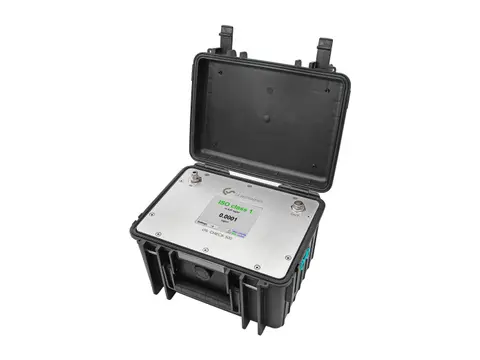
Compressed Air Quality Measurement
Prove your air's ISO 8573-1 purity: particles, oil and dew point.
View product -
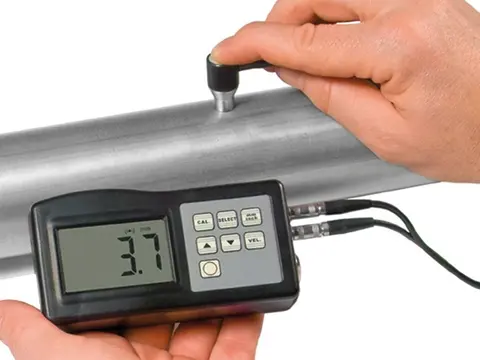
Digital Thickness Meter
Measure the metal left in your receivers and pipework, from the outside.
View product -
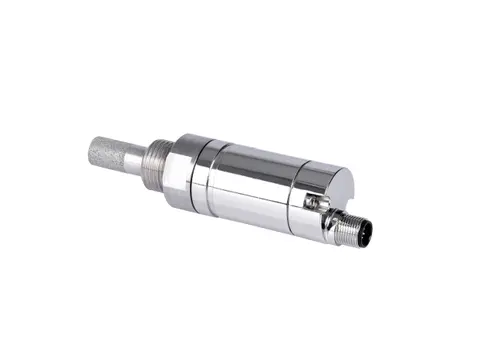
Dew Point Meter
Proof your air is dry, measured at line pressure.
View product -
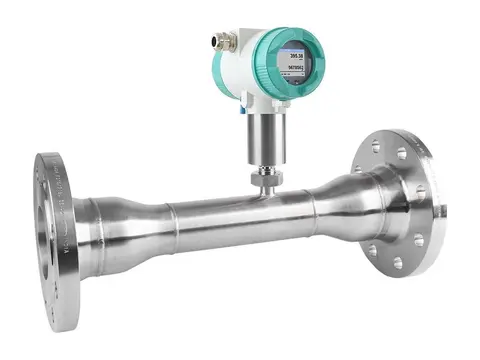
Flow Meter
True standard flow of your compressed air, whatever the line pressure.
View product -
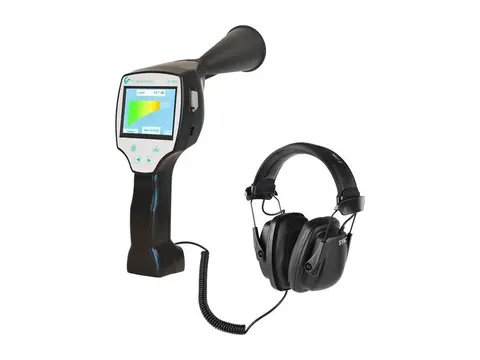
Leak Detector
Hear, locate and cost every compressed air leak in your plant.
View product -
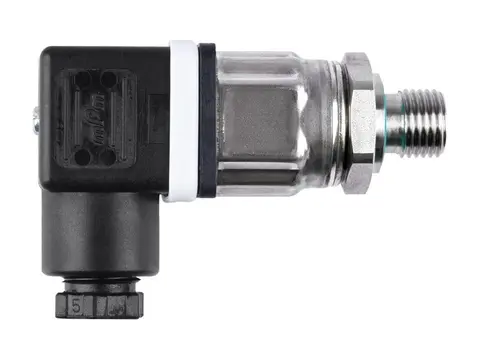
Pressure Sensor
Live pressure data from your compressor room to every point of use.
View product -
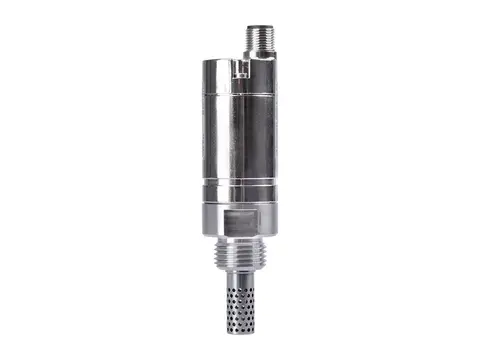
Humidity Meter
Humidity, temperature and dew point from one probe.
View product -
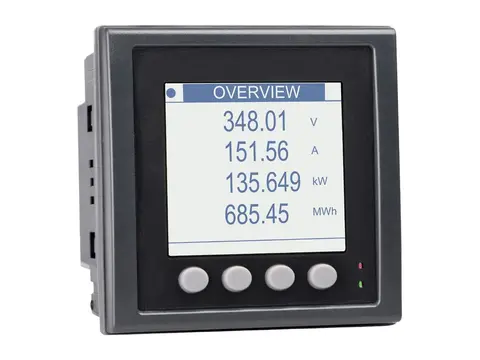
Power Meter
Measure the true power, energy and efficiency of your compressors.
View product
-
Health Testing of Compressed Air & Gas Dryers
Measured proof your dryer delivers its rated dew point.
View service -
Commissioning and Service of Compressed Air & Gas Dryers
Verified dew point from first start-up through your dryer's service life.
View service -
Compressed Air Quality Testing
Measured, documented proof of your compressed air purity class.
View service -
Dew Point Measurement Testing
Verified pressure dew point at the points that matter in your network.
View service -
Compressed Air Flow Testing
Measured air demand, leakage and cost for your plant, not estimates.
View service -
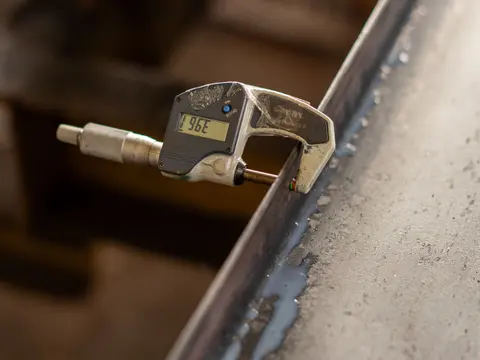
Wall Thickness Testing
Know the remaining wall, corrosion rate and safe life of your equipment.
View service -
Sourcing
Spares, consumables and whole systems for your plant, sourced globally.
View service
