

Our services
Compressed Air Flow Testing
Your plant's real air demand, leakage and cost, logged on a running system, not estimated.
Service overview
What your air costs, and where it goes
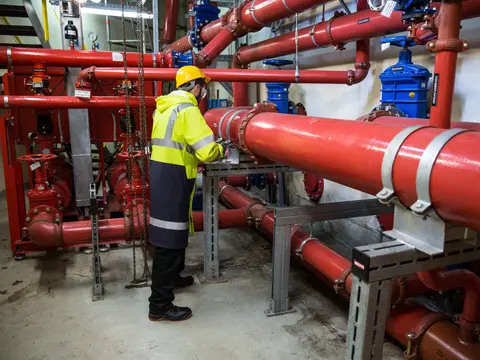
Our engineers install calibrated flow meters, pressure sensors and power loggers on your running compressed air system, and record how much air your plant generates, where it goes and what each cubic metre costs. Flow is measured as standard volume flow, with the reference stated on every result, so figures compare across sites, shifts and years. Probes go in through ball valves, or through a hot-tapped connection while the line stays under pressure, and production carries on throughout.
A spot flow test logs one point, such as a compressor, a dryer or a production line, for hours to a few days to answer a specific question. A full flow audit logs the compressor room, the main branches and selected machines together over a production week, following ISO 11011:2013. Your report holds the logged graphs, each loss with its annual cost, prioritised recommendations and the baseline future savings are measured against.
- Flow, pressure, powerLogged together on your running system
- ISO 11011:2013Assessment framework for the audit
- Annual costPut on every leak and loss
- No shutdownProduction continues throughout
Benefits
The problems it solves
Compressed air is one of the most expensive utilities in a factory, and an electricity bill doesn't show where it goes. Here is what measurement uncovers.
-
An invisible cost
The problem
Your electricity bill shows total site use, not what the air system uses or wastes. Compressors run whether air feeds production or a leak.
How it solves it
Measured flow and power separate productive use from loss, and put a cost on every cubic metre.
-
Leaks that never stop
The problem
A single 3 mm hole at 7 bar g passes roughly 26 m³/h of free air, more than 13,000 kWh a year, and large plants have hundreds.
How it solves it
Leakage is reported in m³/min, kW and annual cost, and branch meters show which area leaks most.
-
Buying compressors you don't need
The problem
Low pressure at the far end is often leakage, a clogged filter or an undersized branch, not a lack of capacity.
How it solves it
A measured demand profile shows the real cause, and often that existing compressors can meet demand once losses are removed.
-
Setpoints creeping upward
The problem
Raising the setpoint to reach one starved machine makes every leak and open nozzle pass more air. Each extra bar adds about 7 % to compressor energy.
How it solves it
Pressure logged along the network finds the restriction, so it can be fixed and the setpoint lowered.
-
Energy management without data
The problem
ISO 50001 needs baselines and energy performance indicators, and savings claims need measured verification.
How it solves it
Logged baselines and post-project measurements support ISO 50001, ISO 50002 audits and ISO 50015 verification.
-
Guesswork sizing
The problem
Equipment chosen on guesses is either oversized, wasting energy at part load, or undersized, with pressure collapsing at peaks.
How it solves it
Compressors, dryers and receivers are specified against your actual peak, average and minimum flows.
Where it’s used
Wherever air is a big line on the power bill
Any plant running compressors can measure what they deliver. These are some of the heaviest users.
-

Automotive and components
Assembly tools, paint shops and robot grippers drawing air in pulses, separated from leakage in large networks.
-
Textiles
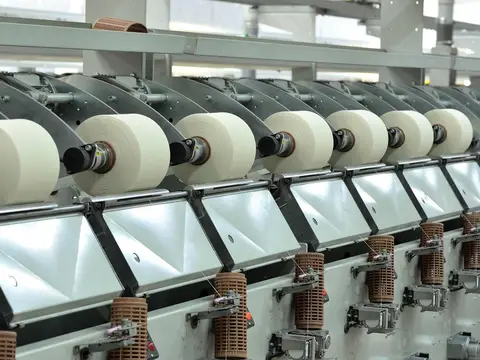
Air-jet looms using large continuous volumes, measured per loom to link air cost to fabric output.
-

Food and beverage
PET bottle blowing, filling, packaging and conveying, metered per line to allocate cost and size systems.
-

Pharmaceuticals
Tablet coating, capsule filling and packaging lines, with branch metering that supports GMP utility documentation.
-
Glass, cement and steel
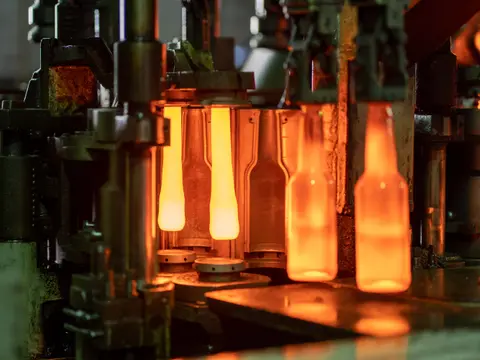
Blow-off nozzles, bag filter cleaning, pneumatic conveying and burner controls, where excess pressure costs the most.
-
Power plants
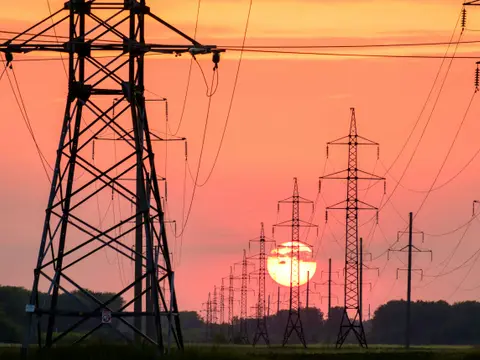
Ash handling and instrument air systems, logged to verify compressor delivery and detect losses.
Also plastics and packaging, chemicals, refineries and fertiliser plants, electronics, paper and printing, energy managers and ESCOs, and compressor room planning for any industry.
Keep exploring
More from our range
Our other services, and equipment for every stage of your compressed air.
-
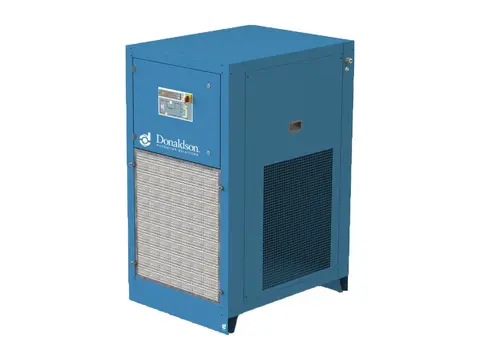
Refrigerated Air Dryers
Dry, condensate-free air for your plant, with no compressed air spent drying.
View product -
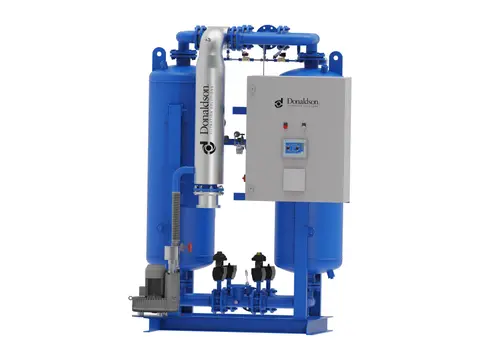
Heated Desiccant Dryers
Deep, stable dew points for your air, with heat doing the regeneration.
View product -
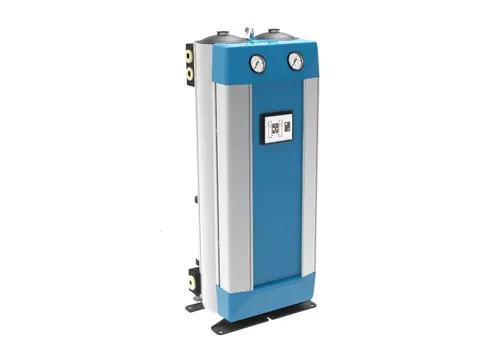
Heatless Desiccant Dryers
Deep dew points without heaters, for hazardous areas and remote sites.
View product -
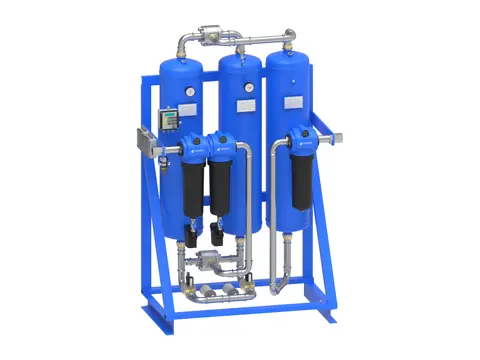
Breathing Air Systems
Your plant’s compressed air, made safe to breathe.
View product -
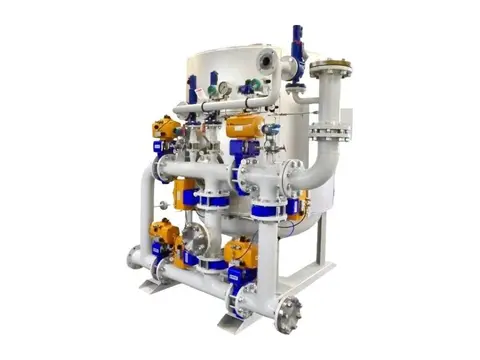
Hydrogen Dryers & De-Oxo Units
Electrolytic hydrogen purified of oxygen and water, ready for fuel cells.
View product -
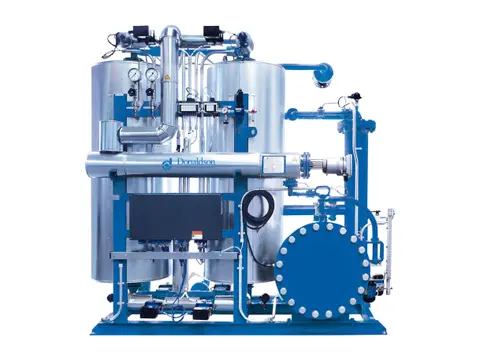
Biogas & Natural Gas Dryers
Dry, condensate-free fuel gas for your engines, boilers and upgrading plant.
View product -
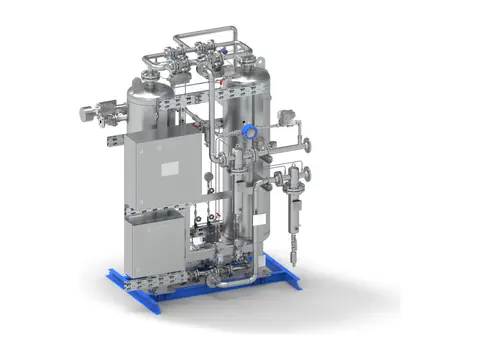
CO₂ Dryers
Beverage-grade dry CO₂ for your recovery plant, with no gas vented.
View product -
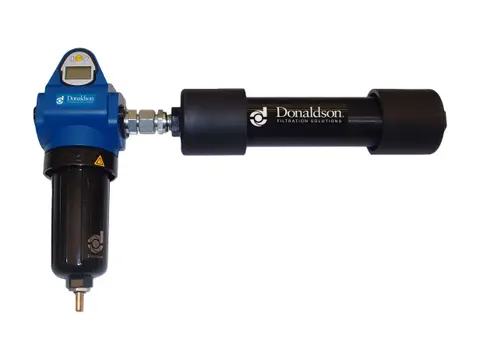
Membrane Dryers
Dry air at the point of use, with no power and no moving parts.
View product
-
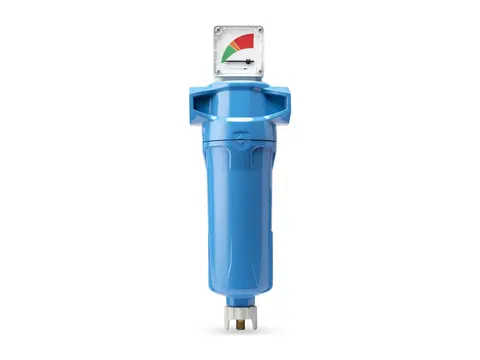
Coalescing Filters
Takes oil and water aerosols out of your air, down to 0.01 mg/m³.
View product -
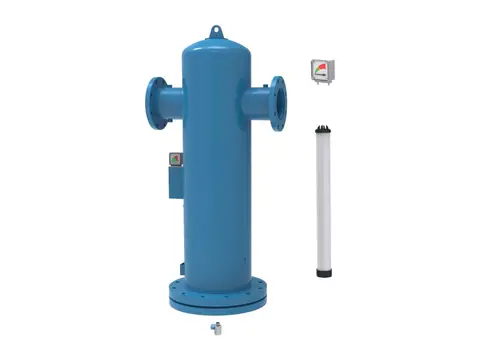
Particulate Filters
Dry, dust-free air for your plant, down to 0.01 µm particles.
View product -
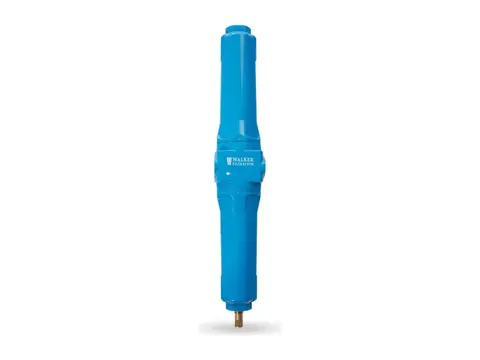
Compressed Air Duplex Filters
Change filter elements without interrupting your air supply.
View product -
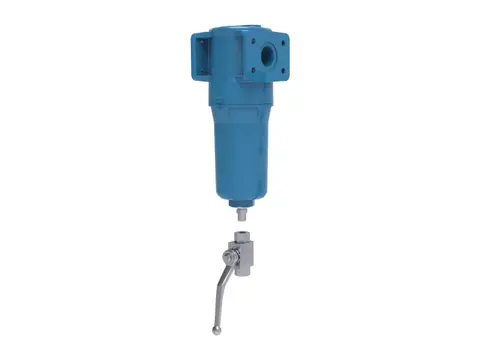
High Pressure Filters
Certified air purity for your high-pressure lines, up to 350 bar g.
View product -
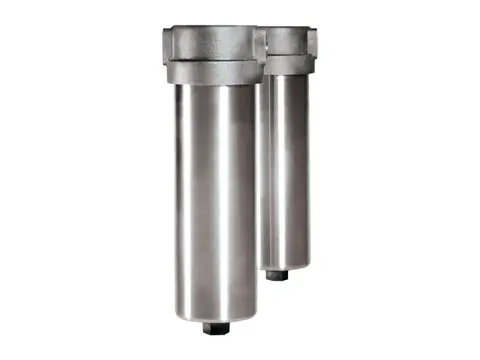
High Temperature Filters
Particle-free compressed air and gas where your process runs hot.
View product -
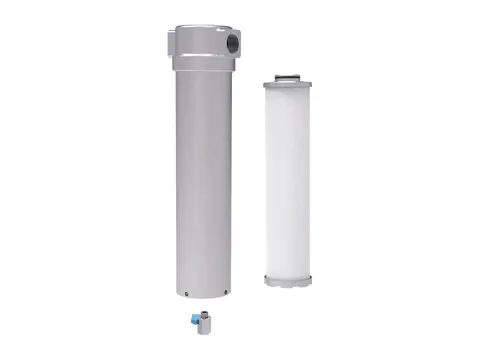
Ammonia and Refrigerant Filters
Keeps compressor oil out of your condensers and evaporators.
View product -
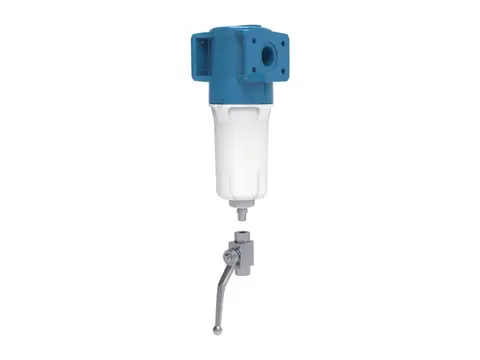
Oxygen Filters
Particle-free oxygen for your system, without adding an ignition source.
View product -
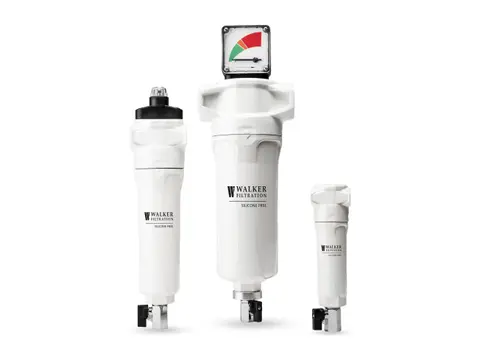
Silicone-Free Filters
Crater-free paint finishes, from air free of paint-wetting contaminants.
View product -
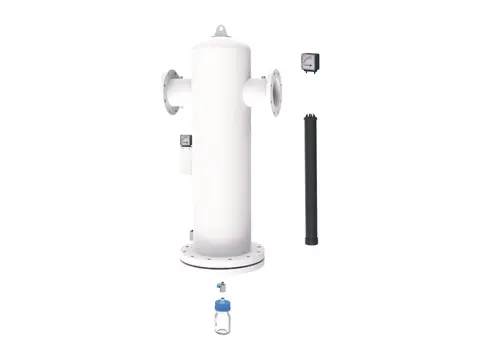
Medical Vacuum Filters
Keeps pathogens from hospital suction away from your pumps and exhaust.
View product -
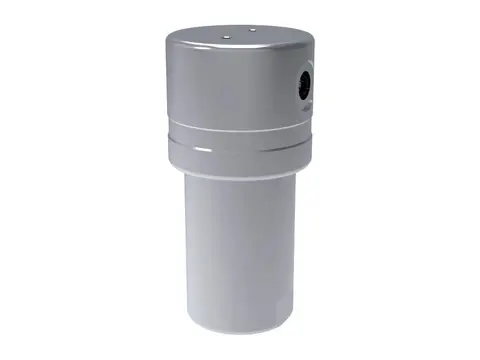
Hydrogen Filters
Particle, aerosol and oil-free hydrogen, from electrolyser to dispenser.
View product -
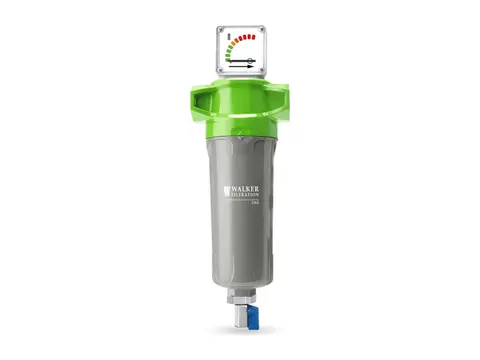
CNG Filters
Oil-free, particle-free natural gas from your compressor to the vehicle.
View product
-
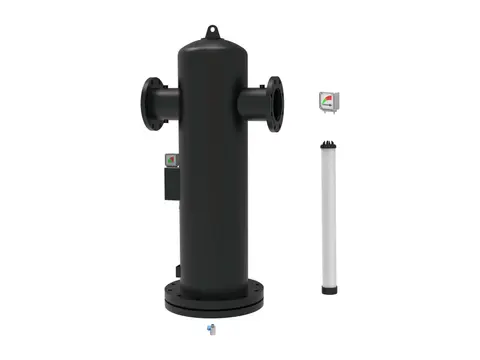
Centrifugal Moisture Separators
Bulk liquid out of your air by centrifugal force, with no element to replace.
View product -
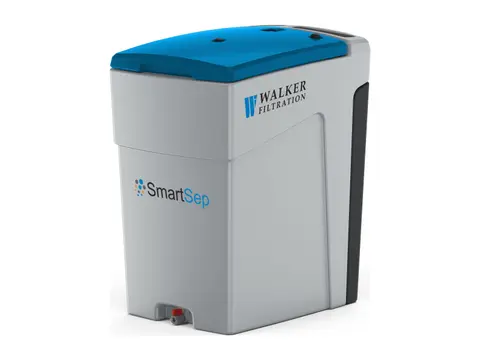
Oil Water Separator
Turns oily compressor condensate into water fit for sewer discharge.
View product -
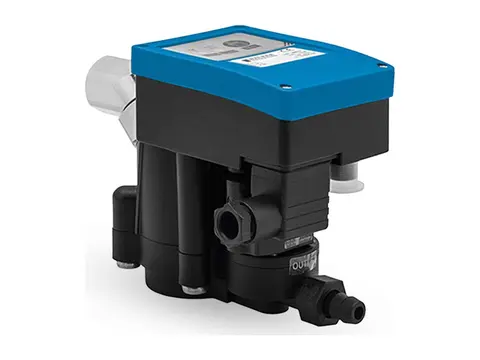
Zero-Loss Electronic Drain
Discharges every drop of condensate from your system, never your compressed air.
View product -
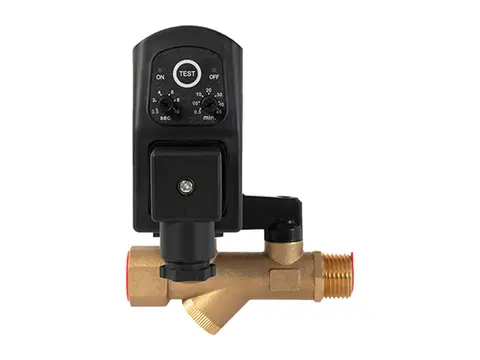
Timer Drain
Scheduled, positive condensate discharge from any collection point in your system.
View product -
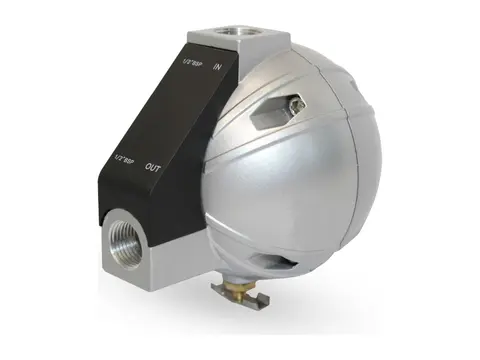
Mechanical Float Drain
Buoyancy-driven condensate removal with no power and no air loss.
View product -
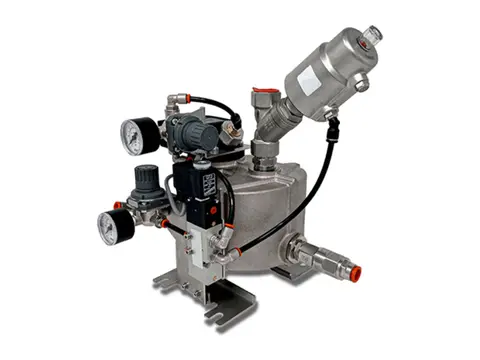
Vacuum Drain
Empties liquid from your vacuum system without breaking the vacuum.
View product
-
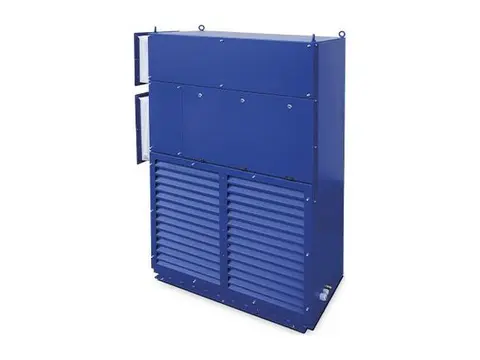
Crane Air Conditioner
Cool, clean cabins and electrical rooms for cranes working in extreme heat.
View product -
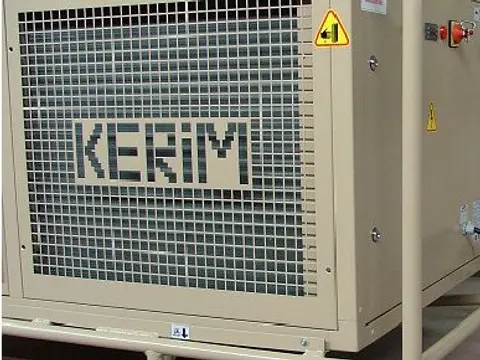
Tent Air Conditioner
Controlled climate for your tents, shelters and temporary structures.
View product -
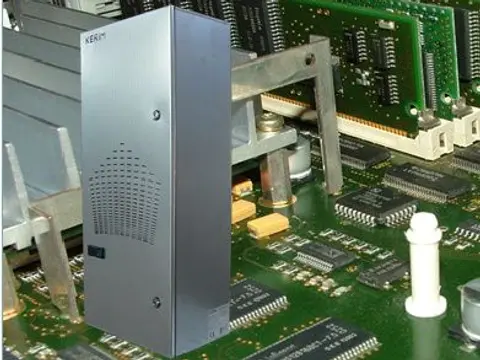
Panel Air Conditioner
Cool, clean, dry control panels, even in your hottest, dirtiest plant areas.
View product -
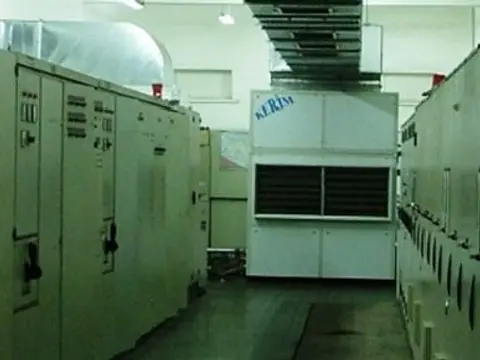
Air / Water Cooled Air Conditioner
Stable room temperatures for your electrical rooms in extreme plant heat.
View product
-
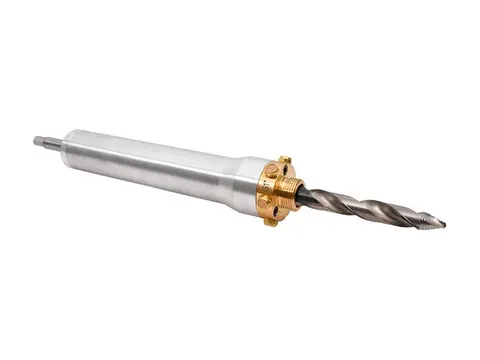
Hot Tapping
Add measurement ports to your live air lines without stopping production.
View product -
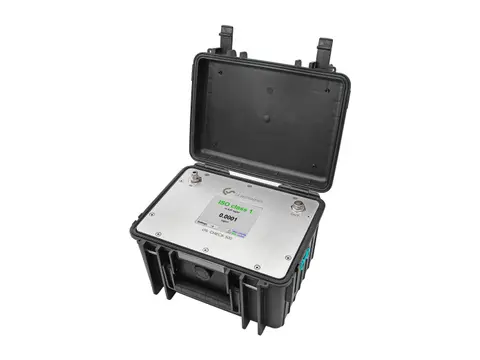
Compressed Air Quality Measurement
Prove your air's ISO 8573-1 purity: particles, oil and dew point.
View product -
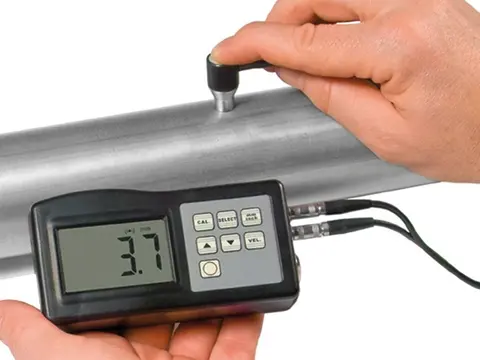
Digital Thickness Meter
Measure the metal left in your receivers and pipework, from the outside.
View product -
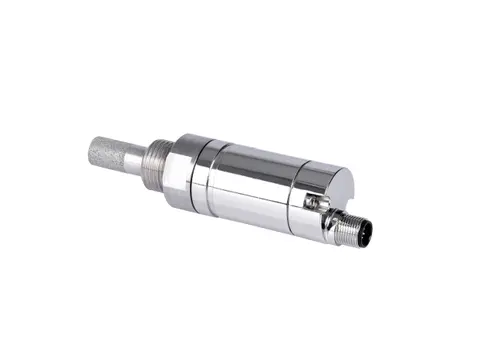
Dew Point Meter
Proof your air is dry, measured at line pressure.
View product -
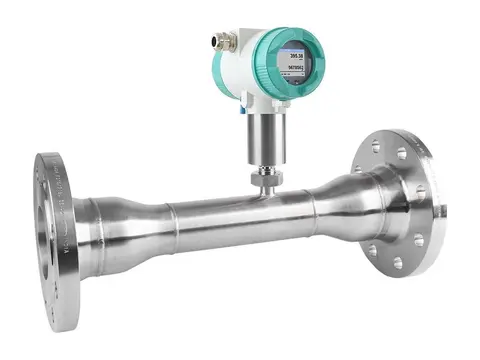
Flow Meter
True standard flow of your compressed air, whatever the line pressure.
View product -
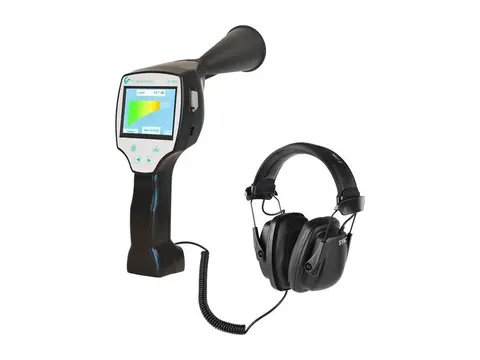
Leak Detector
Hear, locate and cost every compressed air leak in your plant.
View product -
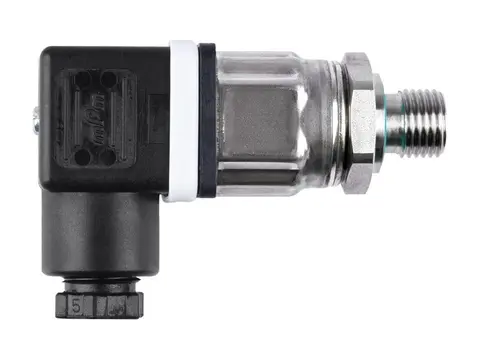
Pressure Sensor
Live pressure data from your compressor room to every point of use.
View product -
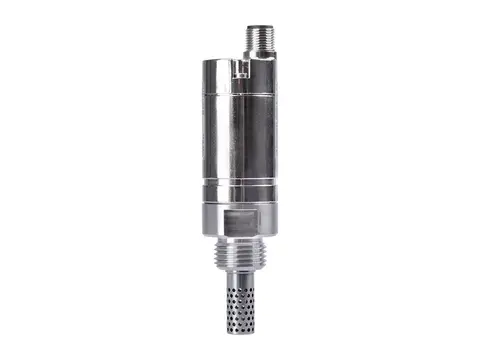
Humidity Meter
Humidity, temperature and dew point from one probe.
View product -
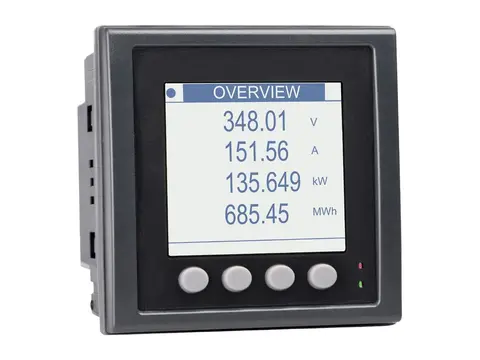
Power Meter
Measure the true power, energy and efficiency of your compressors.
View product
-
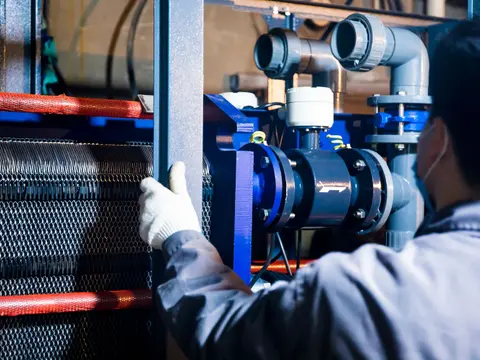
Health Testing of Compressed Air & Gas Dryers
Measured proof your dryer delivers its rated dew point.
View service -
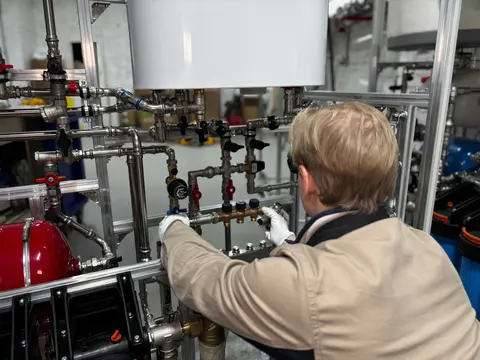
Commissioning and Service of Compressed Air & Gas Dryers
Verified dew point from first start-up through your dryer's service life.
View service -

Compressed Air Quality Testing
Measured, documented proof of your compressed air purity class.
View service -
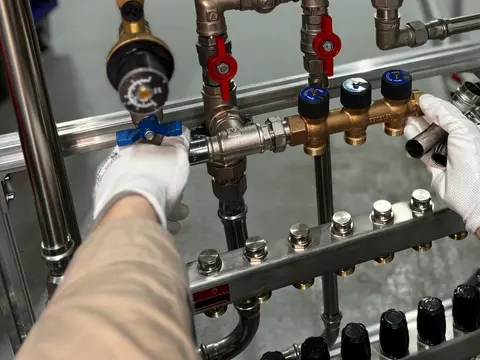
Dew Point Measurement Testing
Verified pressure dew point at the points that matter in your network.
View service -
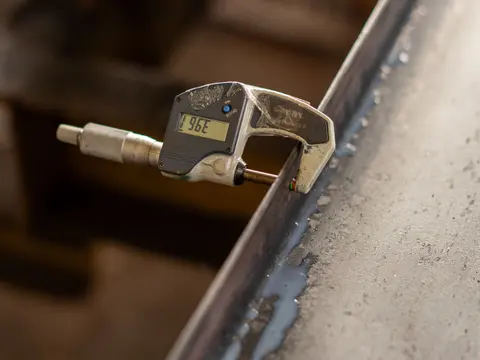
Wall Thickness Testing
Know the remaining wall, corrosion rate and safe life of your equipment.
View service -
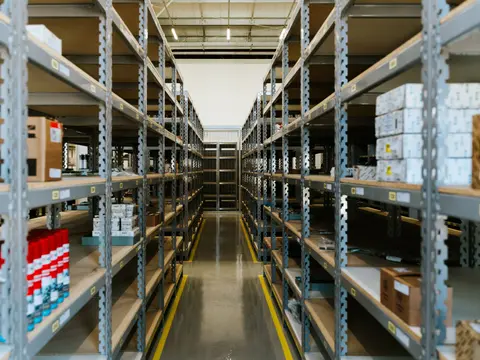
Sourcing
Spares, consumables and whole systems for your plant, sourced globally.
View service
