
Measurement Equipments
Dew Point Meter
Know your air is dry, rather than hope it is, with a pressure dew point you can watch, record and show an auditor.
Product overview
Dryness you can prove, not assume
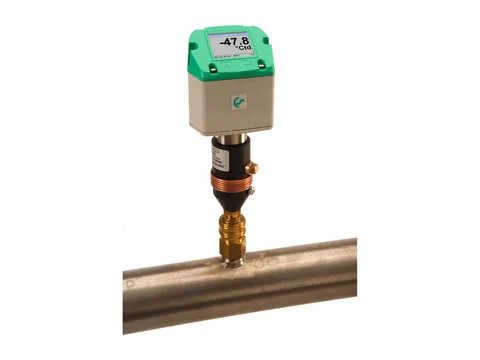
Our dew point meter measures how much water vapour your compressed air or technical gas contains and reports it as a dew point: the temperature at which that vapour would start to condense. Measured at line pressure, it is your pressure dew point, the figure that decides whether condensation can form anywhere in your network.
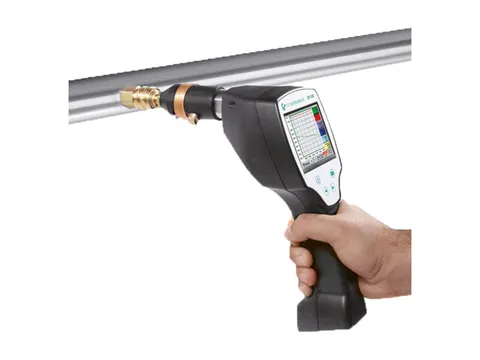
Fixed meters sit permanently at a dryer outlet or a critical branch and report continuously. Portable meters travel between sampling points for audits, dryer commissioning and fault finding. Both measure a small, continuous sample flowing over the sensor, so the reading follows the air actually in your pipe.
One reading is shown as pressure dew point, atmospheric dew point, ppm v/v or g/m³, and maps straight onto the water classes of ISO 8573-1:2010, from Class 1 at −70 °C to Class 6 at +10 °C.
- −40 °C PDP16 ppm v/v of water at 7 bar g
- About 12 g/hWater in 1,000 m³/h of air at −40 °C PDP
- Class 1 to 6ISO 8573-1:2010 water classes
- Fixed or portableContinuous monitoring or spot checks
Benefits
Water you can’t see, measured
Air at +20 °C PDP and air at −40 °C PDP look identical in a pipe, yet the first carries about 180 times more water vapour. Here is what that hides, and how the meter shows it.
-
Dryer faults caught early
The problem
A failed dryer gives no visible sign: the air looks, sounds and flows the same, and water appears in pipes, instruments and product hours or days later.
How it solves it
A rising dew point is the first measurable sign, flagging dryer, drain and filter problems before liquid reaches your network.
-
Small drifts, large water loads
The problem
A desiccant dryer drifting from −40 °C to −20 °C PDP sends eight times more water downstream.
How it solves it
A trend over days reveals gradual decline, and a step change reveals a sudden failure or an opened bypass.
-
Audit-ready records
The problem
ISO 8573-1, BCAS Guideline 102, GMP, HACCP and medical air audits all ask for measured values, not assumptions.
How it solves it
Time-stamped readings, traceable to a calibrated reference, document your water class for audits and product release.
-
Moisture sources located
The problem
Water can enter downstream of the dryer through an open bypass, a cross-connection or a temporary compressor.
How it solves it
Comparing your dryer outlet with remote points shows where moisture is entering the network.
-
Lower drying energy
The problem
Purge air, regeneration heat and refrigeration all consume energy in proportion to the dryness produced.
How it solves it
Measured dew point lets a desiccant dryer extend its drying phase at part load, cutting purge air and heater consumption.
-
Confident commissioning
The problem
After a new dryer, fresh desiccant or pipe changes, wet air can reach production before anyone checks.
How it solves it
A reading confirms the specified dew point has been reached before your air is released to production.
Where it’s used
Wherever dry air is a requirement
From the dryer outlet to the point of use, the dew point meter proves the water class your process specifies.
-

Food and beverage
BCAS Guideline 102 specifies −40 °C PDP for air in direct contact with food, and dew point records support HACCP plans.
-
Pharmaceuticals
Tablet coating, granulation, capsule filling and product blanketing, where GMP requires documented, calibrated measurement.
-

Oil, gas and petrochemicals
Instrument air to ISA-7.0.01: a line-pressure dew point at least 10 °C below the lowest ambient, and never above +4 °C.
-

Power and electrical
Instrument air in power plants, and moisture checks on the dry air and nitrogen used in switchgear and transformers.
-

Plastics
Dry air for hygroscopic resin drying and PET preform blowing.
-

Automotive and surface finishing
Spray painting and powder coating lines, where moisture causes blistering and poor adhesion.
Also compressor rooms in every industry, hospital medical air, breathing air to EN 12021, clean dry air at −70 °C PDP in electronics, feed air for nitrogen and ozone generators, and laboratory purge and analyser air.
How it works
Sample, sense, convert
A small, steady sample of your air flows over a humidity sensor held at line pressure. What the sensor reads becomes a dew point you can check against any specification.
-
1. Take the sampleThe sample is taken from the top of the pipe, so any liquid runs past, through a briefly purged ball valve and a short stainless steel or PTFE line.
-
2. Hold line pressureThe sensor sits in a measuring chamber at line pressure, so it reads the pressure dew point directly. A flow restrictor after it bleeds a few litres per minute to atmosphere, keeping the sample fresh.
-
3. Sense the waterWater molecules pass through a porous top electrode into a thin polymer film. Water has a permittivity of about 80 against 3–4 for the dry film, so the capacitance rises with the relative humidity at the sensor, while a platinum element measures its temperature.
-
4. Calculate the dew pointFrom relative humidity and temperature, the meter finds the water vapour partial pressure, then the temperature at which it would condense. With the sensor at 20 °C, 0.55 % RH means 12.8 Pa and a pressure dew point of −40 °C.
-
5. Convert and recordEnter the line pressure and the meter converts: −40 °C PDP at 7 bar g is about −57 °C atmospheric dew point and 16 ppm v/v, ISO 8573-1 water Class 2. Record it once the reading has stopped falling.
Example figures for a dryer outlet at 7 bar g, with the sensor at line pressure and 20 °C.
Get the full details
Our brochure covers it in detail, and our questionnaire tells us what we need to recommend the right one for your plant.
Keep exploring
More from our range
Equipment for every stage of your compressed air, and our own engineers to test, commission and look after it.
-
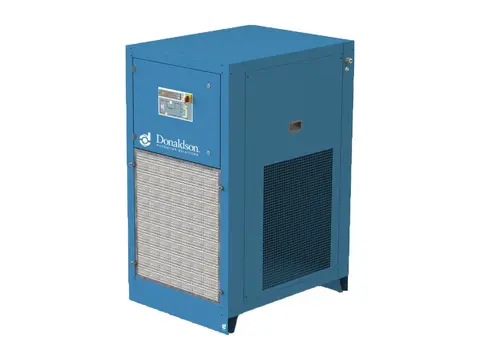
Refrigerated Air Dryers
Dry, condensate-free air for your plant, with no compressed air spent drying.
View product -
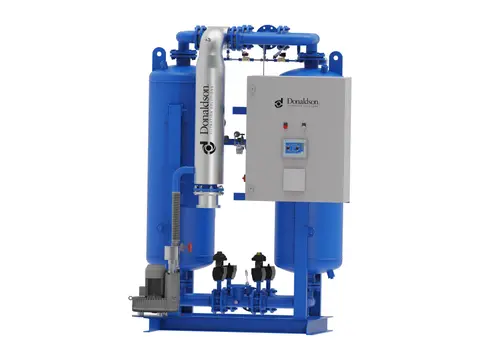
Heated Desiccant Dryers
Deep, stable dew points for your air, with heat doing the regeneration.
View product -
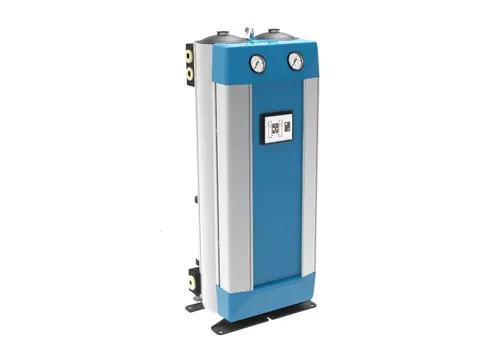
Heatless Desiccant Dryers
Deep dew points without heaters, for hazardous areas and remote sites.
View product -
Breathing Air Systems
Your plant’s compressed air, made safe to breathe.
View product -
Hydrogen Dryers & De-Oxo Units
Electrolytic hydrogen purified of oxygen and water, ready for fuel cells.
View product -
Biogas & Natural Gas Dryers
Dry, condensate-free fuel gas for your engines, boilers and upgrading plant.
View product -
CO₂ Dryers
Beverage-grade dry CO₂ for your recovery plant, with no gas vented.
View product -
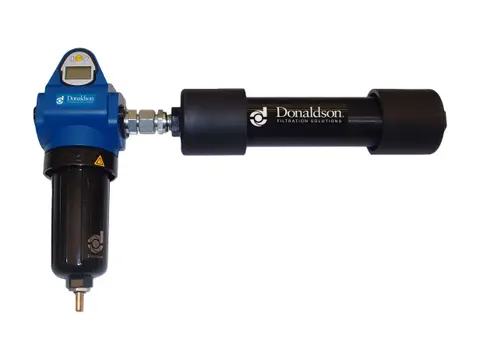
Membrane Dryers
Dry air at the point of use, with no power and no moving parts.
View product
-
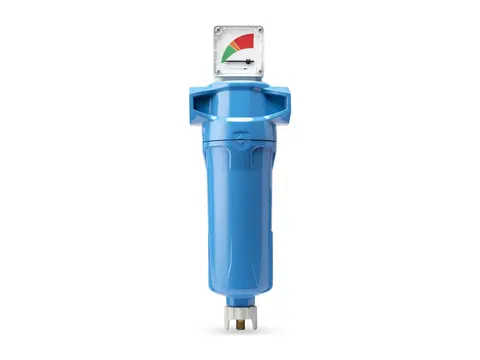
Coalescing Filters
Takes oil and water aerosols out of your air, down to 0.01 mg/m³.
View product -
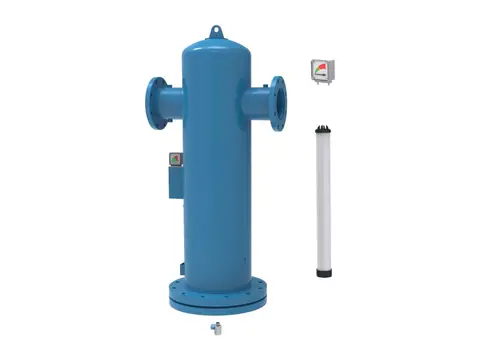
Particulate Filters
Dry, dust-free air for your plant, down to 0.01 µm particles.
View product -
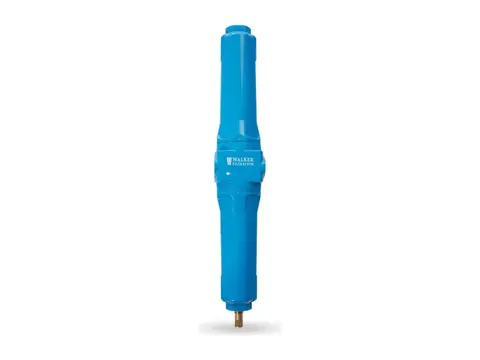
Compressed Air Duplex Filters
Change filter elements without interrupting your air supply.
View product -
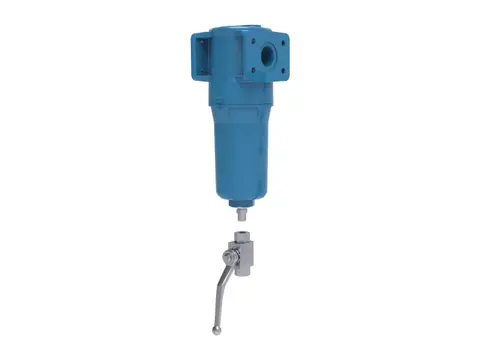
High Pressure Filters
Certified air purity for your high-pressure lines, up to 350 bar g.
View product -
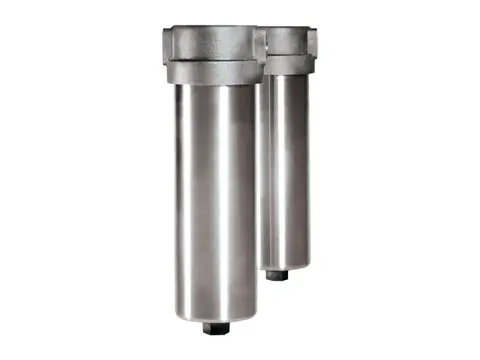
High Temperature Filters
Particle-free compressed air and gas where your process runs hot.
View product -
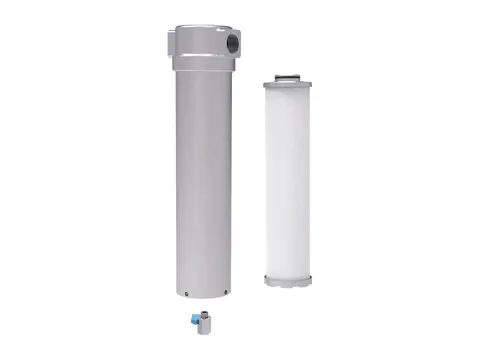
Ammonia and Refrigerant Filters
Keeps compressor oil out of your condensers and evaporators.
View product -
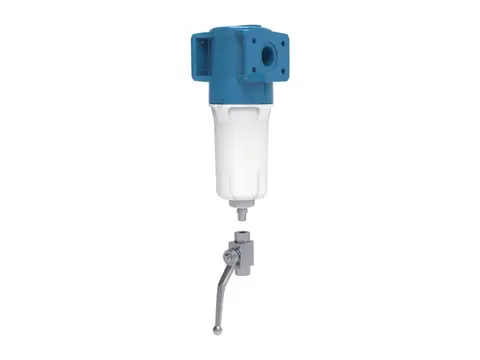
Oxygen Filters
Particle-free oxygen for your system, without adding an ignition source.
View product -
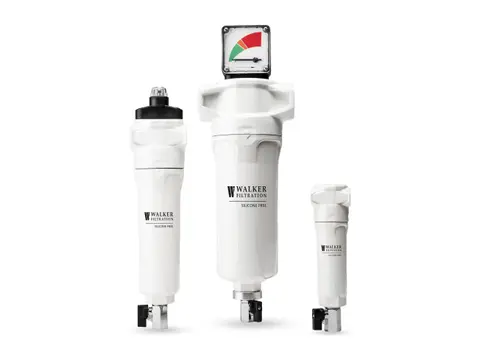
Silicone-Free Filters
Crater-free paint finishes, from air free of paint-wetting contaminants.
View product -
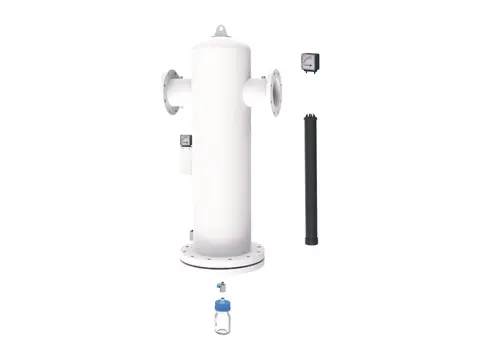
Medical Vacuum Filters
Keeps pathogens from hospital suction away from your pumps and exhaust.
View product -
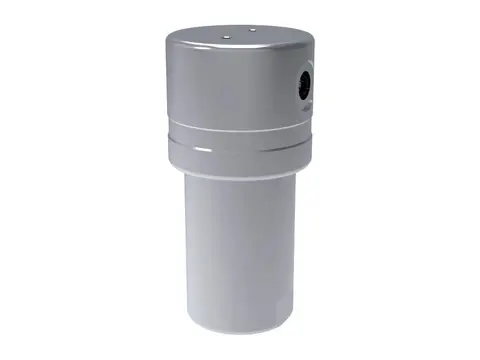
Hydrogen Filters
Particle, aerosol and oil-free hydrogen, from electrolyser to dispenser.
View product -
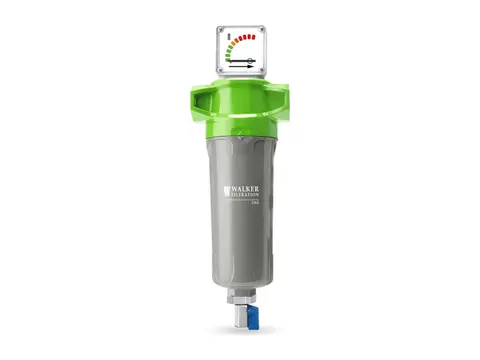
CNG Filters
Oil-free, particle-free natural gas from your compressor to the vehicle.
View product
-
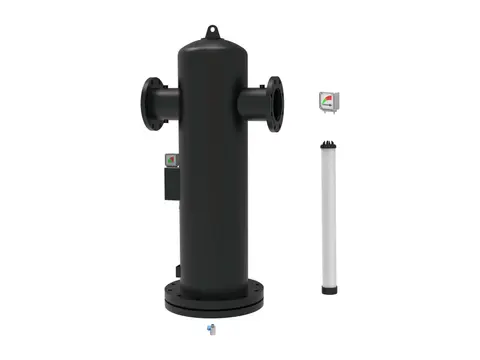
Centrifugal Moisture Separators
Bulk liquid out of your air by centrifugal force, with no element to replace.
View product -
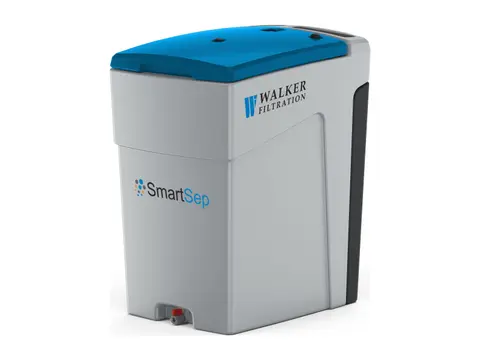
Oil Water Separator
Turns oily compressor condensate into water fit for sewer discharge.
View product -
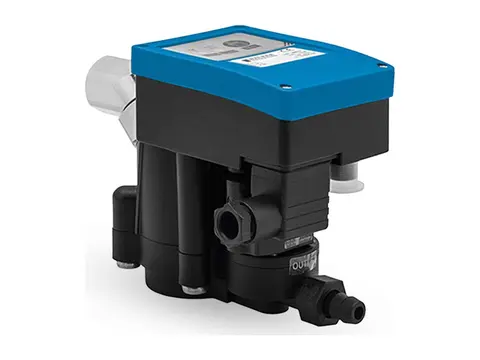
Zero-Loss Electronic Drain
Discharges every drop of condensate from your system, never your compressed air.
View product -
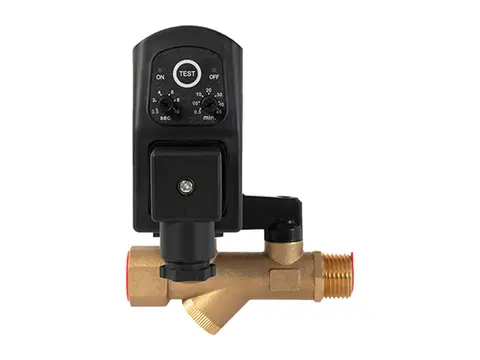
Timer Drain
Scheduled, positive condensate discharge from any collection point in your system.
View product -
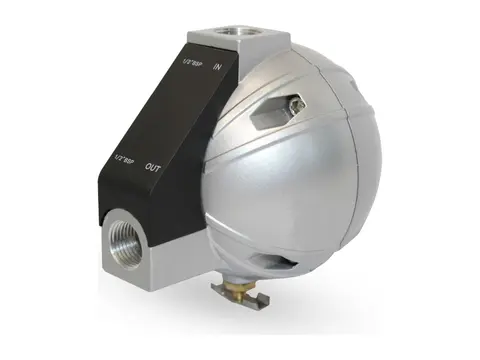
Mechanical Float Drain
Buoyancy-driven condensate removal with no power and no air loss.
View product -
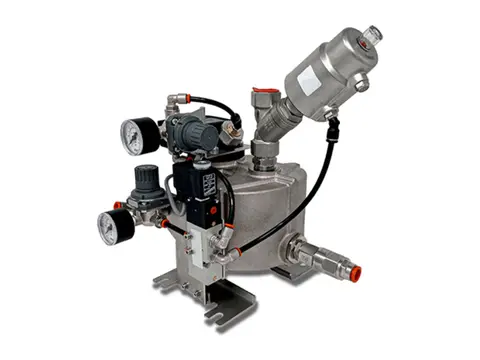
Vacuum Drain
Empties liquid from your vacuum system without breaking the vacuum.
View product
-
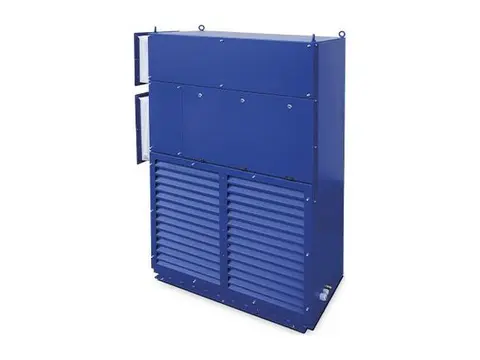
Crane Air Conditioner
Cool, clean cabins and electrical rooms for cranes working in extreme heat.
View product -
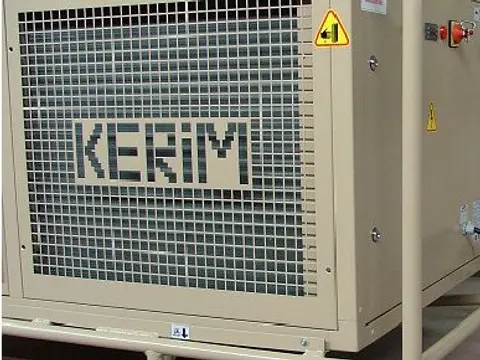
Tent Air Conditioner
Controlled climate for your tents, shelters and temporary structures.
View product -
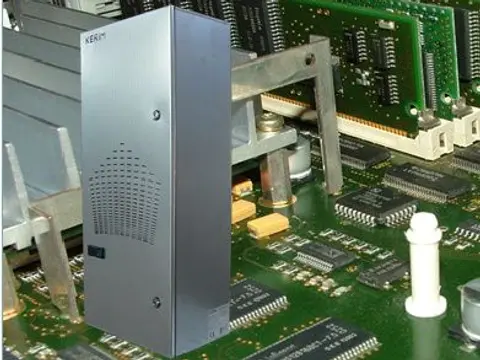
Panel Air Conditioner
Cool, clean, dry control panels, even in your hottest, dirtiest plant areas.
View product -
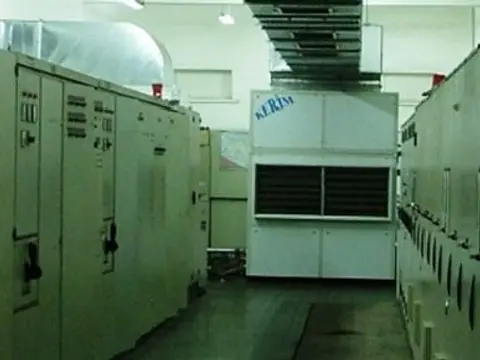
Air / Water Cooled Air Conditioner
Stable room temperatures for your electrical rooms in extreme plant heat.
View product
-
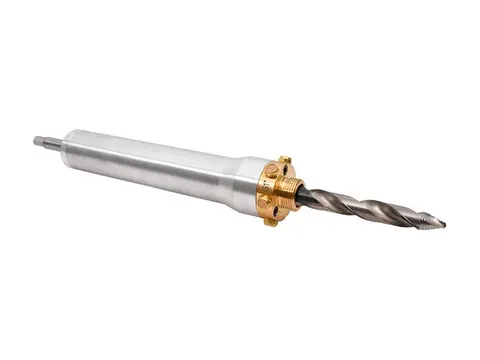
Hot Tapping
Add measurement ports to your live air lines without stopping production.
View product -
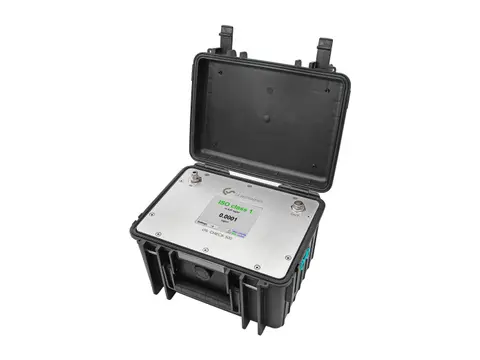
Compressed Air Quality Measurement
Prove your air's ISO 8573-1 purity: particles, oil and dew point.
View product -
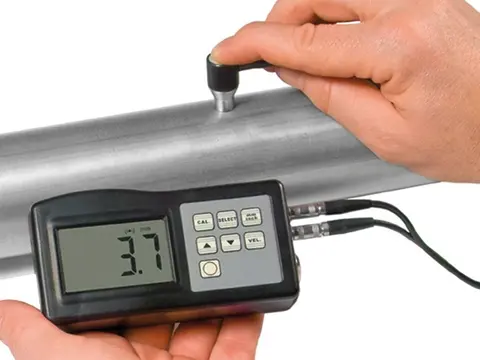
Digital Thickness Meter
Measure the metal left in your receivers and pipework, from the outside.
View product -
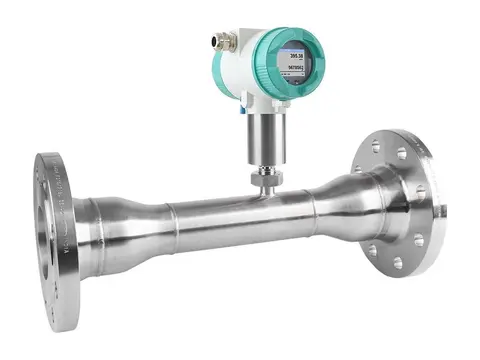
Flow Meter
True standard flow of your compressed air, whatever the line pressure.
View product -
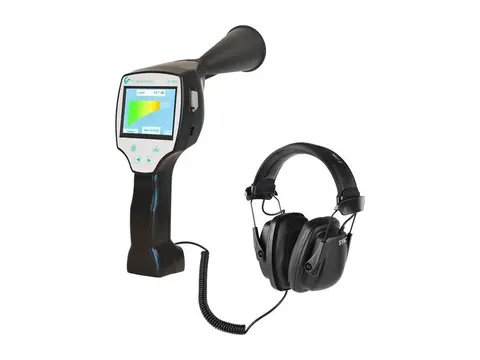
Leak Detector
Hear, locate and cost every compressed air leak in your plant.
View product -
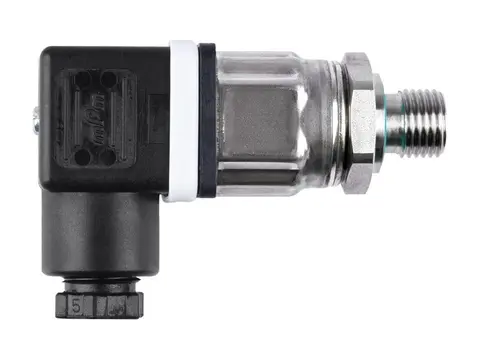
Pressure Sensor
Live pressure data from your compressor room to every point of use.
View product -
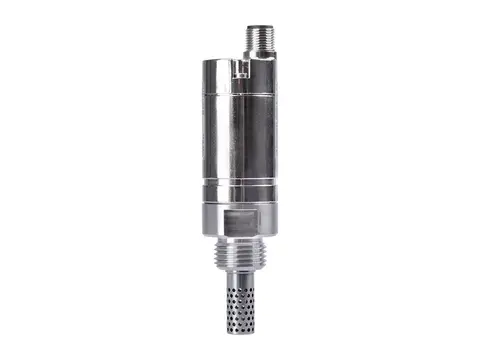
Humidity Meter
Humidity, temperature and dew point from one probe.
View product -
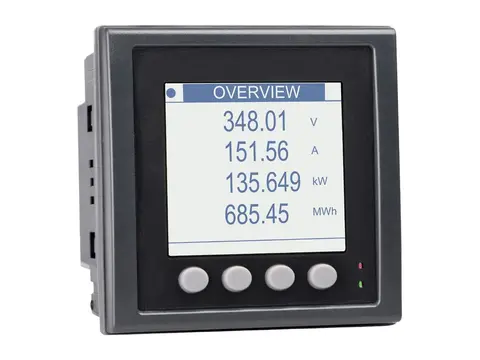
Power Meter
Measure the true power, energy and efficiency of your compressors.
View product
-
Health Testing of Compressed Air & Gas Dryers
Measured proof your dryer delivers its rated dew point.
View service -
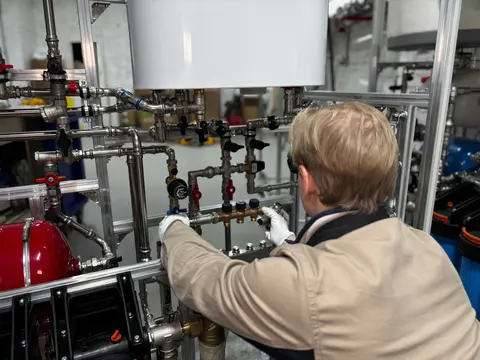
Commissioning and Service of Compressed Air & Gas Dryers
Verified dew point from first start-up through your dryer's service life.
View service -
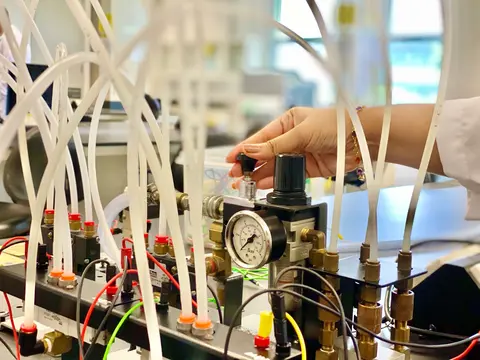
Compressed Air Quality Testing
Measured, documented proof of your compressed air purity class.
View service -
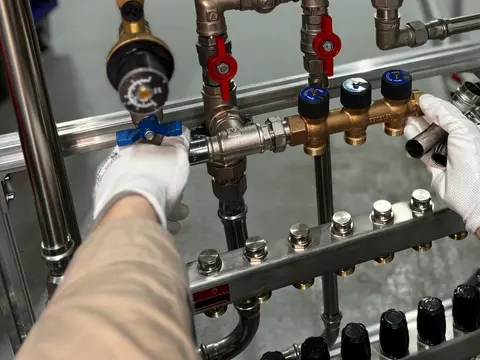
Dew Point Measurement Testing
Verified pressure dew point at the points that matter in your network.
View service -
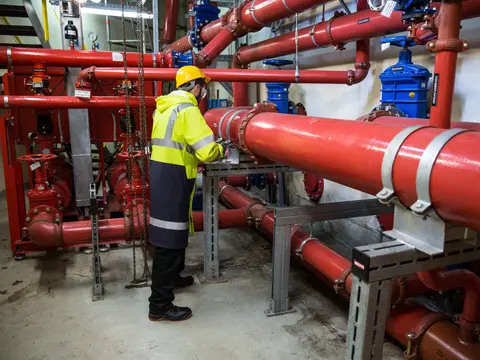
Compressed Air Flow Testing
Measured air demand, leakage and cost for your plant, not estimates.
View service -
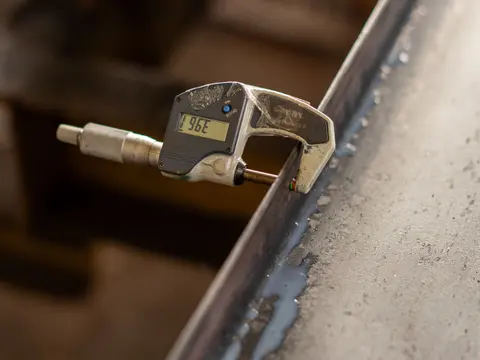
Wall Thickness Testing
Know the remaining wall, corrosion rate and safe life of your equipment.
View service -

Sourcing
Spares, consumables and whole systems for your plant, sourced globally.
View service
