

Condensate Management
Oil Water Separator
Oily condensate in, water fit for the sewer out, with gravity doing all the work.
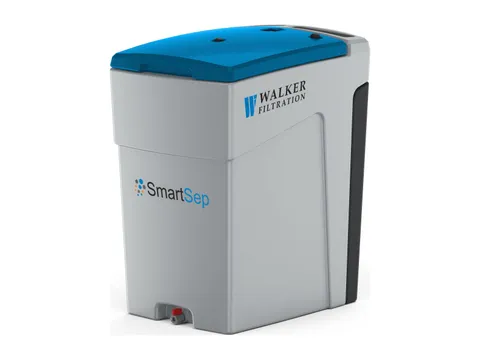
Product overview
Make your condensate fit for the sewer
Every lubricated compressor sends oil out with its condensate. Our oil water separator takes that oil out, so the water can go to a foul sewer within the oil limits your local authority sets, while the recovered oil is collected separately for disposal as waste oil.
A plant compressing 1,000 m³/h of free air at 25 °C and 60 % RH makes about 13 litres of condensate an hour after the aftercooler and a refrigerated dryer, or roughly 100 m³ over an 8,000-hour year. At a representative oil carryover of 3 mg/m³, it carries around 230 mg of oil per litre.
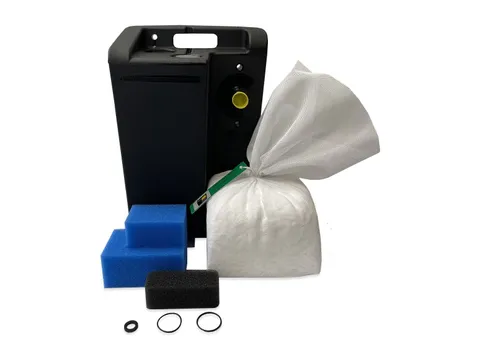
The separator runs at atmospheric pressure with no electrical supply. Gravity floats the free oil off, then oleophilic media and activated carbon capture the fine droplets and dissolved hydrocarbons, bringing the water down to the low mg/l range that discharge limits require.
- 230 mg/lOil in typical untreated condensate
- 20 mg/lIndian limit for oil to public sewers
- Roughly 24 kgOil to dispose of a year, from 100 m³ of condensate
- ZeroPower, pumps or compressed air needed
Benefits
The problems it solves
Condensate from a lubricated compressor is oily effluent, not clean water. Here is what that costs a plant, and how the separator deals with it.
-
Discharge limits
The problem
Oil and grease limits of 10–20 mg/l are common, and untreated condensate at hundreds of mg/l exceeds them by one to two orders of magnitude.
How it solves it
Gravity, oleophilic media and activated carbon bring your treated water within the oil and grease limits of sewer and surface water consents.
-
Paying to haul water away
The problem
Without treatment, every litre must be stored and removed by a waste contractor: 100 m³ or more a year per 1,000 m³/h of compressor capacity.
How it solves it
Only the separated oil and the spent media go to a contractor, a small fraction of the condensate you produce.
-
Audits and inspections
The problem
Discharging untreated oily condensate can breach discharge consents, and ISO 14001 auditors look for documented treatment.
How it solves it
Records of media changes and water tests give you the evidence for ISO 14001 audits and regulatory inspections.
-
Running costs
The problem
Pumped and powered treatment adds energy use and more equipment to maintain.
How it solves it
Gravity drives the whole process, with no electrical supply, pumps or compressed air, so the only running cost is media replacement.
-
Oil in your drains
The problem
Oil builds up on sewer walls with solids and fats, and coats the sludge in effluent treatment plants.
How it solves it
Oil and solids are kept out of your drains, interceptors and on-site effluent treatment plant.
-
Hidden compressor faults
The problem
A worn oil separator element in the compressor can raise oil carryover several times over.
How it solves it
A sudden rise in the oil collected gives you early warning of increased carryover from the compressor.
Where it’s used
Wherever lubricated compressors run
Every lubricated compressor produces oily condensate that ends up at a drain. The separator belongs at the end of that drain line, whatever your industry.
-

Automotive plants
Large central compressor stations that produce thousands of litres of condensate a day.
-
Textiles
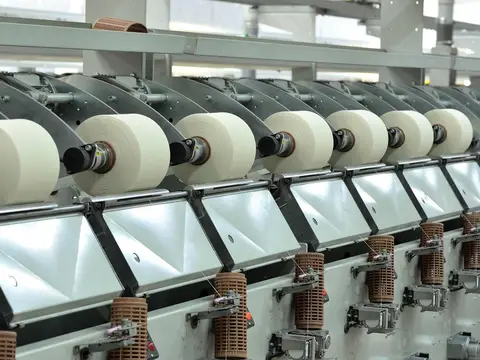
Air-jet looms consume large air volumes, often in humid climates, so condensate volumes are high.
-

Food and beverage
Plants with lubricated compressors that must keep oil out of effluent covered by environmental audits.
-

Pharmaceuticals and chemicals
Sites with effluent treatment plants that limit the oil entering biological treatment.
-
Steel, foundries and cement
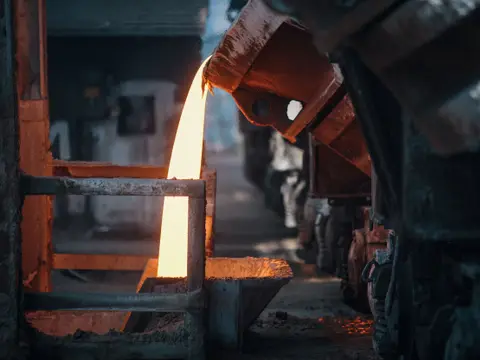
Compressors in dusty, hot conditions that generate condensate carrying oil and solids.
-

Power plants and refineries
Instrument and service air compressors discharging into drainage that is monitored for oil.
Also general manufacturing and engineering, workshops, garages and vehicle depots, mining and construction, hospitals and commercial buildings, shipyards and ports, and temporary compressor installations.
How it works
Settle, skim, polish
Your condensate flows through the separator by gravity alone. The oil is floated off and skimmed, then the water is polished before it leaves.
-
1. Release the airCondensate and air from your drains enter the expansion chamber. The air, expanding eightfold from 7 bar g, is vented, and the liquid flows on calmly into the tank.
-
2. SettleIn the quiet settling tank, solids sink and oil droplets rise: a 100 µm droplet rises 2.55 m an hour, a 10 µm droplet only 0.026 m an hour.
-
3. Skim the oilWhen the oil layer on the surface reaches the weir, it overflows into the collection container, with no moving part or level switch.
-
4. PolishWater drawn from the bottom of the tank passes through oleophilic media, which capture the fine droplets, then activated carbon, which adsorbs dissolved hydrocarbons.
-
5. DischargeTreated water rises to the outlet and leaves by gravity through the sampling point to the sewer. Each new charge of condensate displaces an equal volume of treated water.
Worked example: a 1,000 m³/h plant at 25 °C and 60 % RH, with 3 mg/m³ oil carryover.
Get the full details
Our brochure covers it in detail, and our questionnaire tells us what we need to recommend the right one for your plant.
Keep exploring
More from our range
Equipment for every stage of your compressed air, and our own engineers to test, commission and look after it.
-
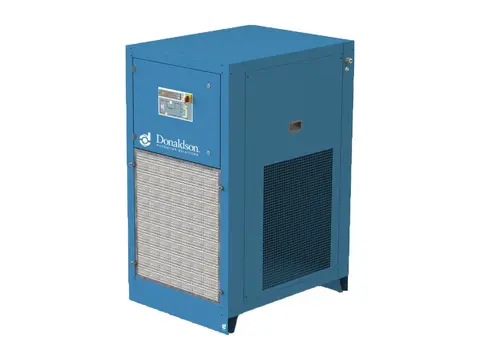
Refrigerated Air Dryers
Dry, condensate-free air for your plant, with no compressed air spent drying.
View product -
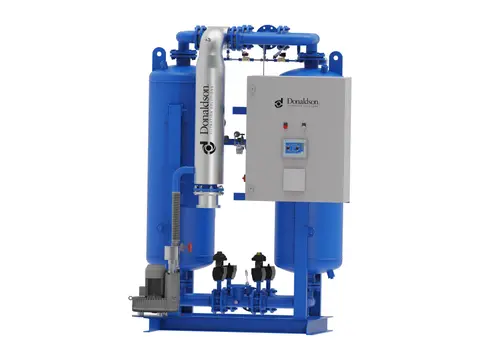
Heated Desiccant Dryers
Deep, stable dew points for your air, with heat doing the regeneration.
View product -
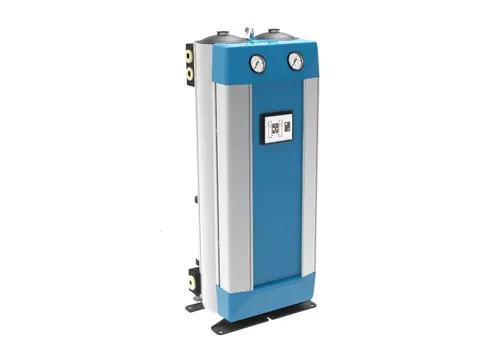
Heatless Desiccant Dryers
Deep dew points without heaters, for hazardous areas and remote sites.
View product -
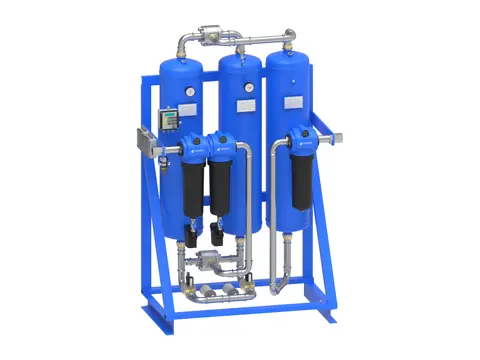
Breathing Air Systems
Your plant’s compressed air, made safe to breathe.
View product -
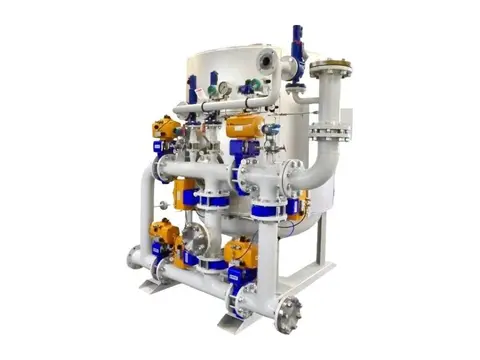
Hydrogen Dryers & De-Oxo Units
Electrolytic hydrogen purified of oxygen and water, ready for fuel cells.
View product -
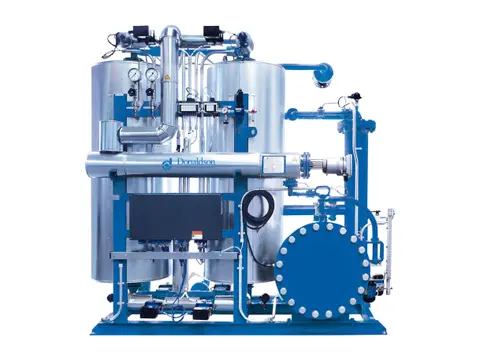
Biogas & Natural Gas Dryers
Dry, condensate-free fuel gas for your engines, boilers and upgrading plant.
View product -
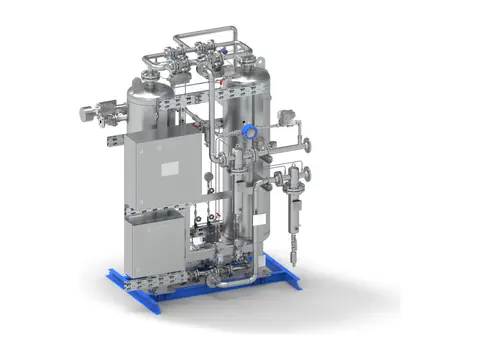
CO₂ Dryers
Beverage-grade dry CO₂ for your recovery plant, with no gas vented.
View product -
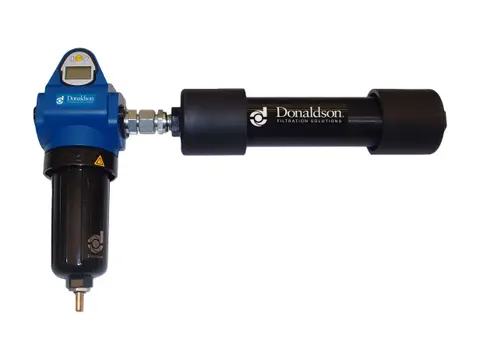
Membrane Dryers
Dry air at the point of use, with no power and no moving parts.
View product
-
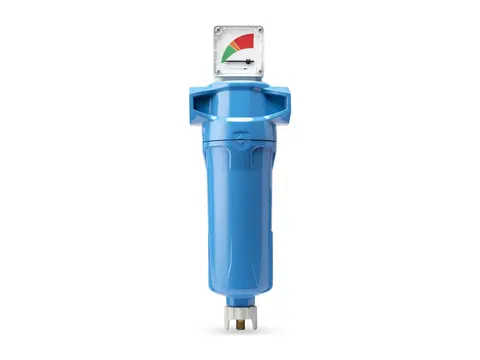
Coalescing Filters
Takes oil and water aerosols out of your air, down to 0.01 mg/m³.
View product -
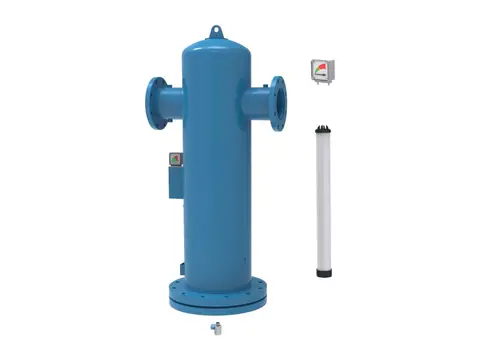
Particulate Filters
Dry, dust-free air for your plant, down to 0.01 µm particles.
View product -
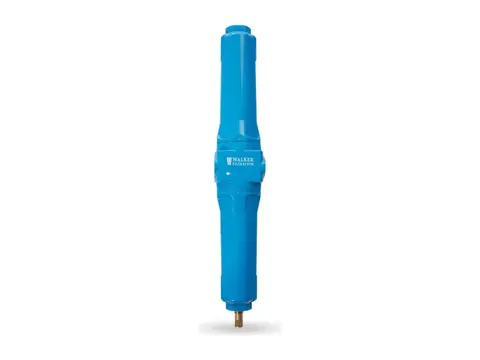
Compressed Air Duplex Filters
Change filter elements without interrupting your air supply.
View product -
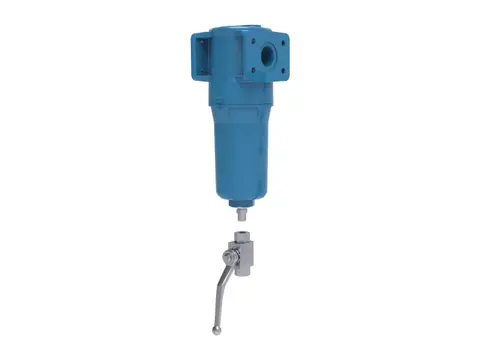
High Pressure Filters
Certified air purity for your high-pressure lines, up to 350 bar g.
View product -
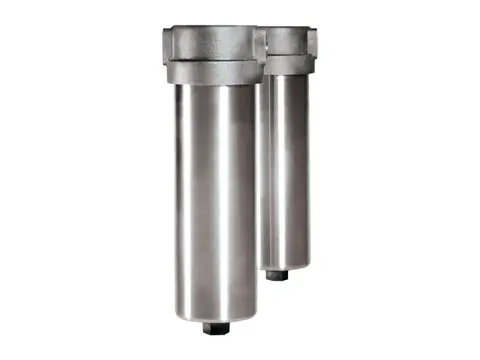
High Temperature Filters
Particle-free compressed air and gas where your process runs hot.
View product -
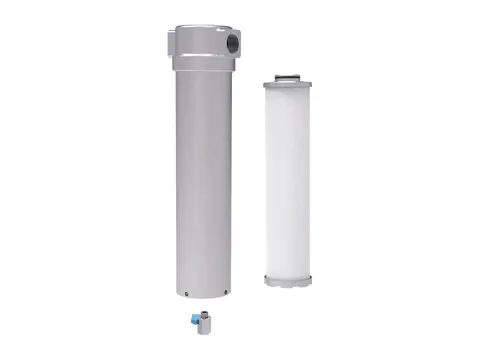
Ammonia and Refrigerant Filters
Keeps compressor oil out of your condensers and evaporators.
View product -
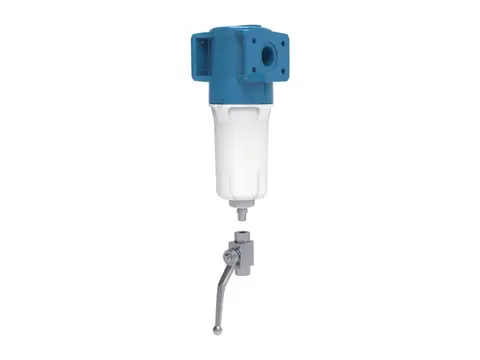
Oxygen Filters
Particle-free oxygen for your system, without adding an ignition source.
View product -
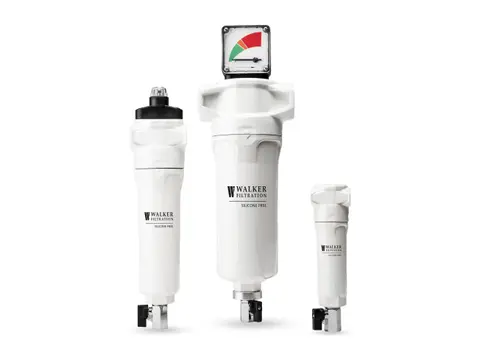
Silicone-Free Filters
Crater-free paint finishes, from air free of paint-wetting contaminants.
View product -
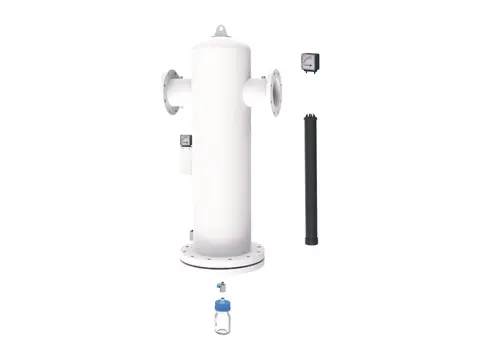
Medical Vacuum Filters
Keeps pathogens from hospital suction away from your pumps and exhaust.
View product -
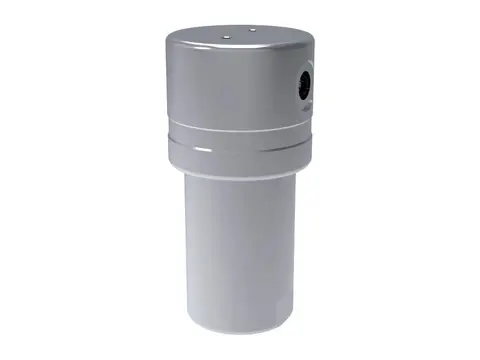
Hydrogen Filters
Particle, aerosol and oil-free hydrogen, from electrolyser to dispenser.
View product -
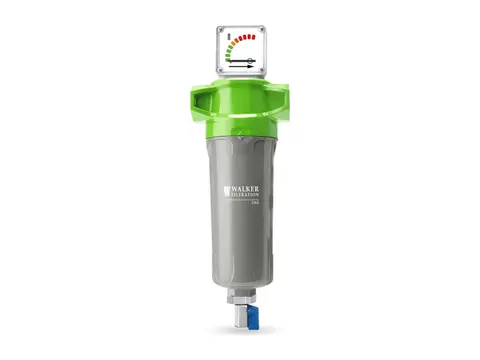
CNG Filters
Oil-free, particle-free natural gas from your compressor to the vehicle.
View product
-
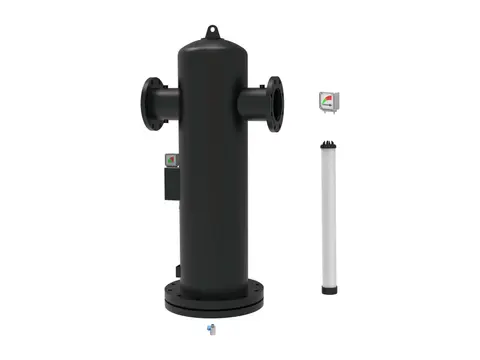
Centrifugal Moisture Separators
Bulk liquid out of your air by centrifugal force, with no element to replace.
View product -
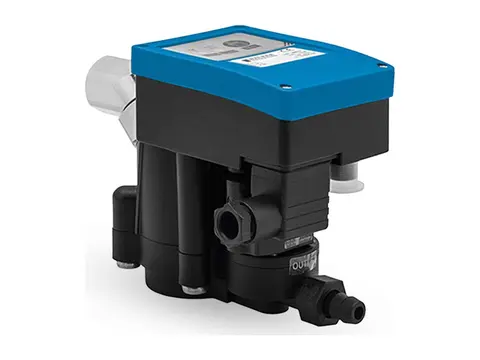
Zero-Loss Electronic Drain
Discharges every drop of condensate from your system, never your compressed air.
View product -
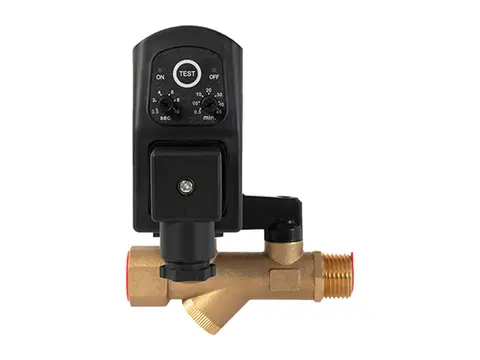
Timer Drain
Scheduled, positive condensate discharge from any collection point in your system.
View product -
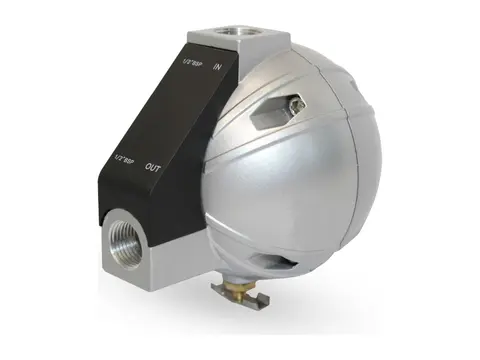
Mechanical Float Drain
Buoyancy-driven condensate removal with no power and no air loss.
View product -
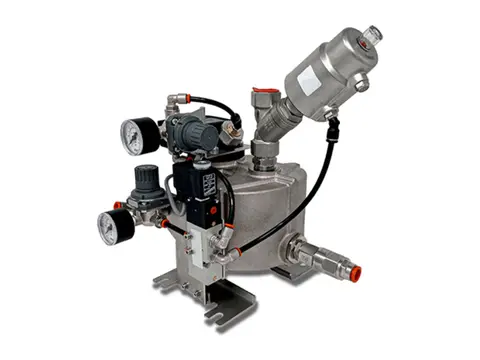
Vacuum Drain
Empties liquid from your vacuum system without breaking the vacuum.
View product
-
Crane Air Conditioner
Cool, clean cabins and electrical rooms for cranes working in extreme heat.
View product -
Tent Air Conditioner
Controlled climate for your tents, shelters and temporary structures.
View product -
Panel Air Conditioner
Cool, clean, dry control panels, even in your hottest, dirtiest plant areas.
View product -
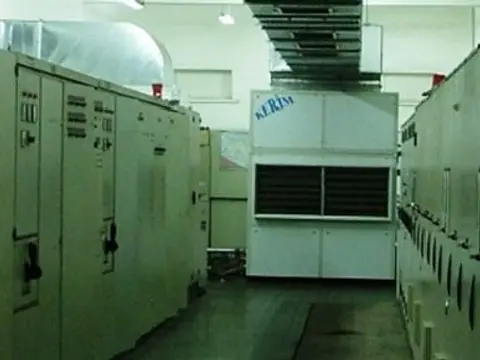
Air / Water Cooled Air Conditioner
Stable room temperatures for your electrical rooms in extreme plant heat.
View product
-
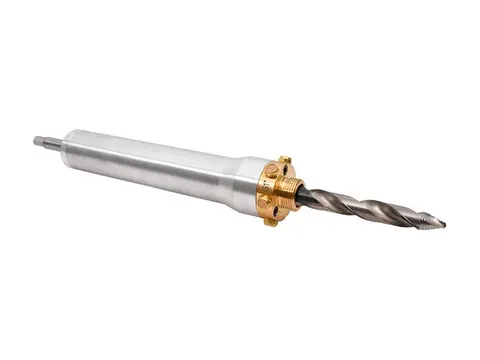
Hot Tapping
Add measurement ports to your live air lines without stopping production.
View product -
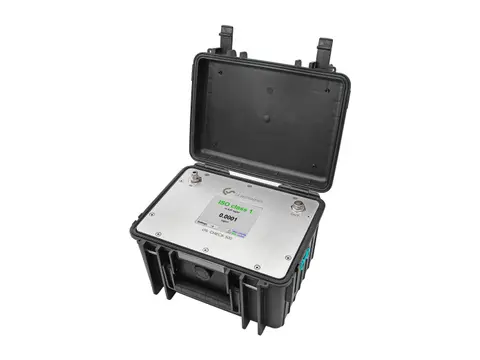
Compressed Air Quality Measurement
Prove your air's ISO 8573-1 purity: particles, oil and dew point.
View product -
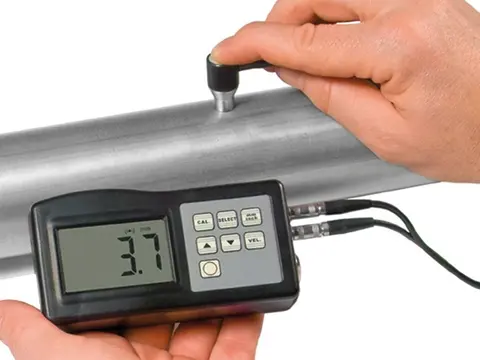
Digital Thickness Meter
Measure the metal left in your receivers and pipework, from the outside.
View product -
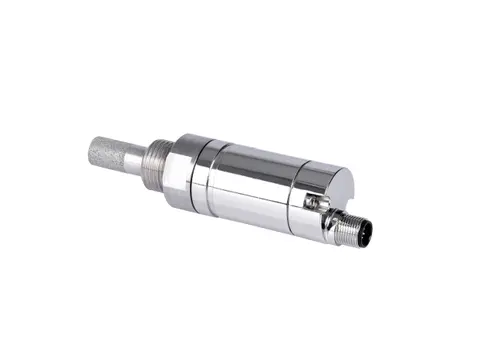
Dew Point Meter
Proof your air is dry, measured at line pressure.
View product -
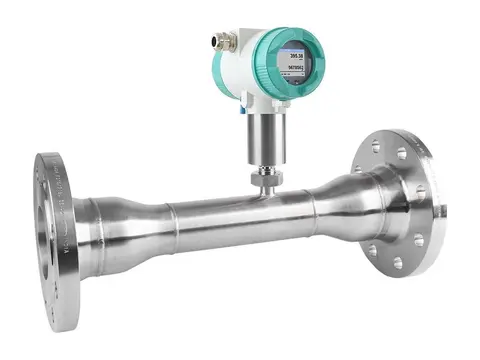
Flow Meter
True standard flow of your compressed air, whatever the line pressure.
View product -

Leak Detector
Hear, locate and cost every compressed air leak in your plant.
View product -
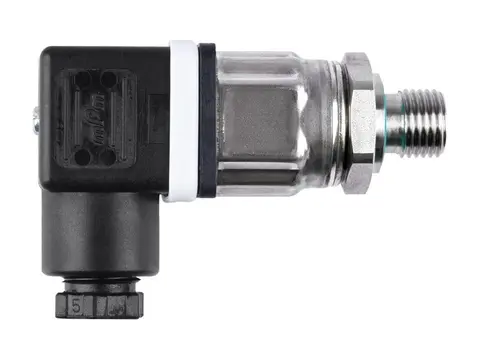
Pressure Sensor
Live pressure data from your compressor room to every point of use.
View product -
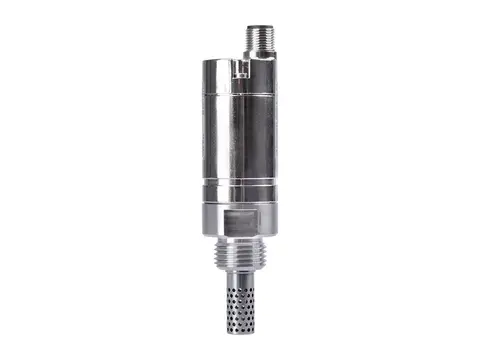
Humidity Meter
Humidity, temperature and dew point from one probe.
View product -
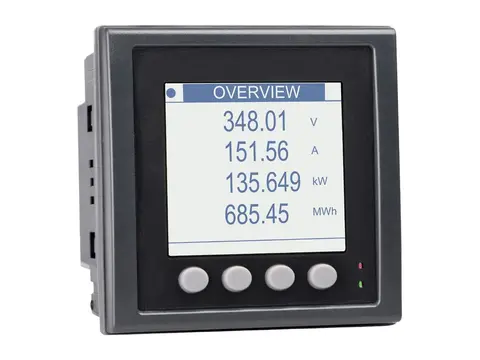
Power Meter
Measure the true power, energy and efficiency of your compressors.
View product
-
Health Testing of Compressed Air & Gas Dryers
Measured proof your dryer delivers its rated dew point.
View service -
Commissioning and Service of Compressed Air & Gas Dryers
Verified dew point from first start-up through your dryer's service life.
View service -
Compressed Air Quality Testing
Measured, documented proof of your compressed air purity class.
View service -
Dew Point Measurement Testing
Verified pressure dew point at the points that matter in your network.
View service -
Compressed Air Flow Testing
Measured air demand, leakage and cost for your plant, not estimates.
View service -
Wall Thickness Testing
Know the remaining wall, corrosion rate and safe life of your equipment.
View service -
Sourcing
Spares, consumables and whole systems for your plant, sourced globally.
View service
