
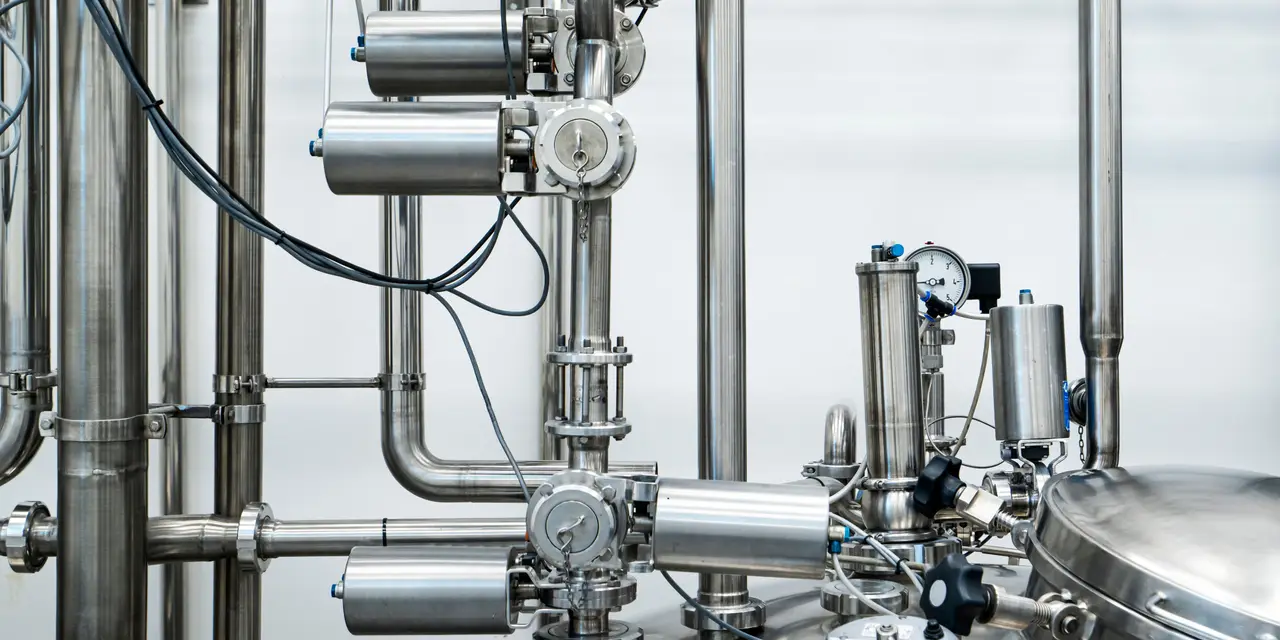
Compressed Air & Gas Filters
Compressed Air Duplex Filter
Change your filter elements on any shift, while your plant keeps running on fully filtered air.
Product overview
Filter maintenance that never stops your process
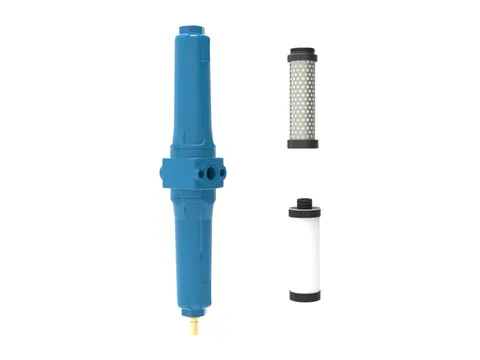
Our duplex filter places two identical filter paths in parallel between a linked pair of changeover valves. One path carries the full flow while the other stands by. Move the changeover and the flow transfers to the standby path, so the first housing can be isolated, vented, opened and fitted with a new element while your process keeps receiving filtered air at line pressure.
At no point in the valves' travel are both paths closed, and the air never has a route around the filter media. Every cubic metre you receive has passed through an element of the grade you specified, including the air delivered during maintenance.
Each path takes any grade: general-purpose coalescing at 1 µm, high-efficiency coalescing to 0.01 mg/m³ oil aerosol, particulate for dry dust, or activated carbon so total oil can reach 0.003 mg/m³.
- 0.01 mg/m³Oil aerosol, high-efficiency coalescing grade
- 0.003 mg/m³Total oil with activated carbon
- No stoppageTo change an element
- About 12,600 kWhA year wasted by one overdue element, in a 75 kW example
Benefits
The problems it solves
Every filter element has to be changed eventually. On a single filter, that means either stopping production or sending unfiltered air downstream. The duplex filter removes that choice.
-
A shutdown for every change
The problem
Changing an element on a single filter means isolating it, and a process that cannot stop has to wait for the next planned outage.
How it solves it
Element changes take place during normal operation, at any shift, with no production stoppage.
-
Unfiltered air through a bypass
The problem
A bypass around a single filter sends unfiltered air downstream for the whole service period, and oil-fouled desiccant does not recover.
How it solves it
The changeover moves flow from one filtered path to another, so your dryers, carbon beds and process never see raw air.
-
Energy lost to overdue elements
The problem
A postponed change keeps loading the element, and each bar of extra compressor discharge pressure costs about 7 % more compressor energy.
How it solves it
Elements are replaced when their pressure drop reaches the limit, not deferred to a shutdown, keeping your compressor discharge pressure down.
-
Gaps in your audit trail
The problem
Auditors expect the specified air quality class to hold through maintenance events, not only between services.
How it solves it
Continuous filtration supports your ISO 8573-1, BCAS Guideline 102, European Pharmacopoeia and HTM 02-01 records without maintenance exceptions.
-
Rushed, risky maintenance
The problem
Working on a filter against the clock of a stopped line invites mistakes on a pressurised housing.
How it solves it
The path being serviced is isolated and vented while your process keeps running, so technicians work without time pressure.
-
Upsets that stop the plant
The problem
A failed drain, a damaged bowl seal, a blocked element or an oil carryover event would otherwise force a shutdown.
How it solves it
Switch paths, and deal with the fault on the isolated housing straight away.
Where it’s used
For processes that cannot stop
Where a filter change must not reduce either the air supply or the air quality, the duplex arrangement keeps both.
-

Refining, petrochemicals and chemicals
Instrument air for control valves, analysers and shutdown systems, and air for reactor blanketing and process supply.
-

Power generation
Instrument and service air for boilers, turbines, ash handling and switchgear that must stay available during unit operation.
-
Pharmaceuticals and biotechnology
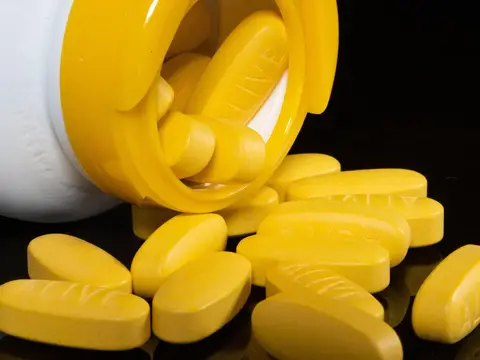
Fermenter aeration, tablet coating, filling lines and clean room pneumatics, where a filter shutdown would scrap a batch.
-
Food and beverage
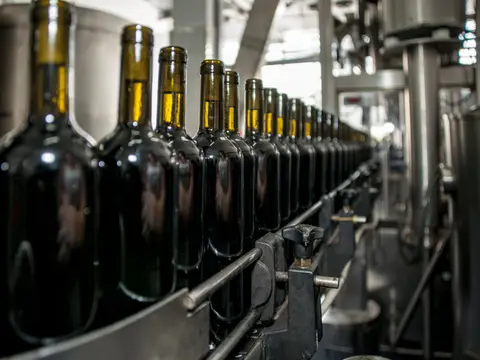
Dairy, brewing, bottling and packaging lines holding BCAS Guideline 102 Class 2:2:1 through element changes.
-
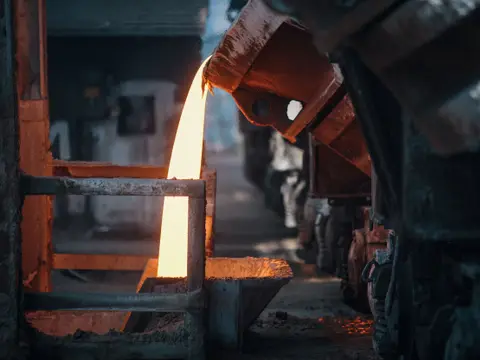
Steel
Continuous furnaces that need uninterrupted air for burners, instruments and cooling.
-
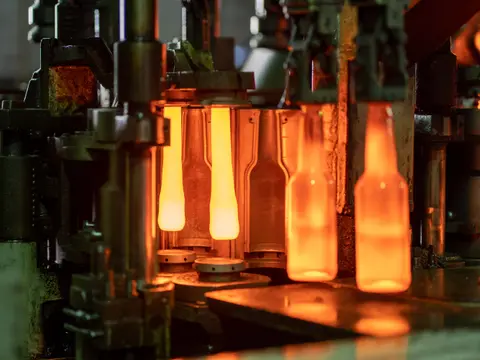
Glass
Float lines that run for years between rebuilds and need uninterrupted air.
Also hospitals and medical air plant, cement kilns, semiconductors and electronics, nitrogen generators feeding continuous processes, and breathing air for blasting hoods and protective suits.
How it works
Two paths, one flow
Linked valves at the inlet and outlet always move together, so one filter path is always open and the other can be serviced in safety.
-
1. One path in serviceThe inlet changeover valve sends the full flow through filter A, and the outlet valve returns it to your line. Filter B is closed at both ends, fully isolated from the pressurised system.
-
2. FilterThe element in service removes aerosols, particles or vapour to its grade. In a coalescing path, the captured liquid drains to the bowl, and each housing discharges its own condensate through its own drain.
-
3. Service the standbyThe isolated housing is vented to atmosphere and drained. With zero pressure confirmed, the element and O-rings are replaced and the vent closed, and it waits as the standby.
-
4. EqualiseBefore a changeover, the equalising valve is opened slowly and fills the standby housing to line pressure over tens of seconds, so no pressure surge reaches your process.
-
5. Change overThe linked valves move in one continuous stroke. The opening path starts to open before the closing path shuts, so the flow never stops and no position sends air around the filters.
Get the full details
Our brochure covers it in detail, and our questionnaire tells us what we need to recommend the right one for your plant.
Keep exploring
More from our range
Equipment for every stage of your compressed air, and our own engineers to test, commission and look after it.
-
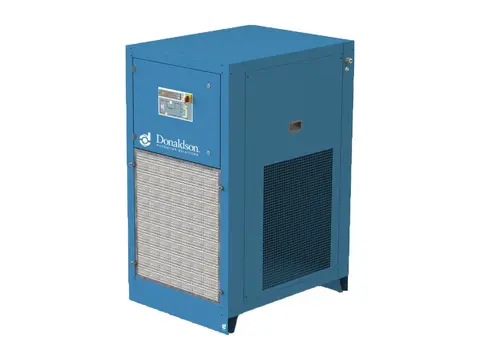
Refrigerated Air Dryers
Dry, condensate-free air for your plant, with no compressed air spent drying.
View product -
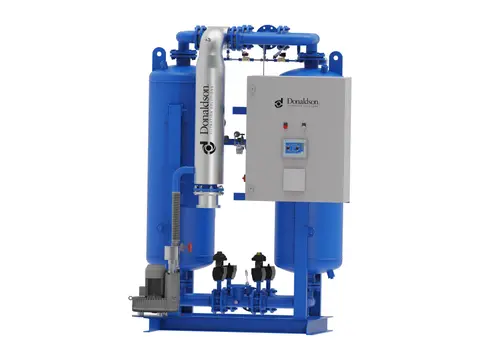
Heated Desiccant Dryers
Deep, stable dew points for your air, with heat doing the regeneration.
View product -
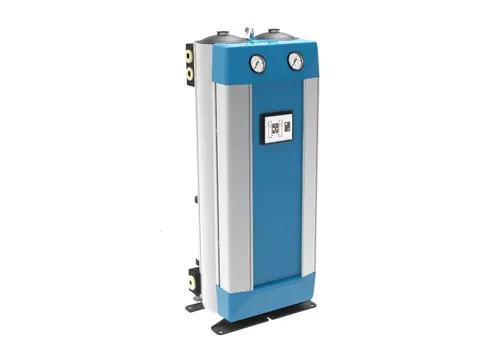
Heatless Desiccant Dryers
Deep dew points without heaters, for hazardous areas and remote sites.
View product -
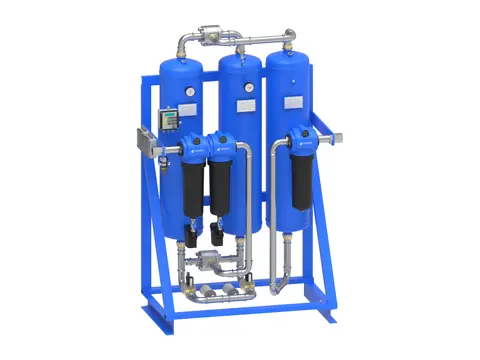
Breathing Air Systems
Your plant’s compressed air, made safe to breathe.
View product -
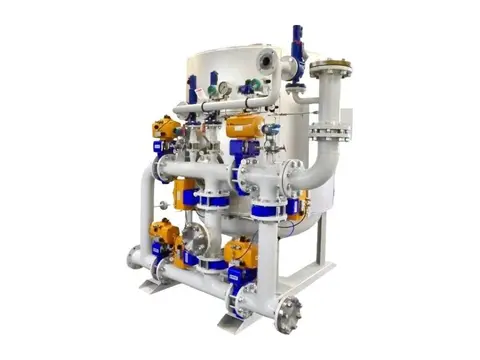
Hydrogen Dryers & De-Oxo Units
Electrolytic hydrogen purified of oxygen and water, ready for fuel cells.
View product -
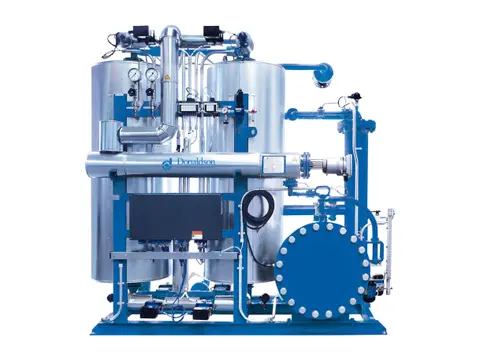
Biogas & Natural Gas Dryers
Dry, condensate-free fuel gas for your engines, boilers and upgrading plant.
View product -
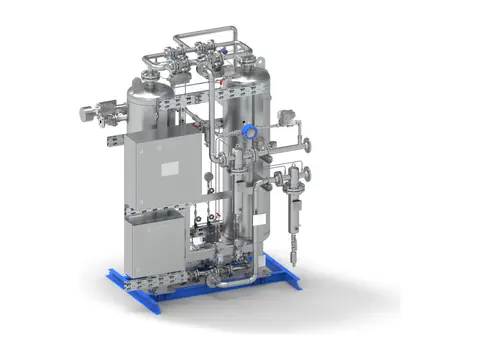
CO₂ Dryers
Beverage-grade dry CO₂ for your recovery plant, with no gas vented.
View product -
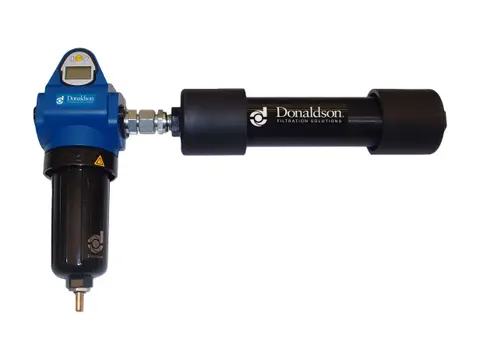
Membrane Dryers
Dry air at the point of use, with no power and no moving parts.
View product
-
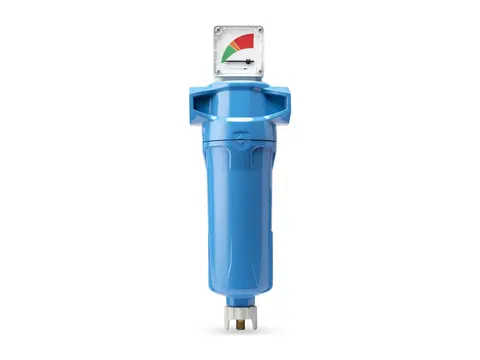
Coalescing Filters
Takes oil and water aerosols out of your air, down to 0.01 mg/m³.
View product -
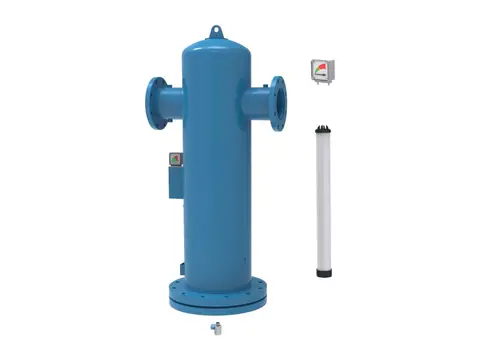
Particulate Filters
Dry, dust-free air for your plant, down to 0.01 µm particles.
View product -
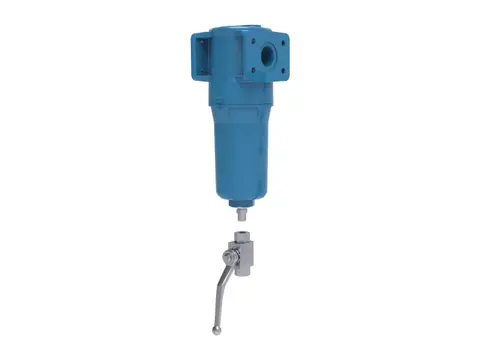
High Pressure Filters
Certified air purity for your high-pressure lines, up to 350 bar g.
View product -
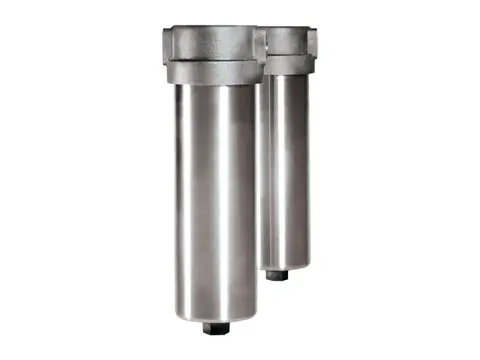
High Temperature Filters
Particle-free compressed air and gas where your process runs hot.
View product -
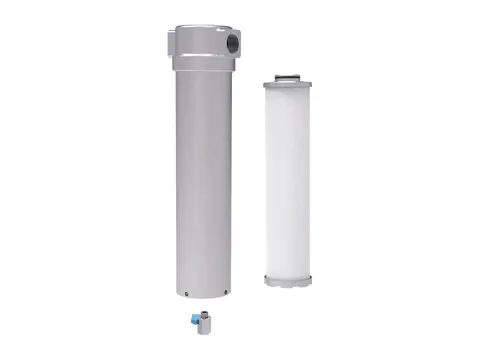
Ammonia and Refrigerant Filters
Keeps compressor oil out of your condensers and evaporators.
View product -
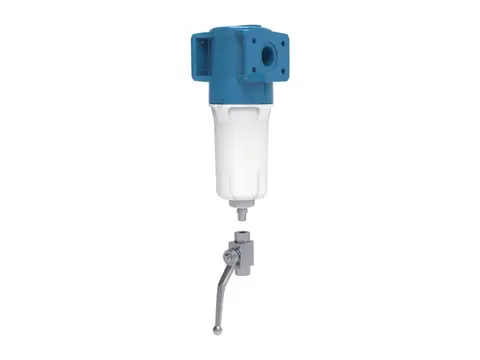
Oxygen Filters
Particle-free oxygen for your system, without adding an ignition source.
View product -
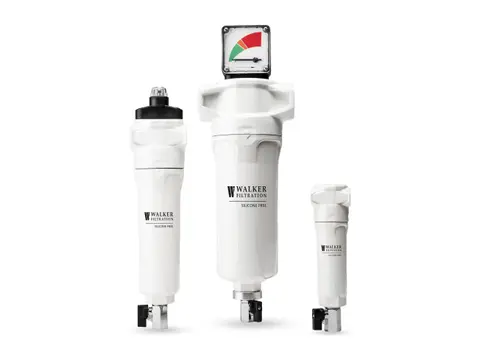
Silicone-Free Filters
Crater-free paint finishes, from air free of paint-wetting contaminants.
View product -
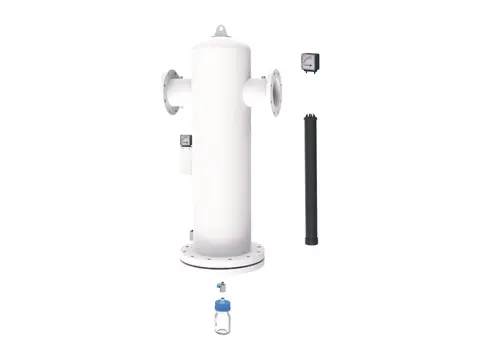
Medical Vacuum Filters
Keeps pathogens from hospital suction away from your pumps and exhaust.
View product -
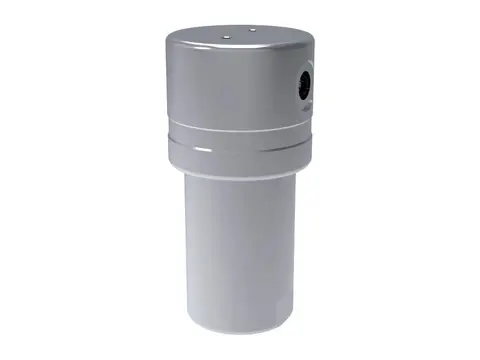
Hydrogen Filters
Particle, aerosol and oil-free hydrogen, from electrolyser to dispenser.
View product -
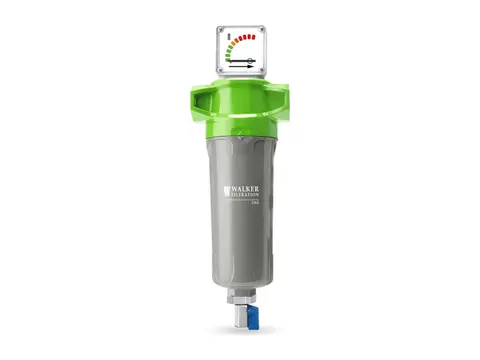
CNG Filters
Oil-free, particle-free natural gas from your compressor to the vehicle.
View product
-
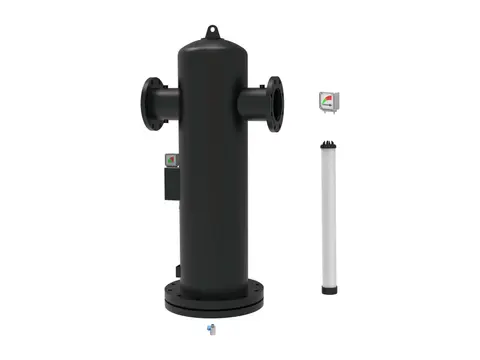
Centrifugal Moisture Separators
Bulk liquid out of your air by centrifugal force, with no element to replace.
View product -
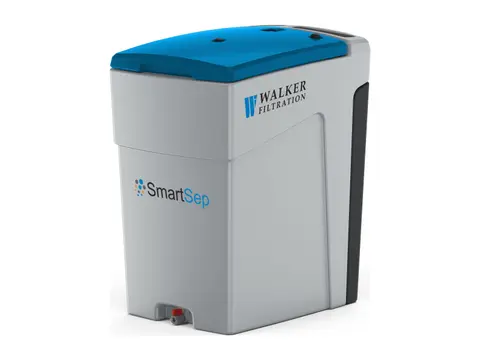
Oil Water Separator
Turns oily compressor condensate into water fit for sewer discharge.
View product -
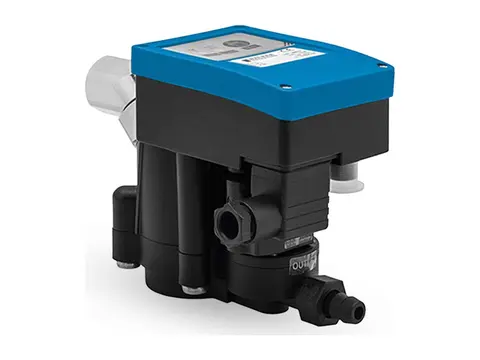
Zero-Loss Electronic Drain
Discharges every drop of condensate from your system, never your compressed air.
View product -
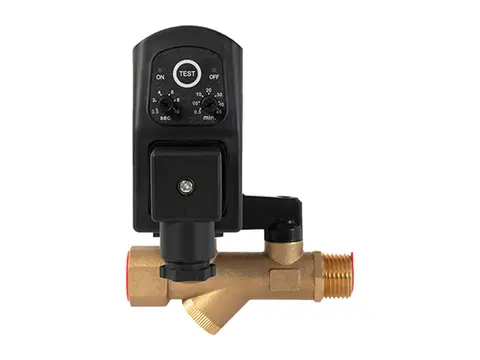
Timer Drain
Scheduled, positive condensate discharge from any collection point in your system.
View product -
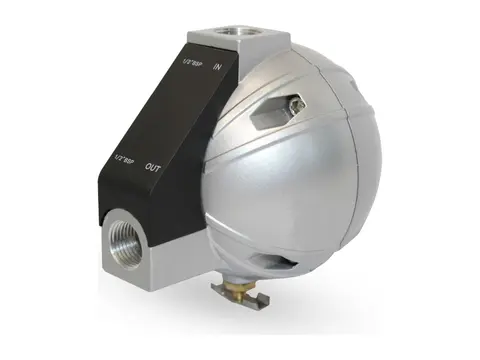
Mechanical Float Drain
Buoyancy-driven condensate removal with no power and no air loss.
View product -
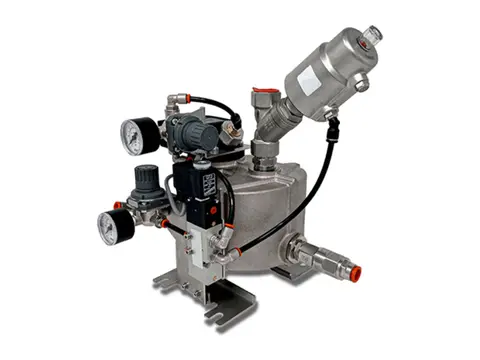
Vacuum Drain
Empties liquid from your vacuum system without breaking the vacuum.
View product
-
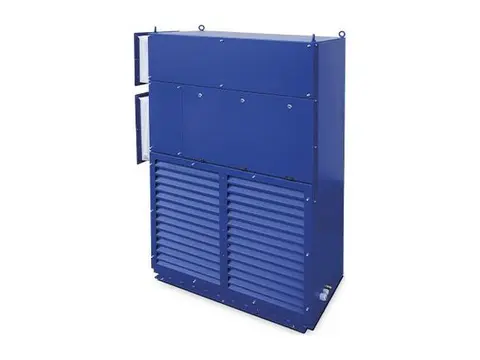
Crane Air Conditioner
Cool, clean cabins and electrical rooms for cranes working in extreme heat.
View product -
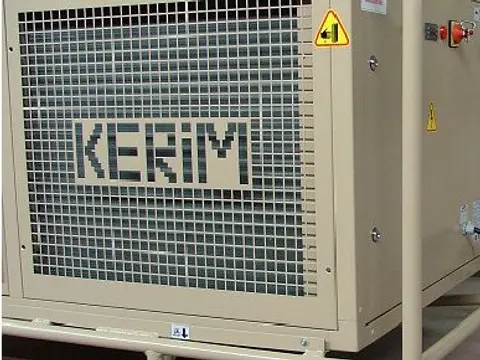
Tent Air Conditioner
Controlled climate for your tents, shelters and temporary structures.
View product -
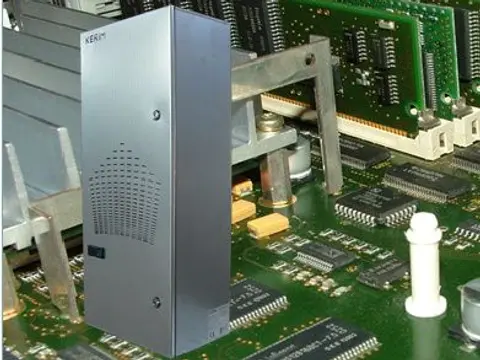
Panel Air Conditioner
Cool, clean, dry control panels, even in your hottest, dirtiest plant areas.
View product -
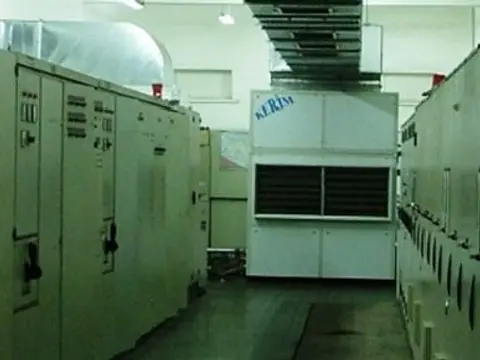
Air / Water Cooled Air Conditioner
Stable room temperatures for your electrical rooms in extreme plant heat.
View product
-
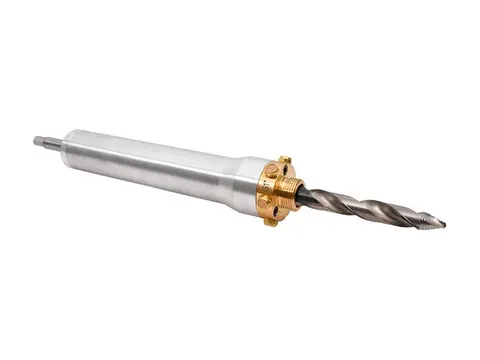
Hot Tapping
Add measurement ports to your live air lines without stopping production.
View product -
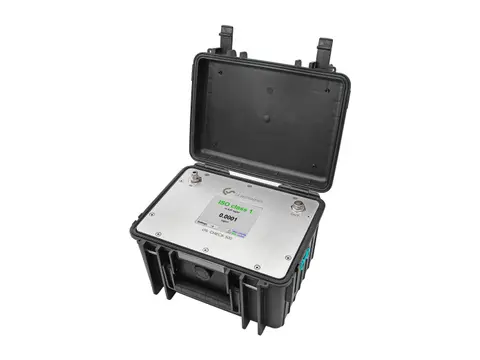
Compressed Air Quality Measurement
Prove your air's ISO 8573-1 purity: particles, oil and dew point.
View product -
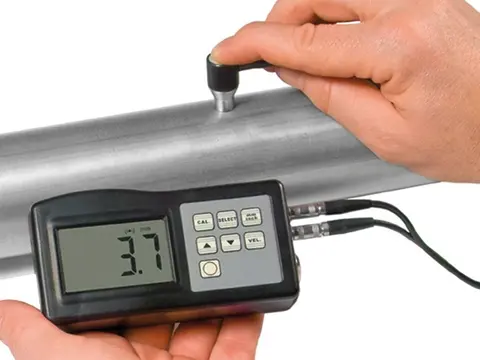
Digital Thickness Meter
Measure the metal left in your receivers and pipework, from the outside.
View product -
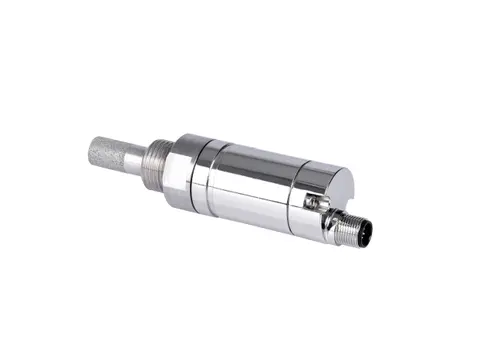
Dew Point Meter
Proof your air is dry, measured at line pressure.
View product -
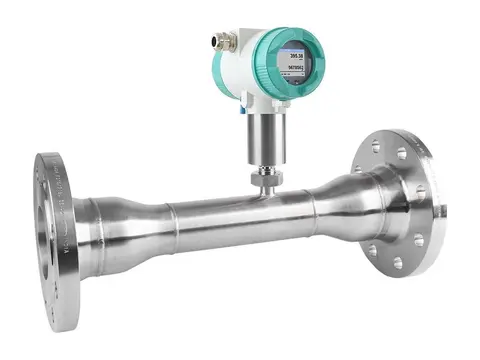
Flow Meter
True standard flow of your compressed air, whatever the line pressure.
View product -
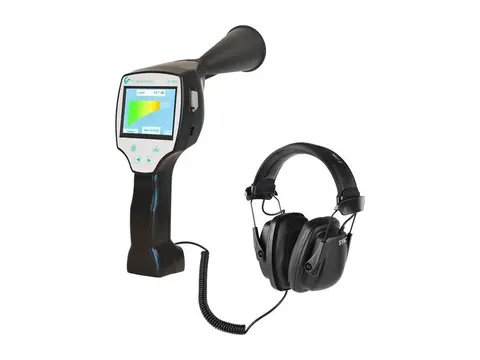
Leak Detector
Hear, locate and cost every compressed air leak in your plant.
View product -
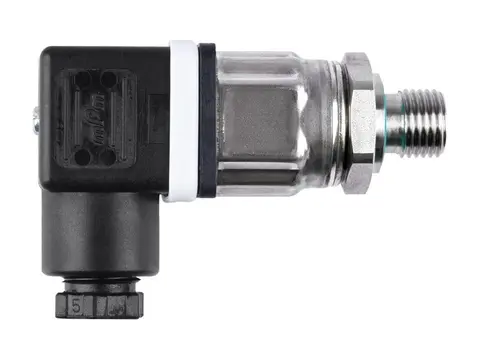
Pressure Sensor
Live pressure data from your compressor room to every point of use.
View product -
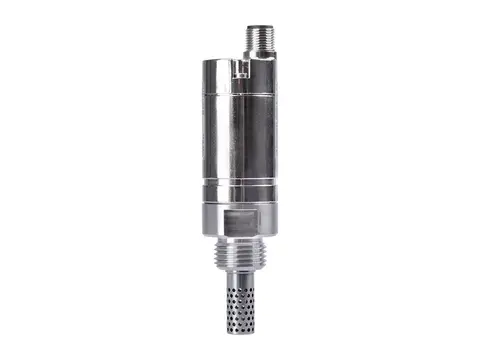
Humidity Meter
Humidity, temperature and dew point from one probe.
View product -
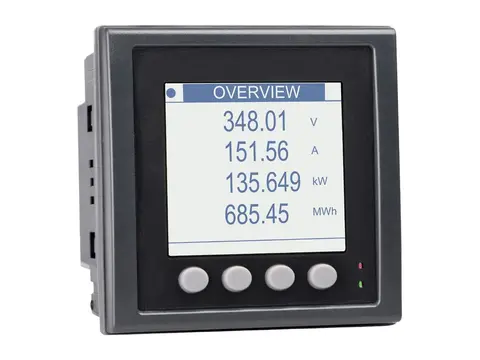
Power Meter
Measure the true power, energy and efficiency of your compressors.
View product
-
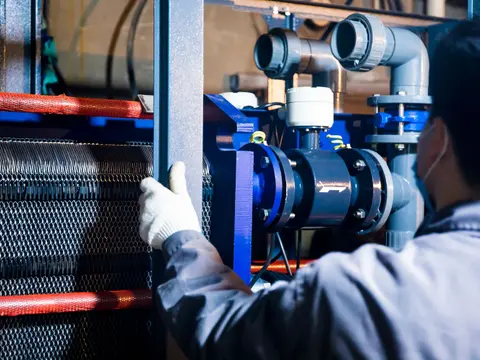
Health Testing of Compressed Air & Gas Dryers
Measured proof your dryer delivers its rated dew point.
View service -
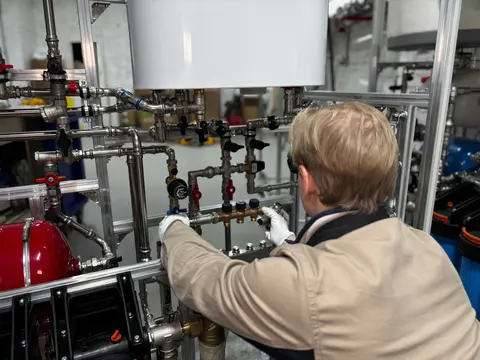
Commissioning and Service of Compressed Air & Gas Dryers
Verified dew point from first start-up through your dryer's service life.
View service -
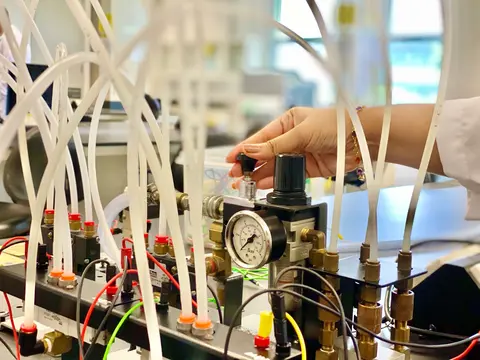
Compressed Air Quality Testing
Measured, documented proof of your compressed air purity class.
View service -
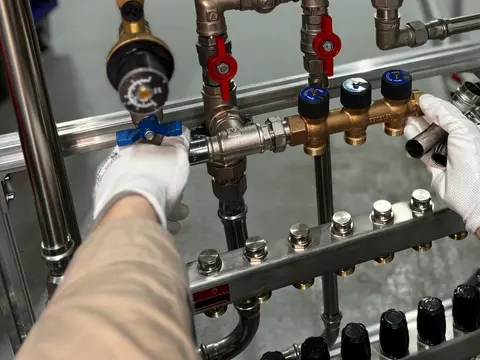
Dew Point Measurement Testing
Verified pressure dew point at the points that matter in your network.
View service -
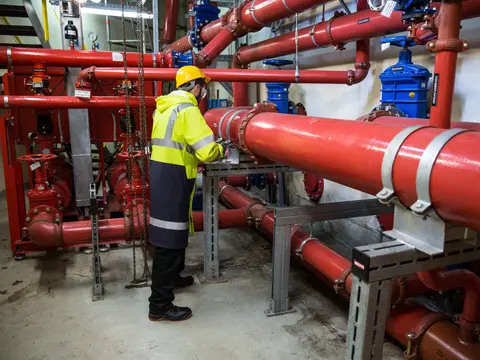
Compressed Air Flow Testing
Measured air demand, leakage and cost for your plant, not estimates.
View service -
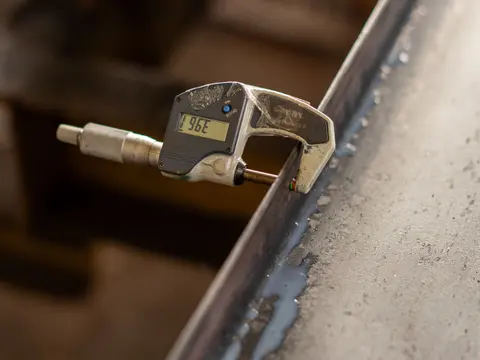
Wall Thickness Testing
Know the remaining wall, corrosion rate and safe life of your equipment.
View service -
Sourcing
Spares, consumables and whole systems for your plant, sourced globally.
View service
