
Compressed Air & Gas Filters
Oxygen Filter
Particle-free oxygen at every valve and regulator seat, from a filter that adds no fuel to your system.
Product overview
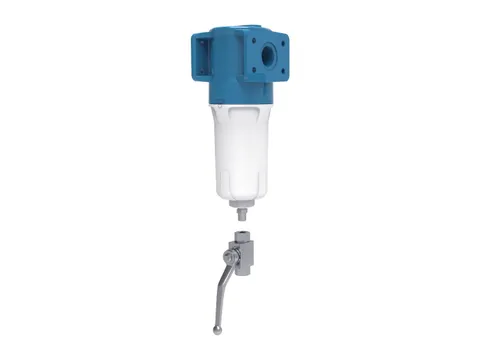
Clean oxygen, without adding an ignition source
In pressurised oxygen, particles are a primary ignition source. Weld slag, pipe scale, thread swarf and valve wear debris travel with the gas, and where it speeds up, at valve seats, regulator orifices and pipe bends, a particle striking a surface can ignite, then ignite the material it hits. Our oxygen filter captures that debris upstream of those points.
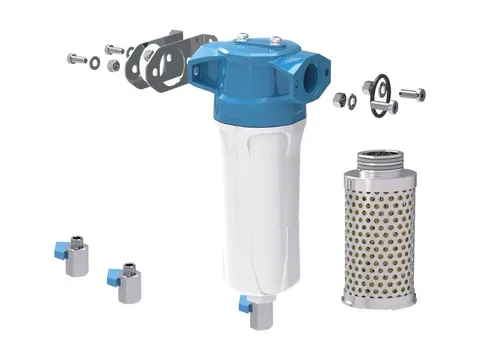
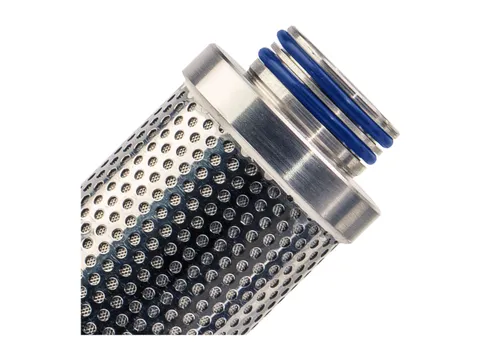
The filter itself is built for oxygen service. Every wetted material is selected for resistance to ignition and combustion at the rated pressure, every surface is cleaned of hydrocarbons and particles, and any lubricant used is oxygen-compatible, so the filter never becomes the fuel.
It serves your oxygen from hospital pipelines at 4 bar g through to cylinder filling at 300 bar, whether it comes from liquid oxygen vaporisers, PSA generators or oxygen-enriched air, and it removes particles only, so the oxygen concentration at the outlet matches the inlet.
- 4 bar g to 300 barFrom hospital pipelines to cylinder filling
- About 950 ×Oxygen partial pressure at 200 bar, against air
- ASTM G93Cleanliness for oxygen service
- 12 monthsLongest interval between element changes
Benefits
The problems it solves
In an oxygen system the oxidiser is always present and the fuel is the system itself. Here is where particles turn that into a risk, and how the filter stops them.
-
Ignition at the seat
The problem
Particles carried by the gas strike regulator seats, valve orifices and pipe bends at speed, where the impact can ignite the particle and the metal it hits.
How it solves it
The filter holds that debris back upstream of your throttling points, removing one of the ignition mechanisms listed in ASTM G88.
-
A filter that adds fuel
The problem
Metals, polymers and trace oils that are inert in compressed air can burn in pressurised oxygen, and hydrocarbon grease is a fuel.
How it solves it
Materials, cleaning and lubricants suit oxygen at the rated pressure, so the filter adds no fuel to your system.
-
Creeping outlet pressure
The problem
A particle trapped on a regulator seat stops it closing fully, so equipment rated for 4–10 bar can see far higher pressure from a cylinder or booster.
How it solves it
Clean regulator seats close fully, keeping your regulated pressure stable and your downstream equipment within its rating.
-
Dust from generators and boosters
The problem
Zeolite beads in PSA oxygen generators abrade as the beds cycle, and booster compressors shed debris from piston rings, rider bands and valves.
How it solves it
A filter at the generator outlet and a high-pressure filter after the booster keep that dust out of your receiver, valves, manifolds and cylinders.
-
Recontaminated pipelines
The problem
A pipeline cleaned for oxygen service stays clean only while no debris enters it, and every cylinder change disturbs rust in valves and pigtails.
How it solves it
The filter stops debris from cylinder changes, switchovers and maintenance, so your cleaned system stays clean.
-
Stopping supply for a change
The problem
Hospital wards and continuous processes cannot lose their oxygen while an element is changed.
How it solves it
Duplex filters with changeover valves let you change an element without stopping supply or sending unfiltered oxygen downstream.
Where it’s used
Wherever oxygen is piped, stored or filled
From a hospital pipeline at 4 bar g to a filling plant at 300 bar, the filter sits ahead of the first valve or regulator that needs protecting.
-

Hospitals and healthcare
Liquid oxygen vaporisers, cylinder manifolds and PSA oxygen plants supplying your wards and theatres.
-
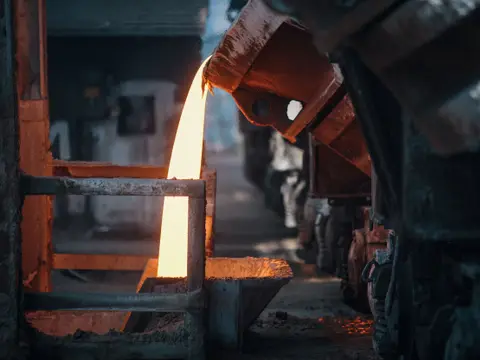
Steel and non-ferrous metals
Oxygen lances in basic oxygen furnaces, oxy-fuel burners in electric arc furnaces, and oxygen enrichment for copper, nickel and lead smelting.
-
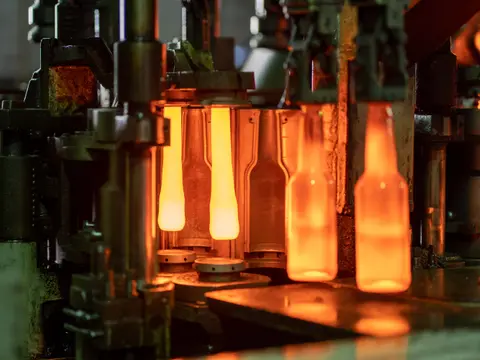
Glass
Oxy-fuel furnaces and burners for container glass, fibreglass and speciality glass.
-
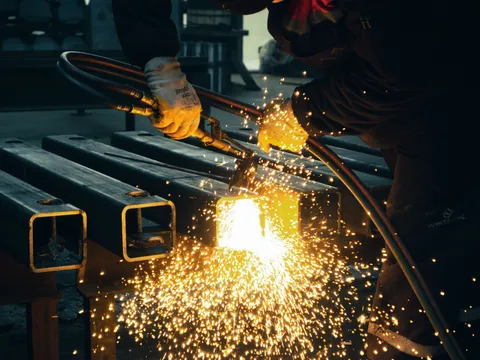
Welding and laser cutting
Oxy-fuel torches and workshop manifolds, and oxygen assist gas for laser cutting mild steel.
-
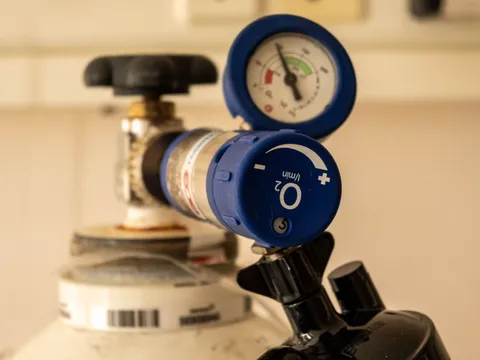
Cylinder filling
Oxygen booster compressors and filling plants, including home, ambulance and rescue cylinders, where frequent valve connections bring in debris.
-

Water and wastewater
Oxygen for activated sludge aeration and for ozone generators used in disinfection and oxidation.
Also aquaculture, pulp and paper, chemicals and petrochemicals, aerospace and aviation, diving, biotechnology and pharmaceuticals, and laboratories.
How it works
Slow in, outside in, clean out
Oxygen spreads around the element, crosses it from the outside to the core, and leaves without the particles that could ignite at your regulator seat.
-
1. EntryOxygen enters the housing and slows as it spreads around the element. A slow-opening isolation valve ahead of the filter limits the rate of pressure rise, and so limits compression heating inside the housing.
-
2. FiltrationThe gas passes from the outside of the element to its core. Particles stay on and within the medium on the upstream side, held by sieving, interception, inertial impaction and diffusion, and the layer they build captures finer particles still.
-
3. ExitFiltered oxygen leaves through the core at the same composition it entered, less the particles, and reaches your regulator seat, the first high-velocity point in the system, clean.
-
4. LoadingCollected particles raise flow resistance, and the differential pressure indicator shows when the element reaches its replacement limit. A sudden rise signals an upstream event; a fall below the clean value suggests a damaged element or leaking seal.
-
5. Venting before serviceBefore the element is changed, the bleed valve relieves housing pressure to a safe outdoor location, so the housing is never opened under pressure.
Get the full details
Our brochure covers it in detail, and our questionnaire tells us what we need to recommend the right one for your plant.
Keep exploring
More from our range
Equipment for every stage of your compressed air, and our own engineers to test, commission and look after it.
-
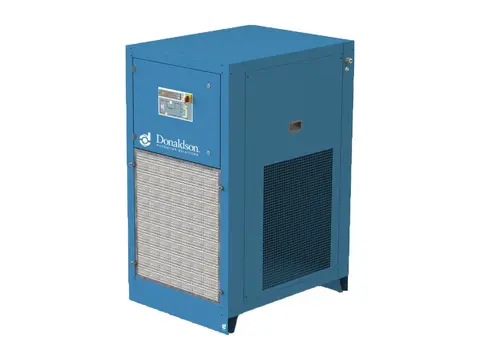
Refrigerated Air Dryers
Dry, condensate-free air for your plant, with no compressed air spent drying.
View product -
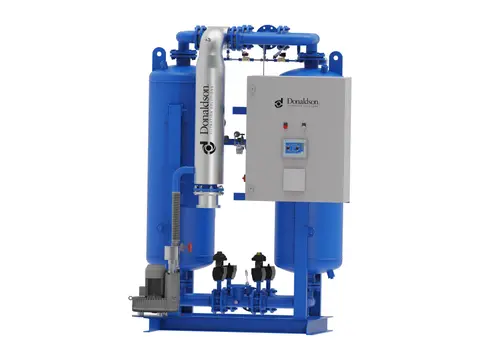
Heated Desiccant Dryers
Deep, stable dew points for your air, with heat doing the regeneration.
View product -
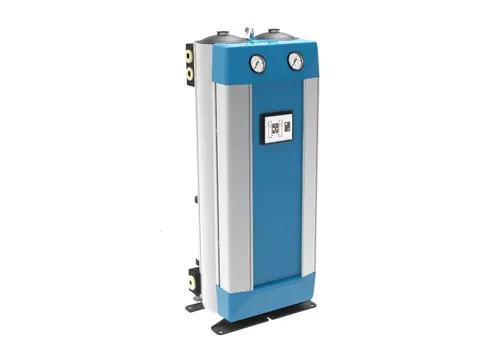
Heatless Desiccant Dryers
Deep dew points without heaters, for hazardous areas and remote sites.
View product -
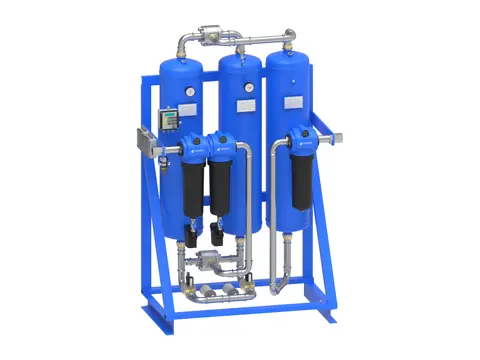
Breathing Air Systems
Your plant’s compressed air, made safe to breathe.
View product -
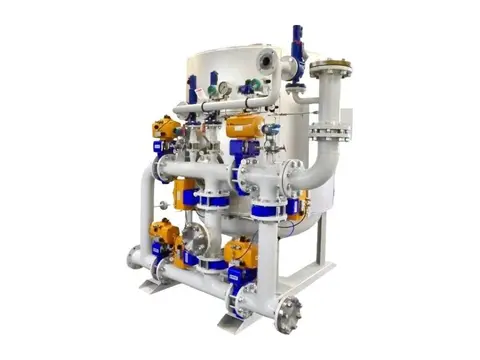
Hydrogen Dryers & De-Oxo Units
Electrolytic hydrogen purified of oxygen and water, ready for fuel cells.
View product -
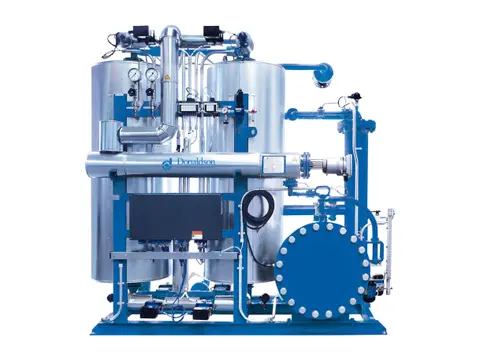
Biogas & Natural Gas Dryers
Dry, condensate-free fuel gas for your engines, boilers and upgrading plant.
View product -
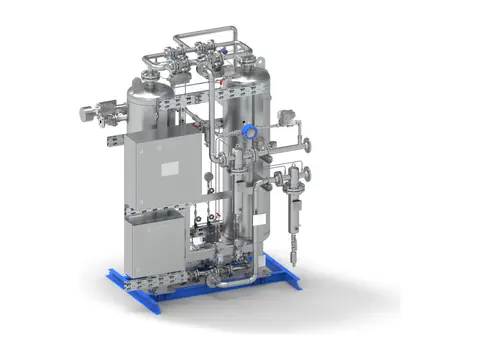
CO₂ Dryers
Beverage-grade dry CO₂ for your recovery plant, with no gas vented.
View product -
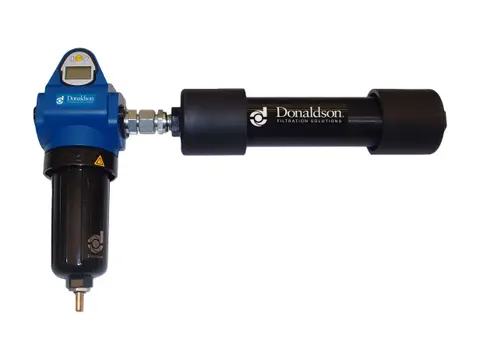
Membrane Dryers
Dry air at the point of use, with no power and no moving parts.
View product
-
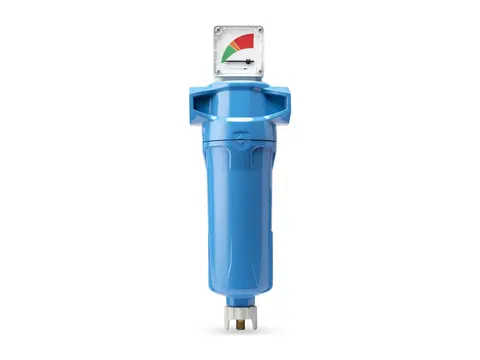
Coalescing Filters
Takes oil and water aerosols out of your air, down to 0.01 mg/m³.
View product -
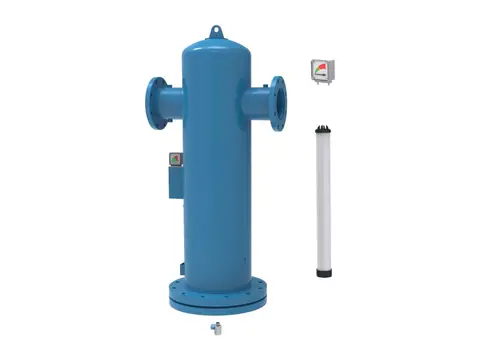
Particulate Filters
Dry, dust-free air for your plant, down to 0.01 µm particles.
View product -
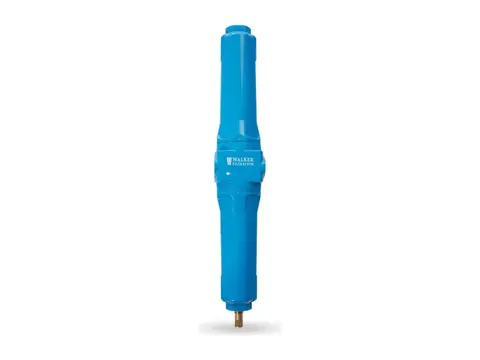
Compressed Air Duplex Filters
Change filter elements without interrupting your air supply.
View product -
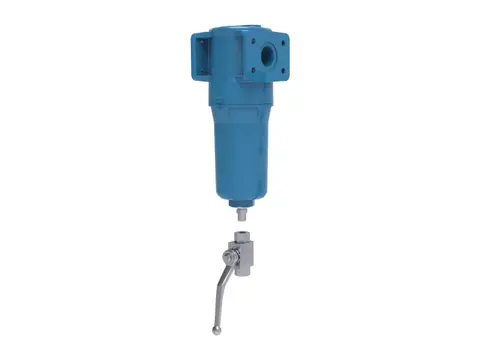
High Pressure Filters
Certified air purity for your high-pressure lines, up to 350 bar g.
View product -
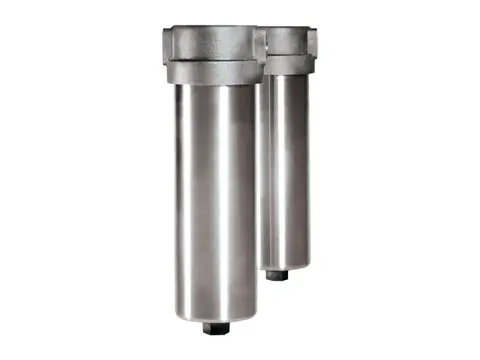
High Temperature Filters
Particle-free compressed air and gas where your process runs hot.
View product -
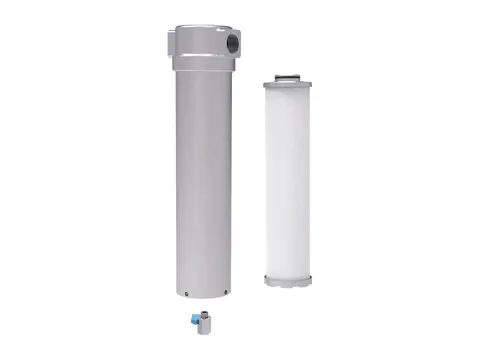
Ammonia and Refrigerant Filters
Keeps compressor oil out of your condensers and evaporators.
View product -
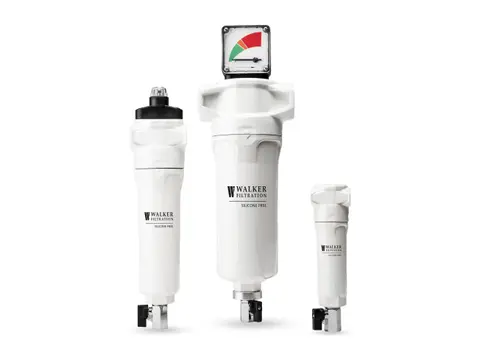
Silicone-Free Filters
Crater-free paint finishes, from air free of paint-wetting contaminants.
View product -
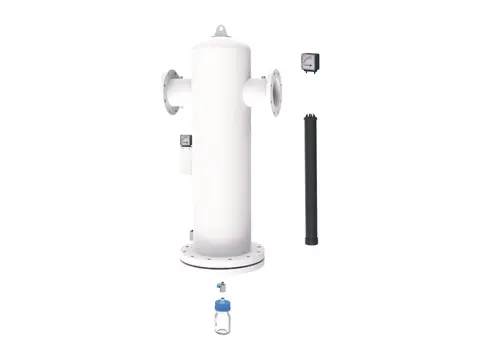
Medical Vacuum Filters
Keeps pathogens from hospital suction away from your pumps and exhaust.
View product -
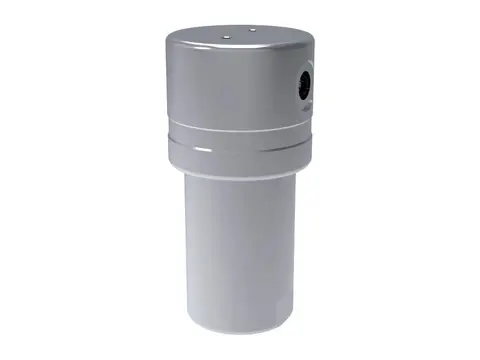
Hydrogen Filters
Particle, aerosol and oil-free hydrogen, from electrolyser to dispenser.
View product -
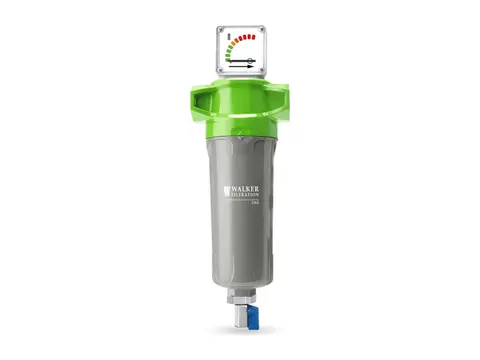
CNG Filters
Oil-free, particle-free natural gas from your compressor to the vehicle.
View product
-
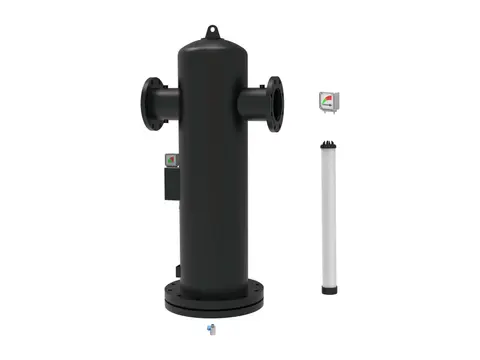
Centrifugal Moisture Separators
Bulk liquid out of your air by centrifugal force, with no element to replace.
View product -
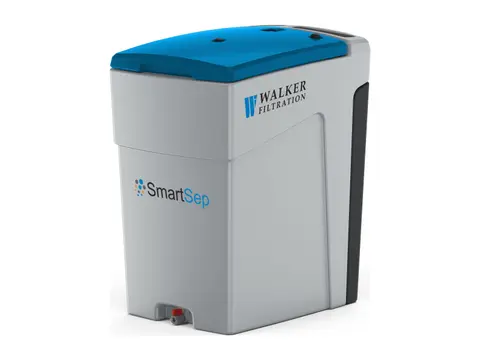
Oil Water Separator
Turns oily compressor condensate into water fit for sewer discharge.
View product -
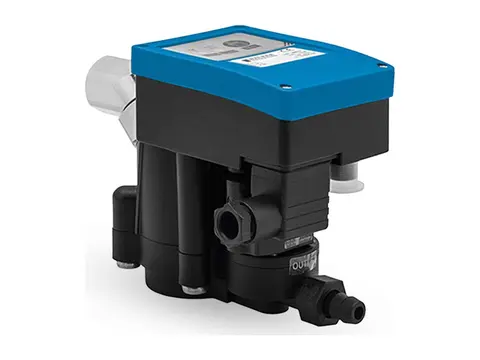
Zero-Loss Electronic Drain
Discharges every drop of condensate from your system, never your compressed air.
View product -
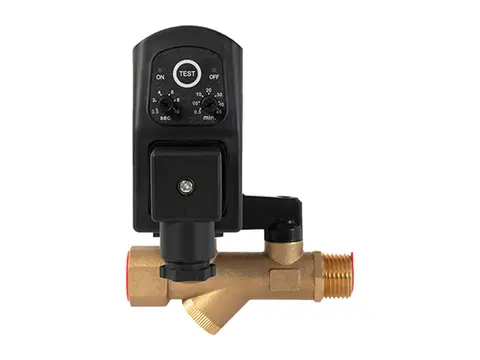
Timer Drain
Scheduled, positive condensate discharge from any collection point in your system.
View product -
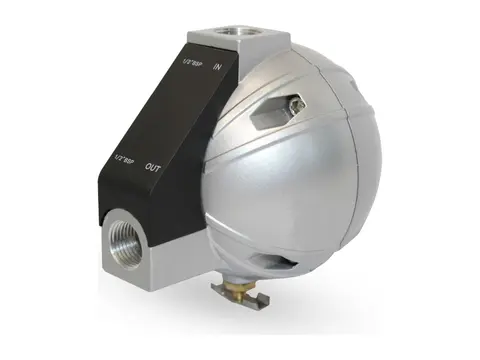
Mechanical Float Drain
Buoyancy-driven condensate removal with no power and no air loss.
View product -
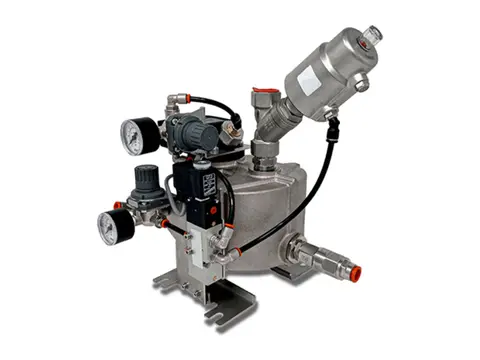
Vacuum Drain
Empties liquid from your vacuum system without breaking the vacuum.
View product
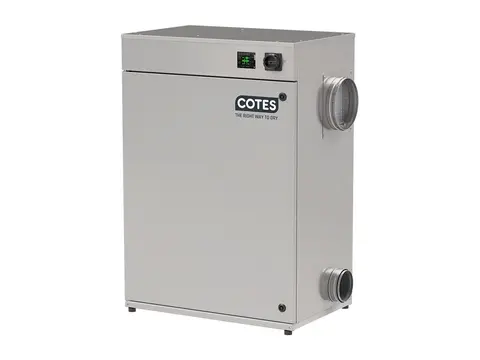
-
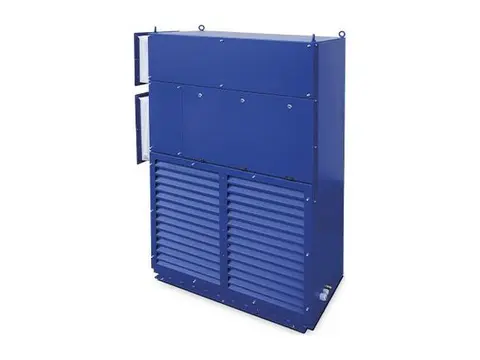
Crane Air Conditioner
Cool, clean cabins and electrical rooms for cranes working in extreme heat.
View product -
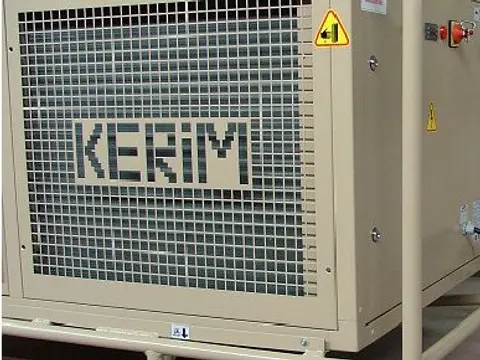
Tent Air Conditioner
Controlled climate for your tents, shelters and temporary structures.
View product -
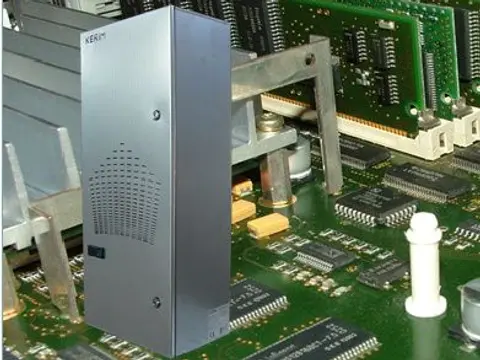
Panel Air Conditioner
Cool, clean, dry control panels, even in your hottest, dirtiest plant areas.
View product -
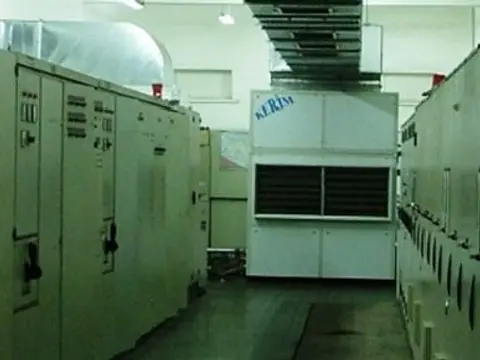
Air / Water Cooled Air Conditioner
Stable room temperatures for your electrical rooms in extreme plant heat.
View product
-
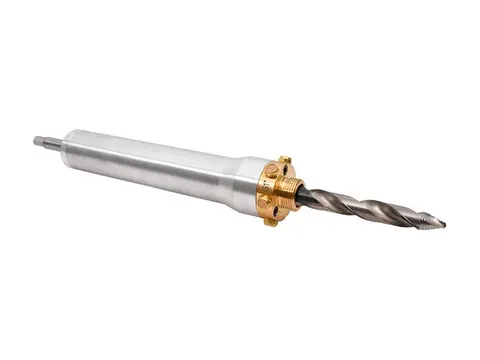
Hot Tapping
Add measurement ports to your live air lines without stopping production.
View product -
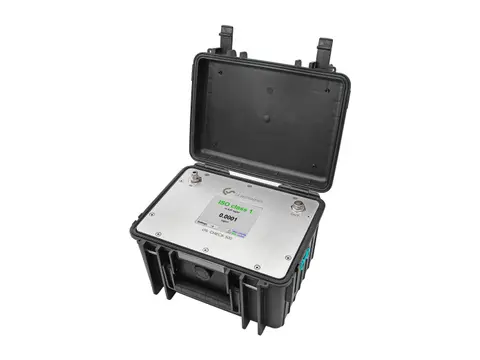
Compressed Air Quality Measurement
Prove your air's ISO 8573-1 purity: particles, oil and dew point.
View product -
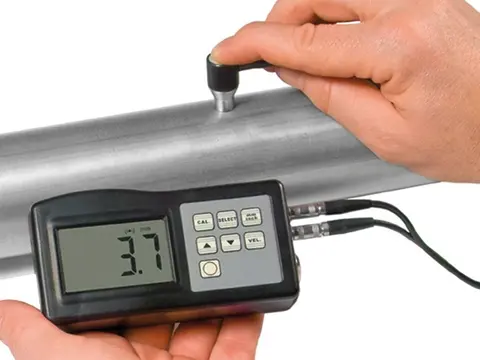
Digital Thickness Meter
Measure the metal left in your receivers and pipework, from the outside.
View product -
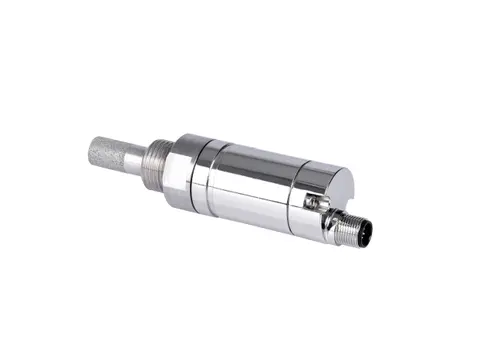
Dew Point Meter
Proof your air is dry, measured at line pressure.
View product -
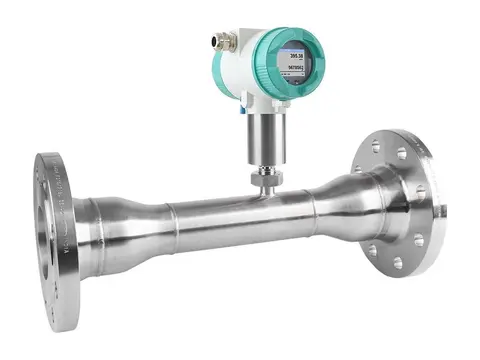
Flow Meter
True standard flow of your compressed air, whatever the line pressure.
View product -
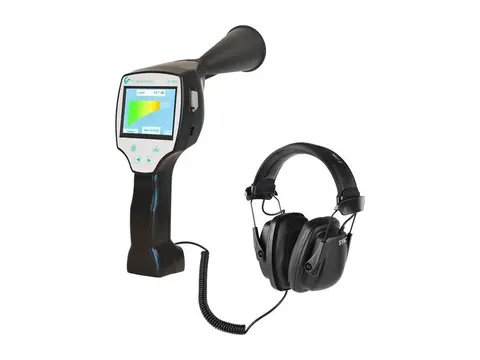
Leak Detector
Hear, locate and cost every compressed air leak in your plant.
View product -
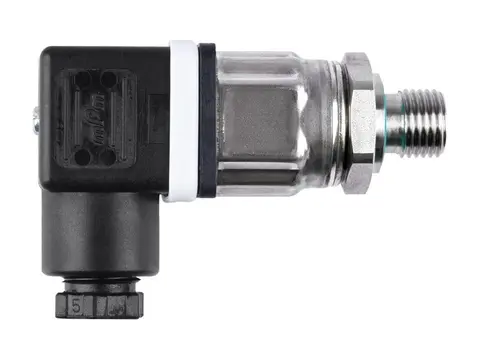
Pressure Sensor
Live pressure data from your compressor room to every point of use.
View product -
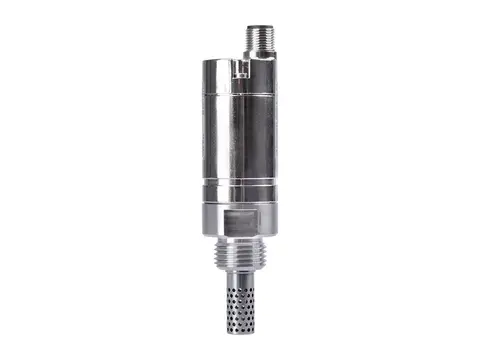
Humidity Meter
Humidity, temperature and dew point from one probe.
View product -
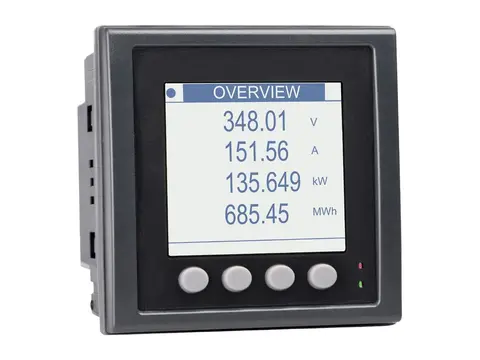
Power Meter
Measure the true power, energy and efficiency of your compressors.
View product
-
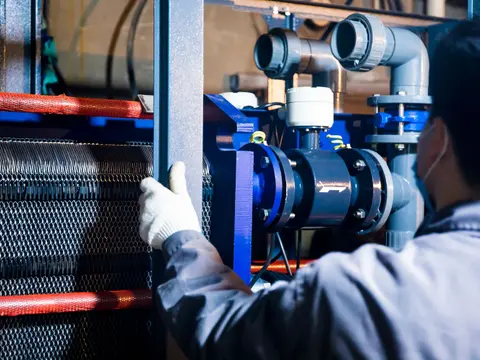
Health Testing of Compressed Air & Gas Dryers
Measured proof your dryer delivers its rated dew point.
View service -
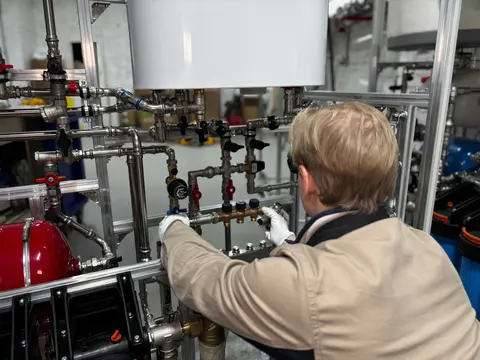
Commissioning and Service of Compressed Air & Gas Dryers
Verified dew point from first start-up through your dryer's service life.
View service -
Compressed Air Quality Testing
Measured, documented proof of your compressed air purity class.
View service -
Dew Point Measurement Testing
Verified pressure dew point at the points that matter in your network.
View service -
Compressed Air Flow Testing
Measured air demand, leakage and cost for your plant, not estimates.
View service -
Wall Thickness Testing
Know the remaining wall, corrosion rate and safe life of your equipment.
View service -
Sourcing
Spares, consumables and whole systems for your plant, sourced globally.
View service
