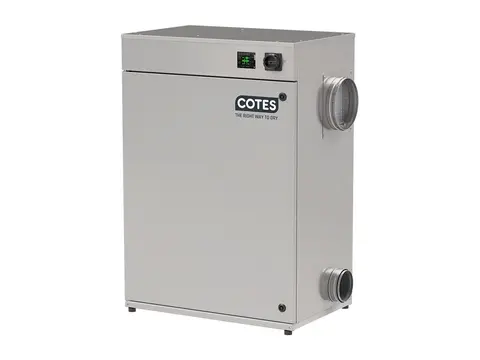
An adsorption dehumidifier dries air by passing it through a slowly rotating desiccant rotor, while a separate hot air stream, commonly heated to 100–140 °C, drives the collected water back out and carries it outdoors. When it works, the room stays dry. When it quietly loses capacity, the damage shows up in your products and assets: blasted steel flash-rusts within hours in humid air, powders cake and mould takes hold.
Most of the faults that reduce drying capacity do not stop the unit, so they go unnoticed without a routine. Here is what to look after, and how often.
Every month: filters and a simple log
Inspect the process and reactivation filters monthly and replace them at the pressure drop limit, typically every 3–6 months. A loaded filter reduces airflow through both the rotor and the heater, and low reactivation flow can overheat the heater and trip its safety limit. A torn filter lets dust into the rotor channels, where it builds up and cannot be removed by normal operation. Never run the process fan with the filters removed, even briefly.
Keep a monthly log of supply dew point, room humidity, reactivation temperatures and filter pressure drops. Gradual trends show filter loading, seal wear and loss of rotor capacity before your products or assets are affected.
Every 3 months: reactivation temperatures
Record the reactivation inlet and outlet temperatures at commissioning, then compare against those values every 3 months.
- A low inlet temperature points to a heater or heat supply fault that leaves the desiccant under-regenerated.
- A rising outlet temperature at the same inlet temperature means the rotor is removing less water.
Every 3–6 months: the rotor drive
Check the rotor drive belt or chain, its tension and the motor every 3–6 months. If the drive slips or stops, the segment in the process sector saturates and stops drying, while the segment in the reactivation sector overheats. The supply dew point then rises quickly with no other visible fault. Never stop the rotor drive while the reactivation heater is energised.
Every 6 months: ducts, coils and intakes
- Inspect the wet air exhaust duct, its insulation and its drain. Damaged insulation lets condensate form in the duct, and a blocked drain lets it run back to the rotor.
- Clean pre-cooling and post-cooling coils and their condensate trays, where fitted. A fouled coil raises the load on the rotor, and a blocked tray overflows and lets water reach it.
- Check weather hoods and bird screens. Blocked screens reduce airflow, and damaged hoods let rain into the intakes.
Every 12 months: rotor, heater, fans and sensors
- Inspect the rotor seals and replace worn ones. Worn seals let hot, humid reactivation air leak into the process air and let process air bypass the rotor.
- Inspect both rotor faces and clean them as the manufacturer permits, usually with a vacuum or low-pressure compressed air. High-pressure air or water used without approval can damage the honeycomb.
- Test the reactivation heater including elements, steam traps or burner, and its high-temperature safety cut-out.
- Service the fans, checking bearings, belts and impeller cleanliness. A slipping belt or dirty impeller reduces airflow without stopping the unit.
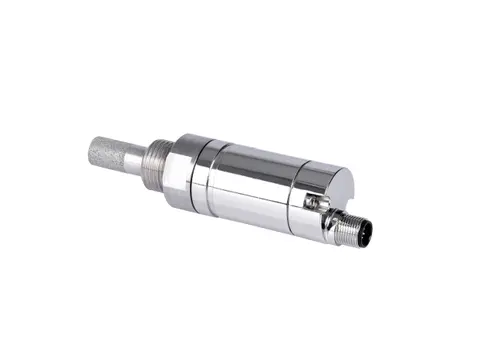
- Calibrate humidity and dew point sensors against a traceable reference. A drifting sensor can show a compliant reading while the room is too humid.
Protect the rotor from what it cannot recover from
Keep liquid water, including coil condensate, away from the rotor, and keep it clear of oil mist, solvent vapours, amines and chlorine compounds, which occupy adsorption sites permanently.
Talk to us
If your dried space is drifting out of specification, or you want a second opinion on your maintenance routine, speak with our engineers. We will help you find the cause and keep your dehumidifier doing its job.