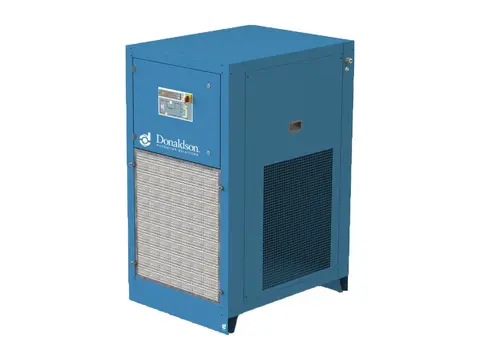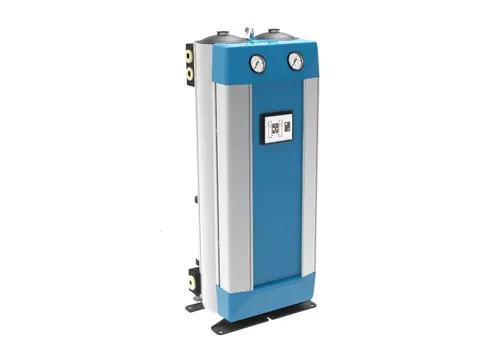
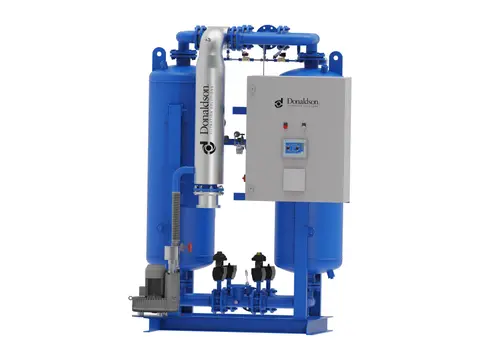
A heated desiccant dryer holds a deep, stable dew point because each tower is properly regenerated before it goes back into service. The regenerating tower is vented to atmospheric pressure, and a small flow of dried air is heated, typically to 150–200 °C for activated alumina, to drive the water out of the bed.
That cycle only works when the filters, heater, valves and desiccant are all in good order. The most costly failure is also the least visible: oil that reaches hot desiccant cokes and blocks its pores permanently. Here is what to look after, and how often.
Check the tower pressure gauges every shift
It takes seconds and tells you a great deal. The drying tower should read line pressure and the regenerating tower near zero. A regenerating tower that stays pressurised points to a blocked exhaust or a failed valve.
Check the drains every day
Check separator and filter drains daily and service them every 6–12 months. A failed drain floods the filter housing, and the liquid carried over adds more water than one heating phase can remove.
Record heating temperatures every month
During a heating phase, note the heater outlet and exhaust temperatures at least monthly.
- A heater outlet temperature below set point points to a failing element or a supply problem.
- An exhaust temperature that never rises at the end of heating shows the thermal front is not crossing the bed, so the bed returns to service partly loaded.
Keep these in a monthly log with dew point, differential pressures and tower pressures. Trends reveal heater degradation, desiccant ageing and filter loading before they cause a quality failure.
One thing never to do: shorten the cooling phase to gain capacity. A hot bed returning to service releases a temperature and dew point spike downstream.
Every 6 months: insulation and silencers
- Inspect the insulation on the towers, heater and hot purge piping. Missing insulation lets regeneration heat escape and exposes your staff to hot surfaces above EN ISO 13732-1 burn thresholds.
- Inspect the exhaust silencers and replace them annually or when blocked. A blocked silencer raises back pressure in the regenerating tower, reducing purge flow and the heat delivered to the bed.
Every 12 months: filters, heater and sensors
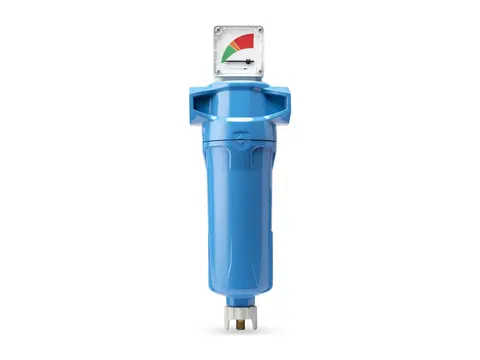
- Replace the coalescing pre-filter elements every 12 months, or at the manufacturer’s differential pressure limit. A saturated element passes oil aerosol, and on hot desiccant that oil cokes. Pre-filter neglect shortens desiccant life irreversibly.
- Replace the particulate after-filter elements every 12 months, or at the differential pressure limit. The element collects desiccant dust. A blocked one raises pressure drop, and every extra bar your compressor adds costs about 7 % more energy. A ruptured one releases abrasive dust into downstream valves and instruments.
- Test the heater for insulation resistance and check its electrical terminations. Moisture and thermal cycling degrade element insulation and loosen connections, and a loose terminal overheats.
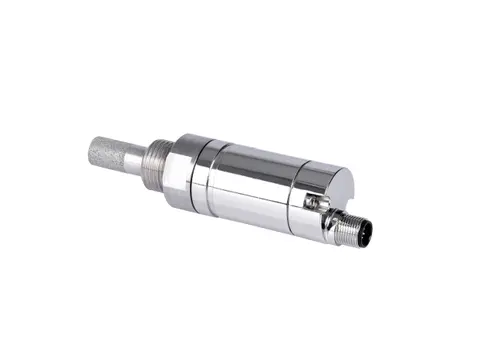
- Calibrate the dew point sensors against a traceable reference. Capacitive sensors drift, and can show a compliant reading while wet air reaches your process.
Every few years: valve seals and desiccant
- Replace valve seals every 2–4 years, using seals rated for regeneration temperature. Seals exposed to hot purge harden and crack. A leaking inlet seal lets wet air into the regenerating tower, and a leaking exhaust seal vents compressed air continuously.
- Replace the desiccant every 3–5 years, or when the outlet dew point rises under unchanged conditions. Replace both towers together, so they regenerate evenly.
Let our engineers take a look
Our dryer health testing measures what your dryer actually delivers under your plant’s real conditions, and how much compressed air and energy it uses to do so. Our commissioning and service team looks after the dryer and its filters, drains, bypass valves and dew point measurement point.